Answering the buyer’s search intent, this guide highlights hot weather sleeping bags ideal for summer camping, backpacking, and hiking. The top picks emphasize lightweight design, breathability, and weatherproof features for adults and occasional campers. The list is suitable for backpackers, family campers, and solo hikers seeking compact packs and reliable warmth in mild nights.
| Product | Best For |
|---|---|
| ECOOPRO Warm Weather Sleeping Bag (Emerald Green) | Backpacking and weekend trips |
| ECOOPRO Warm Weather Sleeping Bag (Black) | Rugged outdoor use and durability |
| ECOOPRO Warm Weather Sleeping Bag (Blue/Other) | Budget-conscious travelers |
| TANSTRIDER Ultralight Sleeping Bag | Long treks and ultralight packing |
| SOULOUT 3-4 Season Sleeping Bag | Versatile climate camping |
ECOOPRO Warm Weather Sleeping Bag – Emerald Green
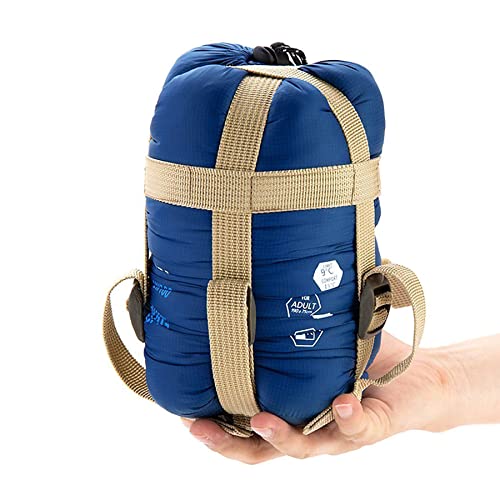
Best for backpackers who need a compact, waterproof bag that still offers comfort. Outer material is nylon for rain resistance and durability, with a breathable polyester lining. It maintains a comfortable sleep environment around 55–60°F using premium materials. The design prioritizes practicality with a smooth zipper and a generous 83″ by 30″ footprint for most adults, or two children.
Why selected: This model emphasizes a balance between weatherproofing and compact carry, making it a strong option for hikers who value simplicity and reliability in mild nights. The bag is easy to roll and compresses into a sack, achieving a compact height and light weight for backpacking use.
Caution: Not ideal for extreme cold or high-temperature conditions; best used for cool-to-mild nights where insulation suffices. The material choice prioritizes water resistance and breathability over extreme warmth.
ECOOPRO Warm Weather Sleeping Bag – Emerald Green, 86″ Length

This variant offers a longer footprint for taller users or those who prefer extra space. Outer nylon and a breathable lining provide waterproofing and comfort, with a similar temperature guidance around 55–60°F. It shares the same packability feature, compressing to a small height for light travel.
Who it’s best for: Taller campers who want additional length without sacrificing portability. It’s a solid pick for backpackers who value a roomy fit and consistent warmth in mild nights.
Limitation: The longer size adds a touch more weight than shorter options, which may matter on ultra-light treks.
ECOOPRO Warm Weather Sleeping Bag – Black

This version uses a slightly different outer material emphasis (TC cotton in the insulation) while keeping the same waterproof and weatherproof claim, along with the envelope-style roll into a compact sack. The measurements stay near 83″ by 30″, suitable for most adults and some kids sharing the space.
Best for: Campers who prefer a cotton-insulated feel and stable warmth in mild nights. The bag’s weatherproof design supports camping in variable late-spring to early-fall conditions.
Limitation: Cotton-based insulation may feel heavier or less compressible than other synthetic options in some setups, affecting pack weight and bulk.
TANSTRIDER Ultralight Sleeping Bag

Best for hikers who prioritize ultra-light weight and compact size. This bag weighs about 1.5 pounds and uses a durable nylon exterior with a breathable cotton lining. It handles temperatures 50–70°F, ideal for warm-weather adventures when every ounce counts. A two-way zipper enables options for pairing two bags or using as a blanket in hot conditions.
Why choose: The dual-function design adds versatility for unpredictable nights and varying temperatures during multi-day treks. It’s a clear pick for long-distance walkers who need a flexible solution.
Caution: The bag’s temperature range tops out in the warmest end of the spectrum; use a top layer if nights get cooler than expected.
SOULOUT 3-4 Season Sleeping Bag

Best for campers needing flexibility across a range of conditions. This bag emphasizes a water-resistant outer shell to stay dry in light rain, a soft interior for comfort, and substantial insulation to support all-season use. While marketed as a 3-4 season bag, its warmth is best for cooler nights rather than extreme heat.
Who it’s for: Families or solo travelers who want one bag that can handle a spectrum of nights from spring through fall. It’s a strong candidate for those who camp in variable weather or who use a single bag for multiple trips.
Limitation: In hot, humid summer nights, it may feel too warm unless opened or paired with cooling strategies, such as venting or pairing with a lighter top layer.
Buying Guide: Key Purchase Considerations
- Temperature rating and comfort: Look for a bag designed for mild nights (roughly 50–65°F) if hot-weather camping is your primary goal. Consider a two-piece system or a bag with a ventilation option for very warm nights.
- Weight and packability: For backpacking, prioritize ultralight materials and a compact compression sack. The ability to roll and compress without adding bulk matters on long treks.
- Material and weatherproofing: Nylon shells with waterproof coatings help in damp environments. Breathable linings prevent overheating and skin irritation on hot nights.
- Insulation type: Synthetic insulation is more stable in damp conditions and easier to dry than down. For hot weather, choose bags with lighter synthetic fills or 2-in-1 designs that can unzip into a blanket.
- Size and fit: Ensure length and width accommodate your height and shoulder width. Longer options add weight but provide more comfort for taller sleepers.
- Durability and maintenance: Look for durable shells and easy-care linings. Machine-washable options save time and keep the bag fresh after camping trips.
Frequently Asked Questions
- What temperature rating is best for hot-weather camping? Answer: A bag designed for 50–70°F nights is typically ideal for warm climates and summer camping, especially if paired with ventilation.
- Are ultralight bags suitable for mild nights? Answer: Yes, ultralight bags excel at packing efficiency and are comfortable for low to moderate temperatures, but check insulation levels for comfort.
- Is a two-in-one design better for variable weather? Answer: A two-in-one or zip-tair design can offer versatility by allowing a bag to function as a blanket in warm weather and a closed bag when nights cool.
- Should I pick synthetic or down for hot weather? Answer: Synthetic insulation resists moisture and dries quickly, making it practical for uncertain conditions, while down provides warmth with lighter weight in dry environments.
- How important is the bag’s length? Answer: Length determines comfort and fit. Taller users should choose longer bags to avoid restricted movement and cold spots at the feet.
- What is the best way to care for a sleeping bag after camping? Answer: Air dry completely, spot-clean stains, and store loosely in a breathable, large sack to preserve loft and extend life.