Answering the search intent for a lightweight, warm sleeping bag, this guide highlights compact options that balance warmth, packability, and value. These picks suit backpackers, hikers, and casual campers who want easy-to-carry, weather-ready sleep systems. The top five products below are chosen for portability, warmth range, and practical design.
| Product | Best For | Key Benefit |
|---|---|---|
| ECOOPRO Warm Weather Sleeping Bag (Adult) | Backpackers seeking ultralight gear | Compresses to 11″ x 1.7 lbs |
| ECOOPRO Warm Weather Sleeping Bag (B-Black) | Budget-conscious hikers | Waterproof, compact, breathable |
| Naturehike Lightweight Compact Sleeping Bag | Travelers needing ultra-lightcarry | 80.7″ x 33.5″ with low weight |
| SOULOUT 3-4 Season Sleeping Bag | Versatile all-season campers | All-season insulation for spring to autumn |
| MalloMe Sleeping Bags for Adults | Family-friendly or kids/teens | Year-round warmth with durable shell |
ECOOPRO Warm Weather Sleeping Bag (Adult)
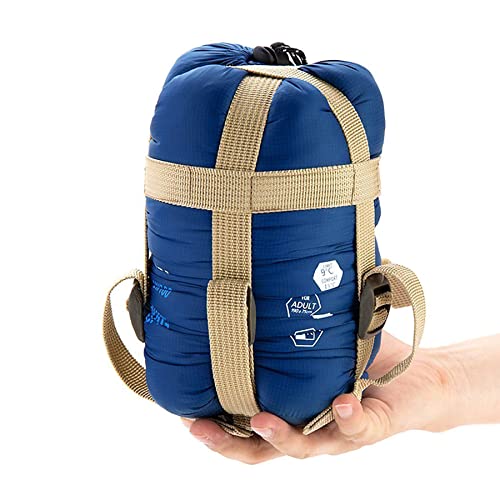
The ECOOPRO sleeping bag prioritizes lightweight design with durable outer Nylon and a breathable polyester lining. It targets warmth in the 55–60°F range, making it a solid choice for cool summer nights or mild shoulder-season trips. The envelope-style bag compresses down to about 11″ in height and 1.7 lbs, which is ideal for backpacking. The design is waterproof and weatherproof, with a smooth zip for easy use, and a size of 83″ long by 30″ wide, accommodating most adults. Best for backpackers who want a single, compact bag for varied summer-to-fall conditions. Caution: performance may vary in extreme cold; not intended for winter camping.
Who it’s best for: solo hikers or couples who prioritize packability over extreme cold protection. Choose this if you want a straightforward, compact bag for 55–60°F comfort ranges and light, dry-weather conditions.
ECOOPRO Warm Weather Sleeping Bag (B-Black)

This ECOOPRO model uses a TC cotton lining and a waterproof outer shell, maintaining warmth in the 55–60°F range with skin-friendly comfort. The bag mirrors the first ECOOPRO option in dimensions (83″ x 30″), and also compresses easily into a small carrying sack. It remains a strong pick for campers who want a budget-friendly option without sacrificing weather resistance. Caution: cotton lining can feel heavier than synthetic options in very damp environments.
Best for: budget-conscious campers who still want waterproof protection and easy packing. Better for dry, cool nights rather than extended wet-weather adventures.
Naturehike Lightweight Compact Sleeping Bag

Naturehike emphasizes ultra-lightweight and compact design, weighing about 1.68 lbs with a compressed volume around 5×12 inches. The bag measures 80.7″ by 33.5″ and uses a plush filling for comfort and warmth. Its portable design makes it a preferred pick for backpackers who want easy storage and quick setup. Caution: the 0.76 kg weight is user-friendly, but longer or taller sleepers should verify internal dimensions before purchase.
Best for: travelers who value minimal weight and easy carrying. Choose this if you want a roomy yet extremely compact bag for backpacking and travel.
SOULOUT 3-4 Season Sleeping Bag

SOULOUT designs aim for all-season versatility with thick insulation suitable for spring, fall, and cool summer nights. The bag is described as water-resistant with a soft interior, helping sleepers maintain comfort across fluctuating conditions. Best for campers who need a flexible bag for a wider temperature window. Caution: not specifically rated for extreme cold; may require an additional liner in very cool environments.
Best for: mixed-season camping where temperatures range widely. Choose this if you often camp across spring and fall when conditions vary.
MalloMe Sleeping Bags for Adults

MalloMe emphasizes year-round usability with a temperature range of approximately 50°F to 77°F. The outer shell is waterproof, and the bag is designed to fit adults up to about 6 feet tall. It comes with a compression sack and is described as lightweight for backpacking. Best for families or young campers who need durable, all-season sleep gear. Caution: outer materials may feel stiff in cool, damp conditions; confirm fit for taller users if needed.
Buying Guide: Key Considerations for Light Warm Sleeping Bags
- Warmth rating: Match the bag’s comfort temperature to the expected nights. For mild to cool seasons, 50–60°F comfort is common; for shoulder seasons, consider a bag rated to 40–50°F with a liner or layering options.
- Weight and pack size: Ultra-light bags compress small and weigh little, but verify actual packed dimensions to ensure it fits your pack and carry style.
- Material and fill: Synthetic fills dry faster and perform in damp conditions; cotton blends may feel heavier and slower to dry. Outer shells should be water-resistant or waterproof if you expect rain or dew.
- Size and fit: Ensure the length and width accommodate your height and sleeping posture. A bag that’s too tight reduces warmth and comfort.
- Durability and care: Check stitching and fabric care; many bags are machine washable, which can simplify maintenance for outdoor use.
- Compression and accessories: Look for a bag with a reliable compression sack and straps for easy storage and transport.
- All-season versatility: If you camp year-round, consider 3–4 season options with optional liners for added warmth in colder weather.
FAQs
- What is a good light sleeping bag for summer camping? A bag rated for around 55–60°F comfort with a compact design is ideal for warm-to-mild nights.
- Are synthetic sleeping bags better for damp environments? Yes, they perform better when wet and dry more quickly than down alternatives.
- How important is the packed size? Very important for ultralight backpackers; smaller packed size means less bulk in a day pack.
- Can I use a liner to extend warmth? Yes, a breathable liner can add extra warmth without significantly increasing weight.
- Is it okay to mix brands? Yes, many campers pair a lightweight bag with a compact liner or ground cover to tailor warmth and comfort.
- What should I consider for kids or family camping? Look for bags with wider neck and foot openings, plus lighter weights that children can manage easily.