When camping in chilly weather, a tent heater can extend your outdoor season by delivering steady warmth where you sleep. This guide showcases five compact, tent-friendly propane and electric heaters that are well-suited for inside-tent use (with adherence to safety guidelines). It helps hikers, RVers, and winter campers choose reliable heat sources that balance heat output, safety features, and portability.
| Product | Best For | Why It Stands Out |
|---|---|---|
| Mr. Heater 9,000 BTU Portable Buddy Radiant Propane Heater | Medium tents and small cabins | High heat options (4,000 or 9,000 BTU) with indoor/outdoor approval; heats up to ~225 sq ft |
| Portable Outdoor Heater, 9000 BTU, Gasfargo | Cold-weather camping and RVs | Self-ignition and low-oxygen shutoff; compatible with various refillable fuels |
| Portable Propane Heater for Camping, LOFUKI | Compact tents and small outdoor spaces | Durable, rust-resistant build; protective guards; easy portability |
| Mr. Heater MH9BX | Alpine or high-altitude setups | Auto-shutoff at tipping/low oxygen; up to 9,000 BTU; outdoor approved |
| Propane Heater 6200BTU, Gasfargo | Open-air setups and larger tents | Compact top flames with a safety guard; outdoor-use only; includes safety features |
Below is a closer look at each option, with clear guidance on who benefits most, plus safety reminders and practical limits to consider.
Mr. Heater 9,000 BTU Portable Buddy Radiant Propane Heater
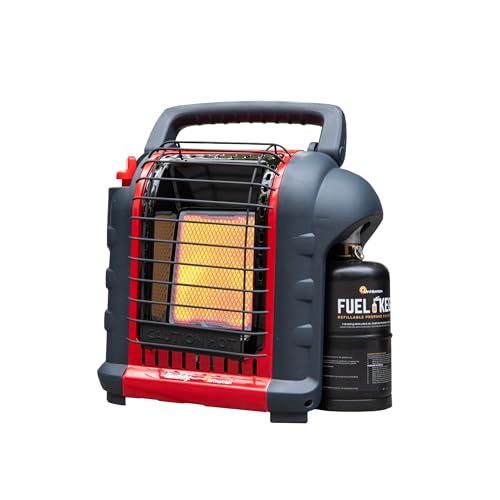
Best for campers needing adjustable heat in mid-sized tents or small cabins. This heater offers two heat settings—4,000 and 9,000 BTU per hour—allowing precise warmth as temperatures drop. It is designed and approved for indoor and outdoor use, making it a versatile option for tent setups with proper ventilation. The heater can raise ambient warmth in spaces up to about 225 square feet, which suits many 2–4 person tents. A key benefit is the option to conserve fuel by selecting the 4,000 BTU setting on milder evenings. Best for: campers who want flexibility and reliable heat with a compact footprint. Caution: ensure adequate ventilation to avoid buildup of combustion byproducts and always follow manufacturer’s safety guidelines.
Portable Outdoor Heater, 9000 BTU, Gasfargo

Best for open-tent setups or larger tent layouts where a higher heat output is advantageous. This model delivers 9,000 BTU to rapidly warm spaces and is equipped with self-ignition for quick starts. Its safety features include a low-oxygen shutoff and tip-over protection, making it a practical choice for campers who want strong heat without constant babysitting. It’s compatible with multiple refillable fuel sources (sold separately), offering flexibility if you already own fuel options. Choose this if you need quick warmth in drafty tents or during chilly nights. Caution: use outdoors or well-ventilated spaces; never operate in enclosed tents without proper ventilation and carbon monoxide monitoring.
Portable Propane Heater for Camping, LOFUKI

Best for compact tents and travelers seeking a lightweight option with robust safety features. LOFUKI emphasizes durability with rust-resistant materials and a sturdy reflector, designed to withstand wind and cold. The heater is described as portable and easy to carry, making it ideal for hikers, backpackers, or camper couples who want warmth on a budget of space. It includes protective mesh guards and a secure cylinder stand, supporting safer operation in tent environments. Caution: ensure proper tent ventilation and keep flammable items away from the heater; verify fuel compatibility and follow all setup instructions.
Mr. Heater MH9BX — Massachusetts/Canada Approved

Best for campers who need robust, safe heat with outdoor-approval and automatic safety features. The MH9BX offers a 4,000–9,000 BTU radiant heater suitable for spaces up to 225 square feet. It is nearly 100 percent efficient and designed for outdoor use, with auto shut-off if tipped, pilot light goes out, or oxygen levels drop. Altitude considerations are noted, as performance may vary at elevations over 7,000 feet. Choose this if your trips include high-altitude or exposed environments where dependable shutoffs enhance safety. Caution: ensure adequate ventilation and never use in enclosed, poorly ventilated spaces without proper airflow monitoring.
Amazon Basics Ceramic Portable Mini Space Heater

Best for small, light travel tents or as a supplementary indoor heat source inside a larger camping setup. This compact 500W ceramic heater is designed for desks or small spots, with tip-over protection and a lightweight form. While not designed to heat an entire tent, it provides quick warmth for a personal space or a sleeping area within the tent. Caution: limited heating capacity means it may not be sufficient for larger tents in very cold conditions.
Propane Heater 6200BTU, Gasfargo

Best for open-air or larger tent configurations where a continuous heat source is desired without overpowering small spaces. This 6,200 BTU propane heater is designed for outdoor use with a top radiant flame and includes a USB lighter and cylinder stand for easier operation. It emphasizes safety features to prevent accidental ignition of nearby materials. Choose this if you want a compact, higher-output option for bigger tents or sheltered camping areas. Caution: not intended for fully enclosed tent interiors; ensure ample ventilation and monitor for gas leaks prior to use.
Buying Guide
What tent size and layout should guide my heater choice?
Smaller tents (2–3 person) fare well with 4,000–6,000 BTU units. Larger tents or cabins may benefit from 9,000 BTU options, but always ensure ventilation and avoid overheating the space.
Which safety features matter most for indoor tent use?
Look for auto shut-off when tipped, low oxygen detection, and a stable cylinder stand. Mesh guards and heat shields reduce the risk of direct contact with flammable materials.
What fuel type should I choose?
Propane is common for camping heaters due to availability and portability. Some models support multiple fuel sources, offering flexibility. Remember to store fuel safely and ventilate adequately when in use.
Can I use these heaters in enclosed tents?
Indoor-safe operation requires excellent ventilation, CO detectors, and adherence to manufacturer guidelines. Many models are approved for indoor use, but always confirm ventilation needs and never leave heaters unattended while sleeping.
What are practical trade-offs between heat output and fuel efficiency?
Higher BTU settings heat spaces faster but consume fuel more quickly. Use the minimum BTU setting required to maintain comfort, and switch off when you’re asleep or leaving the tent for extended periods.
FAQ
- Is it safe to heat a tent with a propane heater? Yes, when you follow the manufacturer’s ventilation guidelines, keep the heater on a stable surface, and use CO detectors.
- What size tent can a 9,000 BTU heater warm? Typical 9,000 BTU units can warm many tents up to about 225 square feet, depending on insulation and airflow.
- Do these heaters require electricity? Some have self-ignition or USB lighters and do not require electricity, while others may operate with power for ignition or accessories. Check each model’s specs.
- Can I use any fuel canister with these heaters? Not always. Some models are compatible with multiple fuel sources; others require specific propane cylinders. Always follow fuel compatibility.
- What maintenance is necessary? Regularly check for gas leaks, ensure vents are clear, and store fuel safely away from heat sources.
- Is a tent heater loud? Many compact units are designed for quiet operation at around 40–50 dB; noise varies by model and setting.
For safe, effective warmth on cold camping nights, pick a heater that matches your tent size, ventilation capacity, and planned usage. Each option above balances heat output with portability and built-in safety features to help you stay comfortable while enjoying the outdoors.