When shopping for a sleeping bag designed to handle extreme cold, you want gear that maximizes warmth, minimizes cold spots, and fits your height and preferred sleeping style. The following five bags are selected for their cold-weather features, insulation strategies, and practical design for tall or wide sleepers. This guide helps travelers decide which bag is best for winter camping, hunting, or high-altitude trips in freezing temps.
Quick comparison
- HiZYNICE Sleeping Bags for Adults — Best for extreme cold tolerance in a large, tall frame.
- Coleman Heritage Big & Tall 10°F Flannel Sleeping Bag — Best overall for tall adults seeking reliable warmth and machine washable convenience.
- Teton 0F Degree Deer Hunter Sleeping Bag — Best for rugged use and long-lasting construction in deep cold.
- TANSTRIDER Cotton Flannel XXL Winter Sleeping Bag — Best for wide bodies needing extra space and moisture protection.
- FARLAND Sleeping Bag for Adults — Best for intermediate cold with fleece-lined interior and windproof shell.
Notes: These selections emphasize cold-weather capability, sizing for taller individuals, comfort features like lining materials, and practical build quality. They are evaluated for purity of winter performance, not for extreme sub-zero testing claims unless explicitly stated in the features provided.
HiZYNICE Sleeping Bags for Adults Cold Weather Zero Degree XXL

Best for tall adults who need a large, warm bag with easy access. The soft cotton flannel lining provides a comfortable feel, and the bag is designed for camp use across three seasons with a draft tube along the zipper to minimize heat loss.
Why chosen: The XXL size (90″ x 39″) accommodates campers up to 6’7″ and side sleepers who want more space. The interior lining and draft protection are practical for cold nights and flexible ventilation.
Who it’s best for: Tall individuals who want extra shoulder and hip room, and campers who prioritize a roomy sleeping area with reliable warmth.
Limitations: Temperature ratings include a comfort and limit range that dips to around 0°F, but users should verify insulation performance in extremely dry or windy conditions, as external factors affect warmth.
Coleman Heritage Big & Tall 10°F Flannel Sleeping Bag
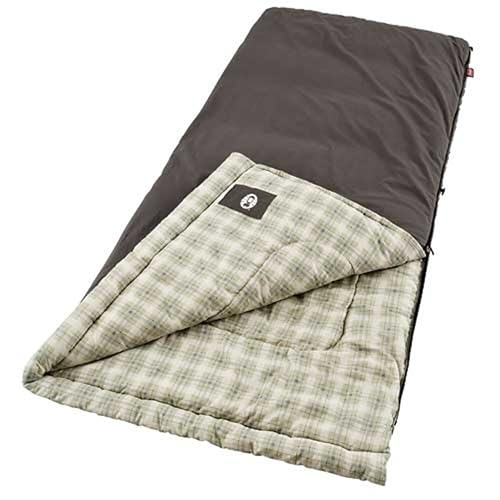
Best for tall adults who want a dependable cold-weather bag with easy-care features. The bag uses Holofill 808 insulation to help retain warmth in colder nights, and its no-snag zipper and FiberLock help maintain insulation integrity.
Why chosen: Its 40″x84″ size fits taller campers up to about 6’7″ and its 10°F rating positions it as a reliable cold-stage option for winter trips and hunting camps.
Who it’s best for: Campers who value machine washable convenience and a robust, tall-friendly profile in winter conditions.
Limitations: The 40″ width may feel snug for broader shoulders; consider a larger cut if you require extra shoulder space.
Teton 0F Degree Deer Hunter Sleeping Bag

Best for rugged outdoor use where extreme cold protection is a priority. This bag uses a tough canvas shell with fiber fill and a half-circle mummy hood to trap warmth efficiently.
Why chosen: The design emphasizes warmth in extreme cold and features two-layer construction with draft tubes to minimize heat loss, making it suitable for cold mountain nights.
Who it’s best for: Hunters and hikers who require durable shell materials and a dependable warmth source in sub-freezing conditions.
Limitations: Canvas shell adds weight and may reduce packability compared to lighter fabrics; consider backpacking weight if you prioritize ultralight gear.
TANSTRIDER Cotton Flannel XXL Winter Sleeping Bag

Best for extra-wide frames and moisture protection in winter camping. It blends an oversized 90.5 x 39.4 inches layout with waterproof outer shielding to resist moisture and keep the interior warm.
Why chosen: The XXL rectangular design is favorable for side sleepers who need freedom to move, and the 30-40°F comfort range offers practical use in moderate winter conditions with a robust outer shell.
Who it’s best for: Large-build campers who want space to stretch out and need reliable waterproofing in damp winter environments.
Limitations: The comfort range indicates a warmer daytime temperature; in bitterly cold nights, layering socks and a liner can help bridge the gap to colder temps.
FARLAND Sleeping Bag for Adults

Best for versatile winter use with fleece-lined interior and a waterproof windproof outer. The bag targets warmth from 32°F up to 50°F comfort, with strong insulation to handle cooler nights.
Why chosen: The fleece lining contributes to comfort in cold weather, and the windproof shell helps reduce heat loss in breezy campsites, making it a practical mid-range option for winter outings.
Who it’s best for: Campers who want a balance of warmth, weather protection, and affordable option with fleece comfort for cold-weather trips.
Limitations: This bag may not sustain extreme sub-zero conditions; it is best used in 30-50°F comfort ranges with additional layering when wind is strong or temperatures dip further.
Buying Guide
Choosing the right cold-weather sleeping bag involves matching your camping conditions with bag features. Here are key considerations to guide your decision.
What temperature rating matters most?
Look at the comfort and limit ratings to gauge how cold it can feel while you sleep. In general, the comfort rating is the temperature at which most people feel comfortable, while the limit rating indicates the minimum temperature at which you may still feel warm with proper layering.
Is size important for you?
Tall or broad sleepers need extra length or width. Bags labeled “Big & Tall” or XXL are designed to accommodate larger frames, improving comfort and reducing the feeling of confinement at night.
What materials affect warmth and durability?
- Insulation type (synthetic vs. down) and weight determine warmth-to-packability.
- Lining fabrics (fleece, flannel, or smooth nylon) affect comfort and moisture management.
- Outer shell materials (canvas, nylon, polyester) influence wind resistance and durability.
How important is the shape?
Rectangular (car-type) bags offer more space for movement, while mummy shapes trap heat more efficiently. For maximum warmth in cold weather, consider bags with draft tubes and well-sealed zippers.
How portable should it be?
Weight and packing size matter if you hike or backpack. Bags with compression sacks and lightweight insulation are preferable for mobile winter trips.
How to care for your sleeping bag?
Check washing instructions. Machine-washable bags simplify upkeep, especially for large sizes. Proper drying prevents insulation clumping and odours.
Practical decision tips
- Choose HiZYNICE or TETON for colder nights with tall or large frames and need reliable warmth.
- Choose Coleman Heritage if you want a tall-friendly bag with easy-care and strong insulation in near-freezing conditions.
- Choose TANSTRIDER for extra space and durability in moderately cold environments or damp locales.
- Choose FARLAND for a balance of warmth and wind protection at a mid-range price.
FAQ
- What temperature rating should a bag have for extreme cold camping?
- Are XXL sleeping bags significantly heavier?
- Is a fleece lining better than a cotton lining?
- Should I buy a bag with a draft tube?
- What is the advantage of a mummy shape in winter?
- Is synthetic insulation as warm as down in cold weather?
Look for bags rated for at least 0°F or lower as a baseline if you expect sub-freezing nights, and consider layering and a quality sleeping pad for extra warmth.
Generally, larger bags may weigh more due to extra material, but many designs optimize weight for their size class. Check the product specs for exact weights.
Fleece or synthetic linings typically offer better warmth-to-weight and moisture management than cotton, especially in damp or sweaty conditions.
Yes. Draft tubes along zippers help prevent heat from escaping and improve warmth in cold environments.
Mummy bags trap heat more efficiently, which is advantageous in very cold conditions, but they can limit movement compared to rectangular bags.
Synthetic insulation performs better when wet and is generally more affordable. Down offers higher warmth-to-weight but can be less forgiving if damp.