If you’re shopping for a compact, lightweight sleeping bag, you want options that balance warmth, packability, and durability. This guide highlights five 1 lb class sleeping bags that fit adults and small travelers. It helps hikers, backpackers, and campers choose bags that stay warm enough for three-season use while weighing as little as possible. Each section explains who the bag is best for, why it’s a strong pick, and a practical caveat to consider before buying. A quick comparison table is provided to help you compare core specs at a glance.
| Product | Best For | Key Benefit | Limitation |
|---|---|---|---|
| ECOOPRO Warm Weather Sleeping Bag | Backpacking light users and warm-climate campers | Waterproof outer, compact roll-down to 11″ high | May be too warm in hot nights |
| Naturehike Lightweight Compact Sleeping Bag | Travelers and casual backpackers | Ultra-lightweight and roomy for adults | Low-temperature rating not specified beyond warm weather |
| iClimb 3M Thinsulate Sleeping Bag | All-season hikers wanting warmth | 3M Thinsulate insulation with draft collar | Moderate warmth; not a true winter bag |
| ECOOPRO Portable Sleeping Bag | Backpacking and family trips | Strong warmth retention and compact when packed | Similar caveats to ECOOPRO Warm Weather bag |
| NewDoar Ultralight Backpacking Sleeping Bag | Couples or shared sleeping setups | 2-way zipper converts to a double or blanket | Medium fit; may be tight for taller users |
ECOOPRO Warm Weather Sleeping Bag
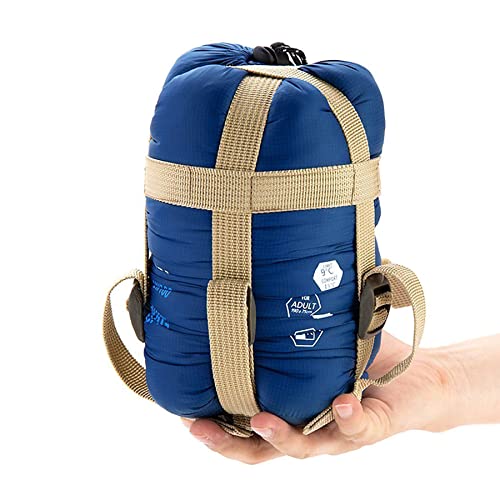
Best for warm-weather backpacking and casual camping, this ECOOPRO bag uses a waterproof nylon shell and a breathable polyester lining. It is designed to keep temperature comfort around 55–60℉, which suits temperate nights. The bag measures 83 inches long and 30 inches wide, accommodating most adults. It compresses down to about 11 inches tall and 1.7 pounds, making it an appealing option for ultralight packs. The smooth zipper adds convenience, and the exterior resilience helps in damp environments.
Who it’s for: hikers who want a true envelope-style bag that won’t absorb water easily and who value compact packing. It’s also suitable for two children or one adult who travels light. Best for travelers who prioritize ease of rolling and quick setup in moderate climates.
Limitations: for very cold nights, this bag’s warmth limit may require layering or a liner. It’s optimized for mild conditions rather than harsh cold. Consider a supplemental pad or liner if you camp in low temps.
Naturehike Lightweight Compact Sleeping Bag

Naturehike focuses on ultralight portability without sacrificing space. Weighing roughly 1.68 pounds and packing compactly, this bag is ideal for travelers who want to minimize weight while staying comfortable. Its roomy dimensions (around 80.7 inches by 33.5 inches) help adults move freely inside. The bag uses a premium fill and a compact carrying sack, making it easy to stash after a full day of hiking or trekking. It’s well suited for backpacking and travel in mild to moderate conditions.
Who it’s for: backpackers who need a breathable, space-saving option and travelers who pack light for warm to cool nights. It’s especially suitable for those who value a plush interior for added comfort during multi-day trips.
Limitations: the product description emphasizes warmth without a precise lower temperature rating. If you expect chilly nights, pair it with additional layering or a warmer bag for safety.
iClimb 3M Thinsulate Sleeping Bag
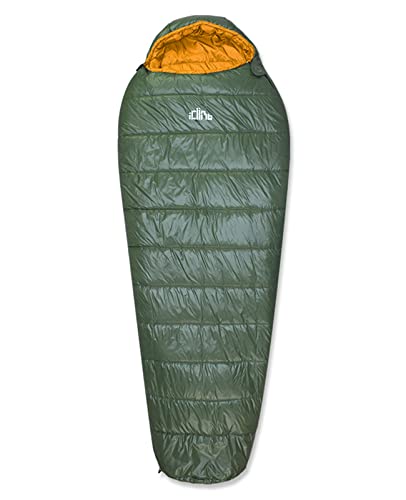
This bag uses 3M Thinsulate insulation to trap body heat while allowing excess moisture to escape. It combines a featherless, eco-friendly design with water resistance thanks to a 100% polyester exterior. The 20D nylon interior feels soft against the skin and is durable enough for outdoor use. A 3D footbox and draft collar help minimize heat loss, and a two-layer construction reduces cold spots. Temperature guidance lists a comfort around 41℉ (5℃) and a limit at 32℉ (0℃), positioning it as a versatile choice for three-season use.
Who it’s for: hikers who want reliable warmth without bulk and who appreciate a specialized footbox and draft protection. It’s better for shoulder-season use than extreme cold nights.
Limitations: the insulation is synthetic, which can be bulkier than high-end down in some climates. Check layering options if temperatures approach the limit.
ECOOPRO Portable Sleeping Bag
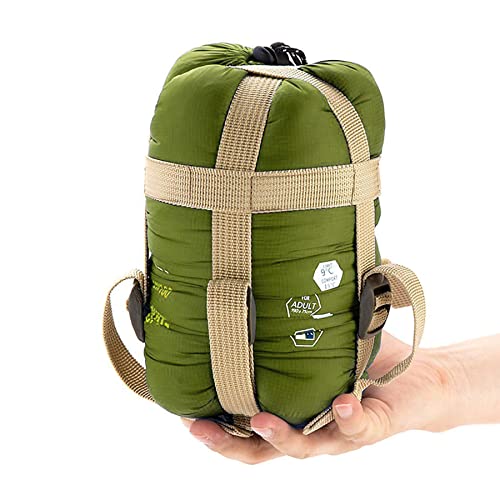
This ECOOPRO bag mirrors the warm-weather design with an outer nylon shell that is waterproof and a breathable polyester lining. It fits most people at 83 inches long and 30 inches wide, and it can be rolled into a compact carry sack. Weighing light for easy transport, it is ideal for backpacking enthusiasts seeking a dependable envelope-style bag. The warmth rating and construction align with its compact profile, making it a practical choice for light trips in moderate climates.
Who it’s for: campers who want a simple, weather-resistant bag that packs down small and is easy to carry on long days of hiking. It’s a good match for those who value a straightforward setup and lower pack weight.
Limitations: similar to other ECOOPRO options, it’s designed for mild nights. For colder evenings, plan on layering or choosing a warmer bag.
NewDoar Ultralight Backpacking Sleeping Bag
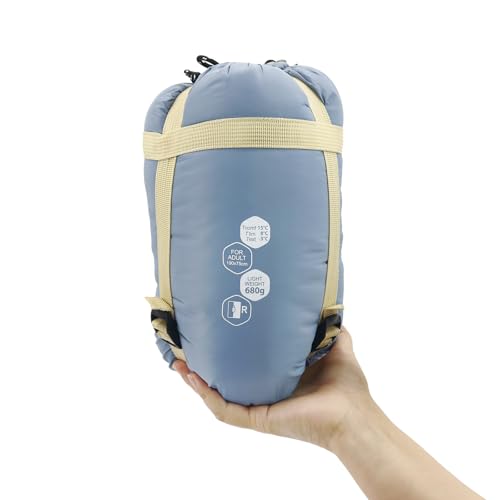
NewDoar emphasizes ultra-light performance with a 1.5-pound weight and packing down to a small 11.8 by 6.5 inches. It uses a 380T ripstop nylon shell and a breathable lining to regulate temperature across three seasons. A notable feature is the 2-way zipper system that enables linking two bags into a double or fully unzipping into a blanket for warmer nights. This bag suits solo hikers who want flexibility and easy machine washing.
Who it’s for: solo travelers who may share a night with a partner in warm months, or anyone who wants a fitness-friendly, compact option with easy care. It’s also suitable for families needing a lightweight option for quick trips.
Limitations: taller users may prefer a longer version, as the medium-fit sizing can be restrictive for someone well over average height.
Buying Guide: Key Considerations For 1 Lb Sleeping Bags
- Weight vs. warmth: Lighter bags trade off insulation and temperature rating. Choose based on expected nightly lows and your layering strategy.
- Shell and liner materials: Waterproof shells protect against moisture; breathable linings improve comfort and reduce overheating.
- Size and fit: Ensure length and width accommodate your height and sleeping position. Consider bags that offer extra room without adding bulk.
- Packability: Look for bags that compress to small dimensions with a reliable stuff sack and straps for easy attachment to a backpack.
- Temperature range: Identify comfort and limit temperatures to plan for three-season use. If you often camp in damp or windy environments, consider additional wind and moisture protection.
FAQ
- Q: Are 1 lb sleeping bags suitable for all seasons? A: They are best for three-season use or mild climates. For cold nights, layer with a liner or use a warmer bag.
- Q: Do these bags include storage compression sacks? A: Yes, most listed options come with a compression sack or similar packing method.
- Q: Can two sleeping bags be zipped together? A: Some models, like NewDoar, feature a 2-way zipper that enables linking for a double bag or blanket setup.
- Q: Are these sleeping bags machine washable? A: Several models advertise machine-washable shells or linings; always follow product care instructions.
- Q: What should I consider for water resistance? A: A waterproof or water-resistant outer shell helps in damp campsites; pair with a waterproof groundsheet for extra protection.