Looking for a warm, compact sleeping bag that travels light? This guide highlights five practical options ideal for backpackers, hikers, and campers who value warmth, portability, and ease of use. Each pick emphasizes compactness, weather resistance, and comfort, with clear notes on who benefits most and any limitations to consider.
Summary of selected products:
| Product | Best For | Notes |
|---|---|---|
| ECOOPRO Warm Weather Sleeping Bag (Orange) | Backpackers and solo campers who need a compact, dry setup | Lightweight, packs down to 11″ high; fits adults |
| SOULOUT 3-4 Season Sleeping Bag | All-season campers and families | Water-resistant shell; insulation for varied climates |
| JEAOUIA Sleeping Bag (Navy) | Budget-conscious campers with room to spare | Three-season use; hood drawstring for warmth |
| ECOOPRO Portable, Waterproof Sleeping Bag (Orange) | Hikers who value ultracompact carry | Similar design to ECOOPRO with emphasis on portability |
| TETON Sports Trailhead 20° | Lightweight backpackers needing reliable warmth | Compact mummy style with hood and draft tube |
ECOOPRO Warm Weather Sleeping Bag – Orange
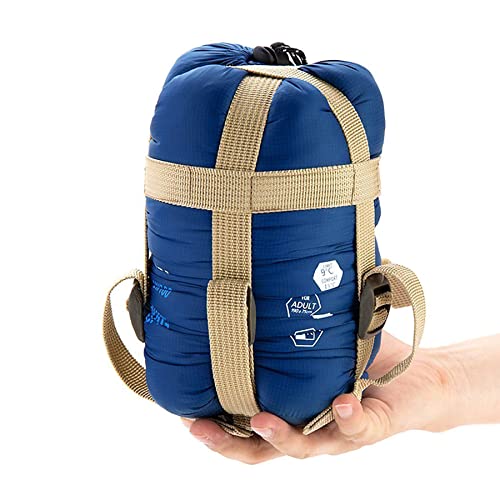
The ECOOPRO warm weather bag uses a nylon outer shell with a 100% polyester lining, designed to keep warmth around 55–60℉. It folds into a compact 11″ height and weighs about 1.7 lbs, making it ideal for backpackers who prioritize packability. The smooth zipper and weatherproof build support occasional rain or damp conditions. Best for: solo campers or adults seeking a lightweight, all-night sleep solution in mild to moderate temps. Caution: not intended for extreme winter use, as insulation targets warmer nights.
SOULOUT 3-4 Season Sleeping Bag

This bag targets all-season use with a water-resistant outer shell and a soft, skin-friendly interior. Thick insulation supports warmth across variable climates, making it versatile for spring, fall, and cool summer nights. Best for: families or mixed-weather trips where one bag covers multiple seasons. Limitation: bulkier than single-season models, which may impact ultra-light packing goals.
JEAOUIA Sleeping Bags for Adults

JEAOUIA offers a roomy, budget-friendly option with 3-season use (50℉–68℉ comfort range). Features include a hood drawstring and a foot zipper for airflow adjustment. Best for: budget-conscious campers who want a practical, adaptable bag for casual trips. Caution: outer fabric and fill quality may vary by batch; verify fit and stitching if planning frequent use.
ECOOPRO Portable, Waterproof Sleeping Bag
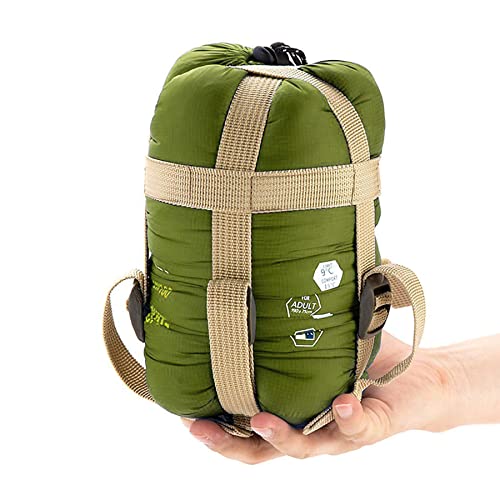
This ECOOPRO model emphasizes ultracompact carry and waterproof performance. Outer nylon shell and breathable lining are designed to retain warmth in mild-to-cool nights, with a similar 83″ x 30″ size and light weight. Best for: backpackers who value compact storage and rugged weather resistance. Limitation: not designed for extreme cold; pair with insulated layers in colder environments.
TETON Sports Trailhead 20 Degree

This mummy-style bag emphasizes warmth with a draft tube around the zipper and a vaulted footbox. It’s light enough for backpacking yet designed for reliable warmth up to around 20 degrees. Best for: hikers who want a compact, seasonally flexible bag with a hooded design. Caution: snug fit around the shoulders may feel tight for broader frames; consider sizing before purchase.
Buying Guide: How To Choose A Warm Compact Sleeping Bag
What warmth rating do you need? For three-season use, target bags rated 30–50℉; for cool nights, aim for 20–40℉. Consider your typical camping climate and how often you’ll encounter cold snaps.
How compact should it be? Look for roll-up dimensions and weight in pounds. A bag that compresses into a small stuff sack saves space in a backpack, but verify it still accommodates your height and girth.
What materials matter? Outer shells labeled nylon are typically waterproof and durable; inner linings like polyester or pongee affect comfort and breathability. Insulation type (synthetic vs. down) influences warmth, weight, and wet-weather performance.
Is it weather-ready? Water resistance and windproofing are essential for unpredictable conditions. A hood, draft tubes, and a two-zip design can improve warmth and airflow control.
Who is it for? Consider the use case: solo backpacking demands light weight and compactness; family trips may favor all-season versatility; casual campers might prioritize budget-friendly options with easy maintenance.
Quick comparison
- Best for ultralight backpackers: ECOOPRO Warm Weather Sleeping Bag (Orange) and ECOOPRO Portable Sleeping Bag
- Better for all-season use: SOULOUT 3-4 Season Sleeping Bag
- Choose this if you want budget-friendly warmth: JEAOUIA Sleeping Bag
- Best value for flexible uses: TETON Sports Trailhead 20 Degree
Frequently Asked Questions
- What temperature rating is ideal for general camping? For three-season use, aim for around 40–60℉ comfort range, depending on your comfort with cold nights.
- Are synthetic sleeping bags heavier than down? Yes, typically, but they perform better when wet and dry faster, making them suitable for damp environments.
- Should I choose a mummy or rectangular bag? Mummy bags heat more efficiently and conserve space; rectangular bags offer more room to move, which can affect warmth and packability.
- How important is a compression sack? A compression sack reduces bulk in a backpack, but it can add extra time when packing or unpacking.
- Can I use a 3-season bag in winter? If temps dip below the rating, add insulation layers like a liner, blanket, or sleeping pad with higher R-value.
- Do sleeping bags require special care? Follow washing instructions for the shell and lining; avoid high heat when drying and store loosely to preserve loft.