Looking for affordable down sleeping bags that still offer warmth, compact packing, and reliable quality? This guide highlights five cost-conscious options well suited for casual backpackers, weekend campers, and budget travelers who prioritize warmth-to-weight without breaking the bank. Each pick is evaluated for who it’s best for, key strengths, and a practical caveat to consider before purchasing. Use the comparison table below to quickly compare core specs and target use cases.
| Product | Best For | Temperature Range | Weight |
|---|---|---|---|
| Kelty Cosmic 20 | Trail-first backpackers | Around 20°F | Lightweight |
| QEZER Down Mummy | Budget hikers | 41°F–54°F (comfortable) | Mid-weight |
| ShinHye YR500 | Ultra-light travelers | 40°F–59°F (comfort) | Very light |
| HLITMOUT Down Sleeping Bag | Value-conscious trekkers | 32°F–45°F (comfort) | Compact |
| ZOOOBELIVES Alplive T400 | Backpacking stowaways | 32°F–50°F | Ultra-compact |
Kelty Cosmic 20 Down Mummy Sleeping Bag

This bag uses 550-fill power down in a compact mummy shape, designed for backpacking comfort. It features PFAS-free DWR-treated recycled shell and liner fabrics, aligning with sustainable choices. The down is ethically sourced and traceable via RDS, which helps buyers confirm the supply chain. Best for campers who want a reliable, modestly priced bag without sacrificing core warmth and packability. A potential limitation is that its 20°F target is best for cool to cold nights; extremely frigid conditions may require layering or a warmer model.
QEZER Down Mummy Sleeping Bag
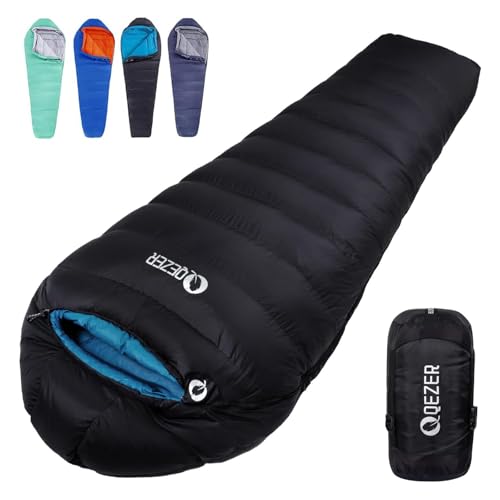
QEZER’s bag is a lightweight, compact option filled with 600-fill-power duck down. It emphasizes warmth retention and a comfortable temperature range of roughly 41°F–54°F, with an extreme rating down to 28°F. This makes it a solid pick for spring, summer, and early fall camping or for hikers who prioritize a lower price while still accepting moderate cold performance. Choose this if you want a budget-friendly, packable bag with consistent warmth, but be aware that it may require layering in cooler nights.
ShinHye Ultralight Down Sleeping Bag YR500

The ShinHye YR500 is a notably lightweight option with a 79″ x 31.5″ sleeping area and a compact pack size. It uses 0.88–1.76 pounds of down to offer broad temperature coverage for 40°F–59°F (comfort) and down to 20°F for extreme use, depending on model. A practical feature is the two-way zipper with a neck guard and the ability to link two bags for a shared sleep space. It’s best for travelers who need minimal weight and space, but note the more aggressive temp ranges require careful layering for colder nights.
HLITMOUT Down Sleeping Bag with Pillow

This HLITMOUT model packs a lot of features into a compact, budget-conscious bag. It includes a built-in pillow and a dual-temperature design, with 32°F–45°F comfort and down to around 20°F in higher-fill variants. It also offers a two-way zipper and side pockets to store small items. Best for value seekers who want a multipurpose bag for three-season use, but the lower 20°F extreme rating may be limiting in truly winter environments.
ZOOOBELIVES Alplive T400 Ultralight Bag
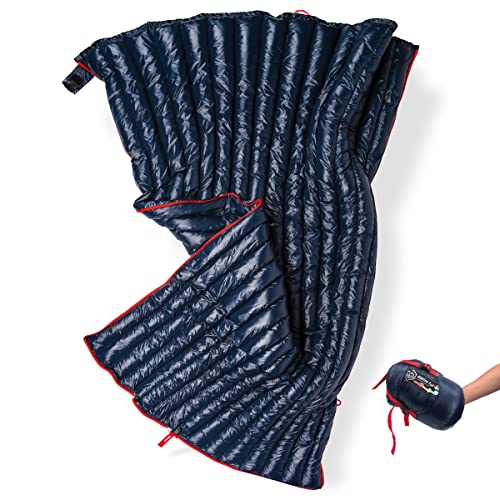
The ZOOOBELIVES Alplive T400 is designed for ultra-light backpacking, delivering a 32°F–50°F comfort window at a light weight of about 1.7 pounds. It packs down very small, making it ideal for minimalists or travelers who must save every ounce. A notable advantage is the ability to zip two bags together for a double sleeping arrangement. The caveat is that extreme cold performance is limited, so use in mild three-season conditions or plan for additional layering in cooler nights.
Buying Guide: Key Considerations for Cheap Down Sleeping Bags
- Temperature rating and comfort zone: Match the bag’s rated temperature to the climate you expect. If you camp in variable weather, consider a bag with a higher comfort rating or plan for layering.
- Fill power and weight: Higher fill power typically means better warmth for less weight. Budget options often balance 550–600 fill with moderate weights; check the pack size when space matters.
- Shell and lining materials: PFAS-free and recycled fabrics improve sustainability, but verify water resistance and durability for wet conditions.
- Construction and zippers: Two-way zippers and draft tubes help regulate temperature and reduce heat loss. Interoperation with other bags can offer versatility in shared sleeping arrangements.
- Packability and size: If you’re a light traveler, prioritize ultralight designs with compact packs. If you need more room, consider a bag with a roomier footbox or a rectangular shape.
- Ethics and sustainability: Some bags feature traceable down and recycled shells, which may matter to eco-conscious shoppers.
Frequently Asked Questions
- What is a good all-around budget down sleeping bag temperature?
– A comfortable all-around range is around 32°F to 50°F, suitable for three-season use in many regions. - Is down insulation worth the cost on a cheap bag?
– Down offers good warmth-to-weight, but synthetic options may perform better in wet conditions; for budget buyers, consider where you camp most often. - Should I choose a mummy or rectangular bag on a budget?
– Mummy bags save weight and warmth, while rectangular bags feel roomier; choose based on your comfort preference and space needs. - How important is the down source and sustainability?
– For eco-minded buyers, traceable or recycled fabrics and ethically sourced down add value beyond price. - Can I use a budget bag for winter camping?
– Budget bags with low limit ratings are not ideal for heavy winter use; add an insulating blanket or liner if needed. - Are bag-compatible features like two-way zippers important?
– Yes, they improve temperature control and enable easier venting in warm nights or shared sleeping arrangements.