Answering the need for a reliable, lightweight solo shelter, these one-person tents are suited for hikers, campers, and outdoor enthusiasts. Each option emphasizes easy setup, weather protection, and compact packing. The top picks below are best for solo hikers seeking fast assembly, quiet bivy-style protection, or budget-friendly backpacking gear. The quick reference table after the intro highlights who each tent is ideal for.
| Product | Best For | Weight | Notes |
|---|---|---|---|
| Sutekus Single Tent | Lightweight backpackers | 3 lbs | Compact, camouflage pattern |
| Night Cat Backpacking Tent (ZP-10) | Newbies to camping | ~4.4 lbs | Protection-first design |
| Genma0 Single Person Bivy Tent | Near-water or damp ground | Lightweight | 210D waterproof base |
| GEERTOP Ultralight Backpacking Tent | Serious hikers | ~4 lbs | Double-layer protection |
| Clostnature 1 Person Tent | Ultra-light backpackers | ~4 lbs | High waterproof rating |
Sutekus Single Tent Camouflage Pattern

The Sutekus tent is a compact, single-occupant shelter designed for light treks and quick camps. It measures 78.7 inches long by 39.4 inches wide by 33.5 inches high, and weighs about 3 pounds. It uses 180D Oxford fabric and includes two poles, four pegs, and a storage bag. Best for minimal backpackers who value portability and a low-profile camouflage look. Limitations include a single-entry layout and fewer built-in features for extended four-season use.
Night Cat Backpacking Tent For One

The Night Cat ZP-10 model is a lightweight, single-person tent designed for easy setup and camp comfort. Inner dimensions accommodate one adult with possible extra space for gear or a child. It features a double-layer design for protection during assembly and aims to reduce hand injuries with protective poles. Best for novices or solo travelers who want straightforward setup and compact packing. A potential limitation is the compact footprint that may feel snug for larger sleepers or extra gear.
Genma0 Single Person Bivy Tent
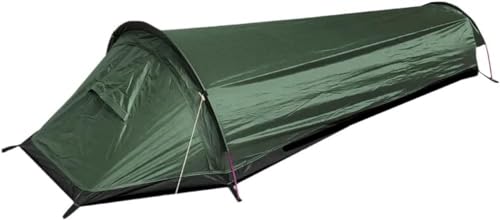
The Genma0 bivy tent emphasizes waterproof protection with a 210D Oxford cloth base suitable for damp environments. It features durable polyester and breathable mesh for ventilation and uses sturdy aluminum support poles for quick, straightforward setup. Best for campers near streams or wet terrain who need confidence in weather resistance. It may be less spacious than freestanding tents, making it better suited for solo use with minimal gear.
Night Cat Upgraded Backpacking Tent 1–2 Persons

This Night Cat upgrade supports 1–2 people with easy clip-based setup and a roomy interior that can hold one adult plus gear or a small child. It uses a waterproof, windproof fabric system with extra seams sealed for rain protection. Best for everyday camping or bikepacking where quick pitching and stable structure matter. Consider the slightly larger footprint if you’re ultralight purist aiming strictly for solo travel.
GEERTOP Ultralight Backpacking Tent

The GEERTOP single-person tent weighs under 4 pounds with a spacious footprint and dimensions around 84 x 39 inches. It features a double-layer design with a PU2500mm rated flysheet for weather protection and taped, double-stitched seams. It also offers two vestibules and good ventilation. Best for solo hikers who want a reliable, double-layer shelter in varying seasons. A note: setup may be more efficient with practice due to the double-layer structure.
Clostnature 1 Person Tent For Backpacking

The Clostnature 1 Person Tent emphasizes ultralight design with a minimum footprint and a 7’3″ by 2’8″ sleep area. It offers a 7-section aluminum pole system for quick setup and a PU 5000-coated rain fly for strong waterproof performance. Best for hikers prioritizing weight savings and compact packing. Limitation may include reduced internal space for those who need extra gear storage or taller sleepers.
Buying Guide
What should you consider before buying a one-person tent? Key questions and answers below help clarify common buyer concerns.
- How light should my tent be? Choose a target weight based on your typical pack weight and the terrain you’ll encounter. Ultralight tents around 2–4 pounds suit long, multi-day trips; heavier options may add space or durability.
- Is a double-layer tent worth it for you? Double-layer tents provide enhanced weather protection and ventilation but can add weight and setup time. They’re better for variable climates and wetter environments.
- Do you need extra vestibule space? A larger vestibule helps with gear storage and shoe areas, especially in bad weather or when camping with a partner from time to time.
- What climate features matter most? Look for waterproof ratings (PU or silicone coatings), taped seams, and durable floor materials to handle damp ground and rain reliably.
- Is quick setup important? Clip-based systems and freestanding designs offer faster pitching and easier strike, ideal for unpredictable weather or frequent campsite changes.
FAQ
- What is the best tent for a first-time solo camper? A lightweight, easy-setup tent with clear instructions and minimal assembly steps is ideal for beginners.
- How do I choose between bivy and full tents? Bivy shelters are compact and weather-resistant but offer less interior space; full tents provide more room and comfort for longer trips.
- Can these tents handle heavy rain? Most listed tents are designed for typical rain conditions with waterproof fabrics and taped seams. Always verify the weather rating before heavy trips.
- Are these tents suited for biking or motorcycle trips? Yes, several models are compact and lightweight, with packable designs ideal for bikepacking and motorcycle trips.
- Do I need a footprint or groundsheet? A groundsheet or footprint extends tent life by protecting the floor from abrasions and moisture, particularly on rough or damp ground.
- How important is ventilation? Good ventilation reduces condensation inside the tent, especially in humid environments or during warm nights.