If you’re shopping for sleeping bags designed for freezing nights, you want models with reliable insulation, roomy comfort, and practical features that seal out drafts. Below are five 0°F sleeping bags that stand out for different adventurers. They’re suited for winter campers, hunters, big-and-tall hikers, and anyone who prioritizes warmth without sacrificing space or ease of use.
Summary of Selected Products
| Product | Best For | Temp Rating | Notes |
|---|---|---|---|
| Londtren Large 0 Degree Sleeping Bags for Adults | Big and tall sleepers | 0°F – 15°F (comfort 20°F) | Flannel lining, draft tubes, hood |
| Teton 0F Degree Deer Hunter Sleeping Bag | All-season hikers and hunters | 0°F | Canvas shell, cloud-like warm interior |
| Teton Celsius Regular 0 Degree Sleeping Bag | Families and all-day campers | 0°F | Soft lining, easy packing |
| Coleman North Rim 0°F Big & Tall | Big and tall campers | 0°F | Thermolock draft tube |
| HiZYNICE Sleeping Bags 0°F, XXL | Large adults, side sleepers | 0°F | 100% cotton flannel lining, extra-long |
Londtren Large 0 Degree Sleeping Bags for Adults
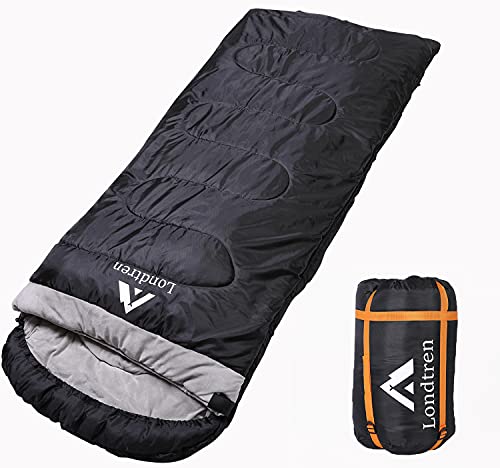
Best for: Taller or bigger sleepers who need extra width and height. Why selected: This bag measures 90 inches long and 40 inches wide, accommodating most people up to 7 feet tall. Its two-way zipper supports easier entry and temperature control. The 0°F to 15°F winter rating and a comfort range of 20°F to 55°F provide practical versatility for variable cold conditions. The flannel lining and draft tubes help keep warmth in, while a thick shoulder belt and drawstring hood add additional warmth around the head and neck.
Caution: The comfort range can vary by individual; the bag is designed for cold-weather use but may feel less warm at milder levels if blocked by drafts in a tent. Ensure the hood is fully cinched in windy nights.
Teton 0F Degree Deer Hunter Sleeping Bag

Best for: Hunters and mountain campers who need durable, long-lasting gear. Why selected: The bag uses a canvas shell designed for rugged outdoor use and a warm interior with fiber fill and double-layer construction. It includes shoulder draft tubes and a half-circle mummy hood to trap heat while allowing for flexible movement. Zippers on both sides enable easy temperature control and access. This model is built for extreme cold and harsh environments.
Caution: Canvas shells can be heavier than synthetic fabrics; consider weight when packing for long, multi-day trips. Compression and transport efficiency depend on your backpacking approach.
Teton Celsius Regular 0 Degree Sleeping Bag

Best for: Families and casual outdoor enthusiasts who want reliable warmth and easy packing. Why selected: This bag offers a soft poly-flannel lining, a half-circle mummy hood, and a double-layer construction with draft tubes to keep cold out and warmth in. It comes with a durable compression sack for easy packing and quick setup, making it practical for quick camping trips or weekend getaways.
Caution: The temperature rating is an estimate; individual comfort may vary with humidity and wind exposure. Ensure proper tent setup to maximize warmth retention.
Coleman North Rim 0°F Big & Tall Sleeping Bag

Best for: Big and tall campers who need extra space and warmth. Why selected: The Coleman North Rim is designed to keep heat inside with a Thermolock draft tube along the zipper, reducing cold influx. It’s suitable for cold-weather camping and large-framed sleepers who value legroom without compromising thermal performance.
Caution: Some users may find it heavier due to its size. Consider packing strategy if you’re hiking miles to a campsite.
HiZYNICE 0°F Sleeping Bag, XXL

Best for: Side sleepers and tall adults who want extra room and a roomy fit. Why selected: The bag provides a 90 by 39 inch dimension, a soft cotton flannel lining, and anti-snag zippers with versatile top or bottom access for ventilation. It maintains warmth at 0°F with a draft tube along the zipper to minimize heat loss.
Caution: As a cotton-flannel interior, it may require careful care to maintain the fabric’s feel over time; follow washing instructions to prevent pilling or fabric wear.
Buying Guide: Key Considerations For Zero-Degree Sleeping Bags
Understanding warmth, space, and build quality helps match the right bag to your winter plans. Consider these practical questions as you compare options.
What temperature rating do I really need?
Zero-degree bags are designed for truly cold nights. If you camp in environments with frequent wind or damp conditions, aim for models with a lower comfort rating or additional draft protection. Remember that ratings are general guidelines and personal comfort can vary.
How much space do I need?
Big and tall sleepers benefit from extra width and length. Look for bags labeled as “XXL” or “Big & Tall” with dimensions that accommodate your height and shoulder width. A bag that’s too tight can reduce circulation and warmth.
What fabrics and insulation matter?
Canvas shells offer rugged durability but are heavier. Synthetic fills retain warmth when damp, while flannel or cotton linings add comfort but require more care. Draft tubes resist heat loss through zippers and are a key feature for cold-weather use.
How important is packing and portability?
For backpackers, weight and packed size matter. Look for bags with compression sacks and compact packaging. If car camping is your plan, larger bags with robust shells can be acceptable if they provide superior warmth.
Are there any trade-offs to expect?
Ultra-warm bags may be bulkier or heavier. Some models emphasize mobility and quick access with two-way zippers, while others prioritize heat retention with heavier shells. Balance warmth with weight based on your typical trip length and mode of transport.
Frequently Asked Questions
- What does 0°F rated sleeping bag mean? It indicates the bag is designed to keep you warm in freezing conditions. Real-world comfort depends on factors like humidity, wind, and clothing layers.
- Is a bigger bag warmer? Not necessarily. Warmth comes from insulation and sealing drafts. A larger bag can feel warmer if it reduces the chill at the edges, but it may also trap more air to heat if used with proper layering.
- Should I choose synthetic or down for zero-degree bags? Synthetic fills perform better when damp or wet and are often more affordable. Down offers superior warmth-to-weight but can lose insulating power when wet unless treated or paired with a dry environment.
- How important is the hood and draft protection? Very important. A well-designed hood and draft tubes minimize heat loss around the head, neck, and zipper line, significantly improving comfort in cold conditions.
- Can these bags be used for indoor camping or glamping? Yes. They’re suitable for any cold-weather sleeping environment, but consider their bulk and temperature performance if you’re aiming for a lighter, more portable setup.
- Do these bags come with a compression sack? Most do; a compression sack aids transport and storage, especially for car campers or hikers with limited space.