Oil lanterns powered by traditional fuel offer warm, steady light without electricity. This guide helps buyers choose the best options, including U.S.-made choices and strong international contenders. The top picks cover durability, ease of use, and outdoor resilience for camping, emergencies, patios, and decor. Best for outdoor enthusiasts, emergency preppers, and rustic interiors, these selections balance authenticity, reliability, and value. The following table highlights the five featured products and why they stand out.
Product Quick Reference
| Product | Brand | Why It Stands Out | Best For |
|---|---|---|---|
| Feuerhand Baby Special 276 Storm Lantern | Feuerhand | German-made, shatterproof glass, durable for outdoor use | Outdoor enthusiasts and emergency prep |
| Feuerhand Outdoor Kerosene Fuel Lantern | Feuerhand | Weather resistant, long heritage, strong globes | Patio, campground, and emergency lighting |
| Dietz #76 Original Oil Burning Lantern | Dietz | Classic, budget-friendly American-made option | Budget outdoor lighting and basic camping |
| Thous Winds Camping Oil Lantern | Thous Winds | Stainless steel body, long burn time | Outdoor cooking, warming, and versatile lighting |
| 100% Working Brass 7″ Miner Lamp | THE ANTIQUE HOUSE | Brass aesthetic, functional Fresnel lens, collectible | Decorative display and antique-style lighting |
Feuerhand Baby Special 276 Storm Lantern

Product highlights indicate a long-standing non-electric light tradition from Germany. The Baby Special 276 uses a powder-coated steel body and shatterproof glass to withstand weather and rough outdoor handling. Best for campers who want reliable, warm illumination and a classic look. The lantern is especially suitable for emergency kits and patios where wind and rain are common. One potential limitation is that it is not U.S.-made, which may matter for buyers seeking domestic production.
Feuerhand Outdoor Kerosene Fuel Lantern

This 10-inch lantern from Feuerhand emphasizes weather resistance and a warm white glow. It is well-suited for patios, balconies, and camping, with a history of reliability. It shares the German design heritage and uses a tough SUPRAX globe designed to resist cracking in rain or snow. Best for outdoor users who value durability and a historical brand. As a caution, it remains a non-U.S.-made option, which may influence domestic sourcing preferences.
Dietz #76 Original Oil Burning Lantern

Dietz #76 is a classic oil lantern with a long American legacy. This model is known for solid construction, easy fuel access, and reliable burning for camping and emergency lighting. It’s often chosen by buyers seeking a true vintage American lantern. Best for collectors or budget-conscious buyers who want a straightforward, functional lantern. A caveat: some older or unfinished versions may show wear that affects aesthetics but not performance.
Large Paraffin Oil Indoor Lamp by Lamplight
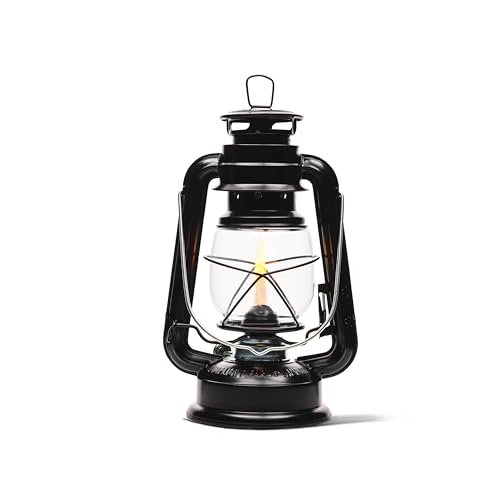
This indoor lamp provides household utility during power outages with a focus on paraffin oil. It is designed for indoor use and originates from a manufacturing region in China. Best for users needing a simple, cost-effective indoor lighting solution. The limitation is that it is not U.S.-made and is intended more for indoor utility than rugged outdoor use.
Dietz #80 Blizzard Oil Burning Lantern

The Blizzard model from Dietz combines substantial height with extended burn times, offering 26 hours on a generous fuel load. It provides solid brightness and a practical silhouette for outdoor and semi-outdoor use. Best for users who need longer operation between refueling and who appreciate a classic black-and-gold aesthetic. A limitation is that availability can vary, and some variants may require more frequent maintenance than modern electronic lighting.
Buying Guide: Oil Lanterns For Every Scenario
- Domestic vs. global supply: If buying local production matters, prioritize Dietz or Feuerhand models with explicit manufacturing origins. Domestic brands often emphasize accessibility and parts availability.
- Fuel type and burn time: Check recommended fuels (kerosene vs. lamp oil) and expected burn duration. Longer burn times reduce refueling intervals in camping or emergency use.
- Durability and weather resistance: Outdoor lanterns should feature robust globes, heat-resistant components, and weather seals. Look for lamps with shatterproof or heat-resistant glass.
- Portability vs. size: Taller lanterns provide more light amplitude but can be heavier. Choose based on the intended use — tabletop kitchen lighting, backpacking, or patio ambiance.
- Aesthetics and legacy: Brass and polished finishes offer classic appeal, while powder-coated steel emphasizes rugged outdoor practicality. Consider whether you want decorative value or utilitarian performance.
- Safety considerations: Use only approved fuels, maintain proper ventilation when indoors, and store fuel away from heat sources. Replace worn wicks and seals to maintain performance.
- Maintenance and spare parts: Access to replacement globes, wicks, and gaskets matters. Brands with a long history typically provide parts more readily.
Frequently Asked Questions
- What makes an oil lantern a good backup light?
Oil lanterns provide dependable light without electricity, work in power outages, and do not require batteries, making them suitable for emergencies and off-grid living.
- Are U.S.-made oil lanterns more reliable than imported ones?
Reliability varies by model and build quality. U.S.-made options like Dietz can offer straightforward maintenance and readily available parts, while high-quality imported models can offer durability and design features as well.
- What fuel should I use in a kerosene lantern?
Most lanterns use kerosene or lamp oil. Follow the manufacturer’s fuel recommendations to prevent damage and ensure stable combustion.
- How long can a standard lantern burn on a full fuel load?
Burn times vary by model and fuel, ranging from several hours to more than a day under optimal conditions.
- Is a glass globe essential for safety?
A sturdy globe protects flame and reduces the risk of fuel exposure. Look for shatter-resistant glass or heat-resistant globes for outdoor use.
- Can lanterns be used indoors safely?
Only if you follow ventilation and clearance guidelines. Indoor use should be paired with proper fuel storage and extinguishing methods.