Answering the needs of tailgaters, campers, and emergency prep, these portable power sources provide clean, reliable energy where outlets aren’t available. The top picks are compact enough for a car trunk or backpack, and they power essential devices like phones, laptops, lights, fans, and small appliances. This guide highlights five options suited for different lifestyles: compact travel power, robust outdoor backup, quiet tailgating performance, and versatile charging capabilities for grills or devices.
Buyer snapshot table:
| Product | Best For | |
|---|---|---|
| Powkey Portable Power Station | Travelers, business trips | Ultra-compact with 110V AC outlet and fast recharging |
| MARBERO Portable Power Bank | Outdoor enthusiasts, emergencies | High capacity with multiple USB outputs and built-in flashlight |
| Pulsar PG2300iS | Quiet tailgating, small gatherings | Super quiet, USB and multiple outlets for electronics |
| PowerSmart 3800W Inverter Generator (Gas) | Home backup, large tailgates | High power with quiet operation and clean sine power |
| SLRIOYS 12V Power Supply Adapter | Grills and outdoor cooking | Global-ready power for GMG grills with stable 12V output |
Powkey Portable Power Station With AC Outlet

Best for: travelers and business travelers who need a compact power source for devices like smartphones, tablets, and laptops. This 88.8Wh pack offers a 110V/65W AC outlet and supports three charging methods, including wall AC, 12V car, and solar charging (solar panel not included).
Why selected: It combines portability with a ready-to-use AC outlet, making it convenient for quick device charging at tailgates or campsites. The LED battery indicator helps monitor charge levels on the go.
Caution: The solar charging option requires a compatible panel and proper output (13V-16V). Not designed for high-watt appliances beyond 65W on the AC outlet.
MARBERO Portable Power Bank With AC Outlet
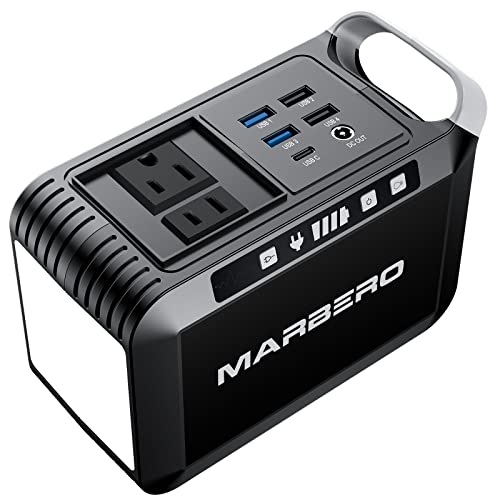
Best for: outdoor enthusiasts and emergency preparedness. This 24,000mAh unit provides multiple outputs: USB ports, a 12-16V DC port, and a 120W peak AC outlet, covering phones, tablets, cameras, radios, and small fans.
Why selected: A compact package with several charging options and a built-in LED flashlight for low-light conditions, ideal for camping or power outages.
Caution: It has multiple outputs with a combined wattage limit; avoid plugging several high-watt devices simultaneously to prevent tripping the capacity.
Pulsar PG2300iS Portable Inverter Generator

Best for: tailgating and small outdoor events needing reliable AC power with quiet operation. It delivers 2300 peak watts and 1800 running watts, with two 120V outlets, a 12V cigarette outlet, and a USB port.
Why selected: Inverter-based power offers cleaner sine wave power suitable for electronics, with a compact footprint for easy transport.
Caution: Generator noise and fuel requirements should be considered for noise restrictions at some venues.
PowerSmart 3800W Portable Inverter Generator

Best for: larger tailgates, RV camping, and home backup where more power is needed without sacrificing quiet operation. It delivers up to 3800 starting watts and 3200 running watts with a clean sine wave.
Why selected: Combines substantial power with a relatively quiet operation (59 dBA at distance) and portability for a generator of its class, making it a practical choice for extended tailgates.
Caution: Higher wattage units require adequate fueling and ventilation; ensure proper distance from tents and vehicles to prevent exhaust exposure.
SLRIOYS 12V Power Supply Adapter
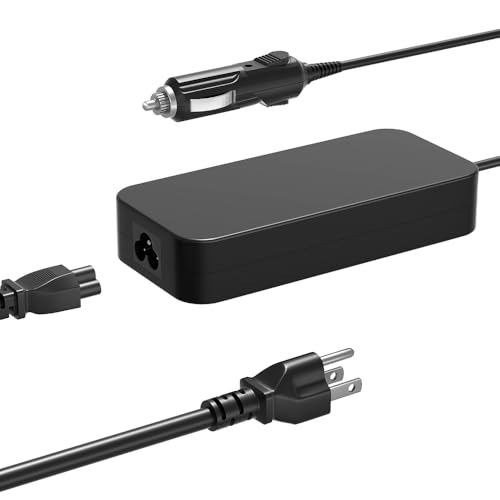
Best for: GMG Green Mountain Grills owners who need a reliable 12V power supply to sustain grill components like augers and igniters during outdoor cooking.
Why selected: Provides consistent 12V output for grills, helping maintain performance during tailgating cookouts. It is designed with safety protections in a durable cord setup.
Caution: It is a specialized accessory; verify compatibility with your grill model before use.
Buying Guide: Key Purchase Considerations
- Power needs: Assess peak vs running watts to avoid tripping or under powering devices. Inverter generators offer clean power ideal for electronics.
- Portability: Consider weight, size, and handle design. Smaller power banks are ultra-portable, while larger generators require transport planning.
- Fuel type and availability: Gas vs dual-fuel affects runtime and refueling flexibility at events or remote locations.
- Noise level: For tailgating, look for units with low dBA ratings to minimize disruption at parks and stadiums.
- Outputs and versatility: Number and type of outlets (AC, USB, USB-C, DC) determine how many devices you can power simultaneously.
- Charging options: Solar compatibility and car charging help extend operation without frequent refueling.
- Safety features: Low-oil shutdown, overload protection, and CO sensors improve safe operation, especially in enclosed spaces.
- Durability and warranty: Outdoor environments require rugged construction and reliable service support.
FAQ
- What size power source is best for tailgating?
Choose a unit that matches your device list. For light loads (phones, tablets, a small cooler), a compact power station (under 100Wh) may suffice. For larger loads (laptops, fans, lights), a higher-wattage inverter generator or generator-inverter combo is preferable.
- Are inverter generators better for electronics?
Yes. Inverter generators produce a clean sine wave with low total harmonic distortion, making them safer for sensitive electronics like laptops and cameras.
- Is 12V DC power enough for grills or cooking?
Some grills and accessories require 12V power; ensure your adapter or power bank provides a stable 12V output at sufficient amperage for continuous operation.
- Should I prioritize portability over power?
For frequent tailgating, portability often matters more than maximum wattage. Balance weight, size, and runtime with your typical tailgate length and location.
- Can I use solar charging for tailgating?
Solar charging adds flexibility, especially for sunny venues. Verify panel compatibility and input requirements for safe and efficient charging.
- What maintenance is needed at tailgates?
Keep fuel, oil, and battery connections clean. Store equipment in a dry, ventilated area and perform basic checks before next use.