Boil-in-bag camping meals simplify backcountry cooking by letting you hydrate, heat, and eat in the same pouch. This guide highlights top options for hikers, campers, and emergency preppers who want quick, no-mess meals in the field. The best picks balance flavor, nutrition, and weight, with clear guidance on who each product suits best. Whether you’re hunting light-weight breakfasts, protein-packed dinners, or long-term storage options, these boil-in-bag meals can streamline your trip planning.
Summary table of selected products:
| Product | Best For | Notes |
|---|---|---|
| MRE Mylar Bags (FoodVault) | DIY MRE kits, long trips | Boilable, large capacity pouches for creating your own meals |
| Peak Refuel Breakfast Skillet (2-Pack) | Morning nutrition on the go | High protein, real ingredients |
| Peak Refuel Sweet Pork & Rice | Hearty main course | 100% real meat, premium freeze-dried ingredients |
| ReadyWise Emergency Food Supply (88 Servings) | Bulk storage, disaster prep | Long shelf life, just-add-water |
| FIREPOT Green Gumbo | Plant-based option | Vegetable-forward with southern spices |
MRE Mylar Bags, 16 Mil, 50-Pack – FoodStorage Ready
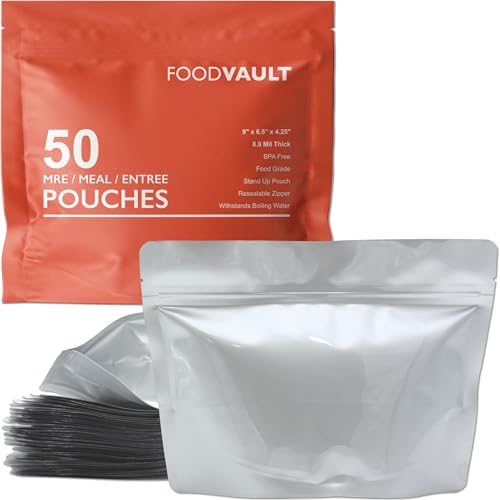
Best for DIY MRE kits and long trips, these 16 mil stand-up resealable pouches are designed for easy hydration and long-term storage. The wide-mouth design helps reach the bottom with spoons, making it practical for meals prepared with boiling water. The bags claim up to 40% more capacity than typical MRE pouches, which translates to more flexible meal options on extended journeys.
Who it’s best for: preppers and campers who prefer custom meal creation and bulk storage. Why chosen: the extra volume supports larger portions and varied ingredients, while still permitting boil-in-bag hydration. Caution: when using for boiling water, ensure the bags are fully opened and used as directed to avoid leaks or burns.
Peak Refuel Breakfast Skillet 2-Pack

Best for high-protein mornings, these breakfast skillets deliver real ingredients and meat, rehydrated with hot water in minutes. They’re lightweight and designed for backcountry use, making them ideal for hikers who want a quick, satisfying start to the day without heavy cooking gear.
Who it’s best for: outdoor enthusiasts prioritizing protein and convenience. Why chosen: the 2-serving pouches provide steady energy and flavor, suitable for early starts. Caution: readiness requires hot water and a few minutes of wait time; not ideal if you’re in a rush or without reliable heat.
Peak Refuel Sweet Pork & Rice

Best for a protein-forward main dish with familiar flavors, this meal uses 100% real meat and premium freeze-dried ingredients. It provides substantial protein per serving and aims to taste close to a home-cooked meal after hydrating with water.
Who it’s best for: campers needing heartier meals with real meat and strong flavors. Why chosen: it stands out for protein quality and flavor integrity among boil-in-bag options. Caution: as with any freeze-dried meat, texture can vary with rehydration time and water temperature.
ReadyWise Emergency Food Supply – 88 Servings
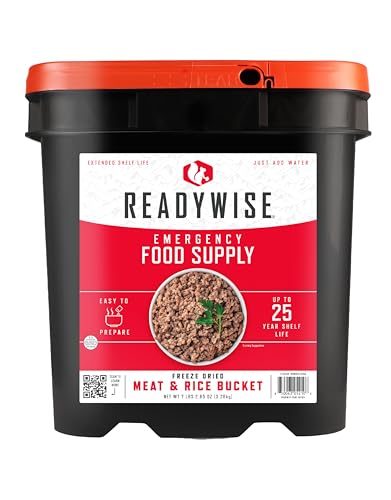
Best for bulk storage and long-term preparedness, this bucket packs 88 servings of meat and rice meals with up to 25 years of shelf life. It’s designed for easy stacking and quick access in emergencies or extended outdoor use, with a just-add-water format for convenience.
Who it’s best for: households building a long-term supply or campers needing a reliable emergency kit. Why chosen: the combination of shelf life and capacity offers a practical balance for planning and peace of mind. Caution: bulk storage means you’ll need organized space and rotation to maintain freshness.
FIREPOT Green Gumbo

Best for plant-based or vegetable-forward options, this gumbo provides a hearty, nutritious alternative to meat-focused meals. It’s prepared quickly with hot water and offers a flavor profile inspired by southern cuisine, delivering a savory, satisfying option for debate-free meals in the backcountry.
Who it’s best for: vegetarians, plant-based eaters, or anyone seeking a lighter, vegetable-rich boil-in-bag option. Why chosen: adds variety to a boil-in-bag lineup without relying on meat; caution: flavor and texture may vary with hydration time and water quality.
Buying Guide: Key Considerations For Boil-In-Bag Camping Meals
- Hydration method: Do you have reliable access to hot water or a stove? Choose meals designed for quick rehydration with minimal boiling time.
- Protein balance: Are you prioritizing high-protein meals or more balanced options? Some packs emphasize real meat, while others focus on plant-based or mixed ingredients.
- Weight and packability: Read pouch size and total weight per serving. Smaller, lighter options fit lighter packs for long treks.
- Shelf life and storage: For preparedness, evaluate shelf life and storage needs. Long-term buckets should be rotated to maintain quality.
- Flavor and texture: Freeze-dried ingredients retain nutrients but can vary in texture. Look for meals with real ingredients and minimal artificial additives if possible.
- Ease of use: Wide-mouth pouches and clear hydration steps reduce cooking time and mess in rugged environments.
- Dietary preferences: Consider allergen information, sodium content, and suitability for vegetarians or other dietary needs.
FAQ: Boil-In-Bag Camping Meals
- What is boil-in-bag camping meal technology?
It uses sealed pouches designed to be rehydrated and heated with boiling water inside the bag, simplifying cooking and cleanup in the outdoors. - Are boil-in-bag meals suitable for long-term storage?
Some options are designed for shelf-stable storage up to 25 years when kept in proper conditions, as with ReadyWise buckets. - Which meals are best for vegetarians?
Plant-based options like FirePot Gumbo provide a vegetarian-friendly choice without relying on meat. - How should I choose between protein-heavy and standard meals?
Consider your activity level, recovery needs, and dietary preferences. High-protein options aid muscle repair after strenuous days. - Can I cook boil-in-bag meals without a dedicated stove?
Yes, as long as you have access to hot water; some hikers use insulated mugs or small stoves to heat water quickly. - Are there any safety tips for using boil-in-bag pouches?
Always open the bag fully, avoid punctures, and follow manufacturer instructions for heating to prevent burns or leaks.