Answering your search for a sleeping bag capable of extreme cold, this guide highlights top options for serious winter camping. The Browning Endeavor -20° Mummy Sleeping Bag is a standout for extreme cold, while other models above provide reliable performance down to 20°F with thoughtful construction. This selection is ideal for cold-weather campers, winter hikers, and anyone needing extra warmth in subfreezing nights. The buyer should compare insulation type, draft protection, weight, and packability to match their adventure and conditions.
Quick product comparison:
- Londtren Large 0 Degree Sleeping Bags for Adults — best for tall users seeking wide fit and versatility down to 0°F.
- Browning Camping Endeavor -20° Mummy Sleeping Bag — best for extreme cold and serious winter expeditions.
- Teton Trailhead 20 Degree Sleeping Bag — best for light backpackers who want warmth with a lightweight setup.
- Coleman Brazos 20/30°F — best for budget-conscious campers needing reliable 20–30°F performance.
- Kelty Cosmic 20 Down Mummy Sleeping Bag — best for sustainable, high-comfort down sleeping in dry climates.
Londtren Large 0 Degree Sleeping Bags
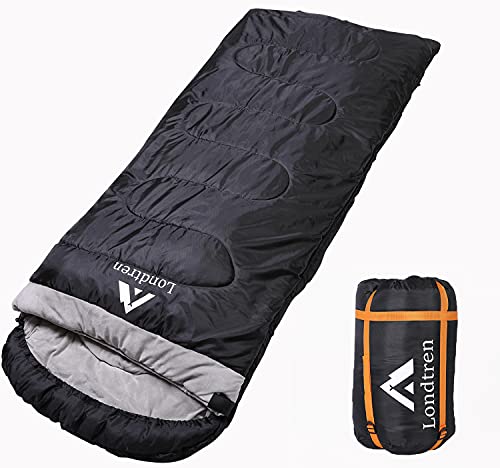
Best for: tall adults and wide comfort lovers. This bag offers an extra-long height of 90 inches and a width of 40 inches, easily accommodating people up to 7 feet tall. Features include a high-quality two-way zipper for easier access and venting, a flannel lining for warmth, and draft tubes to minimize heat loss. The temperature range supports freezing to cool winter nights, with a comfort range that fits most winter camping scenarios. A potential limitation is bulkier packing due to the oversized dimensions.
Browning Endeavor -20° Mummy Sleeping Bag

Best for: winter mountaineering and extreme cold where subzero performance is needed. This bag uses a mummy shape, two-layer construction, and TechLoft Silver insulation to maximize warmth. Chest baffles and a snug mummy hood enhance heat retention around the head and torso. The negative is that this design is less roomy than square or wide-cut bags, which may affect comfort for campers who prefer more space.
Teton Trailhead 20 Degree Sleeping Bag

Best for: backpackers who want a warm, compact option without heavy weight. This mummy bag features a hood, draft tube, and a vaulted footbox for added warmth. The double-brushed liner and microfiber insulation deliver comfort, while the included compression sack simplifies packing. It excels in dry, cool-to-cold conditions but may not perform as well in damp, wet environments where moisture can impact loft.
Coleman Brazos 20/30°F Sleeping Bag

Best for: casual campers and family trips where straightforward warmth is needed. This bag provides warmth down to 20°F with a practical 20/30°F range for variable nights. Its Thermolock draft tube helps reduce heat loss along the zipper. The bag is a solid budget-friendly option, though it is less specialized for extreme cold compared to higher-end models.
Coleman Brazos 20/30°F Adult Cool-Weather Sleeping Bag

Best for: campers seeking a reliable, machine-washable option for 20–30°F nights. The No-Snag zipper design reduces snagging during entry and exit, making it friendlier for beginners. Like the other Coleman Brazos model, it aims for practical warmth with straightforward care. A caution is that it may not offer the loft or specialized warmth needed for severe cold or damp environments.
Kelty Cosmic 20 Down Mummy Sleeping Bag

Best for: campers who value sustainability and high warmth-to-weight. The Cosmic 20 Down uses 550 fill power down, a lightweight mummy silhouette, and PFAS-free DWR-treated fabrics. It is designed for comfort at the campsite with ethical down and recycled shells. The downside can be the higher price and the care required to maintain loft in damp climates.
Buying Guide
Key considerations when selecting a sleeping bag for extreme cold or winter camping:
- Temperature rating vs comfort range: Understand the difference between the limit temperature and comfort rating to choose according to your typical conditions.
- Insulation type: Down provides warmth with lighter weight and high compressibility, while synthetic fills offer better performance in damp environments and easier care.
- Fit and construction: Mummy vs rectangular shapes affect warmth retention and movement. Draft tubes, hood designs, and zipper baffles matter for heat retention.
- Weight and packability: Backpackers should balance warmth with total load and packing space. Consider compression sacks and carry dimensions.
- Durability and care: Materials, exterior fabric, and linings influence longevity and washing requirements. Some bags are machine washable; others require special cleaning.
Choosing by scenario
- Extreme cold or subzero nights: Consider 0°F to -20°F rated bags with advanced draft protection and insulated hoods (e.g., Browning Endeavor -20°).
- Winter camping with moderate cold: Look for 20°F bags with draft tubes and solid baffle design (e.g., Kelty Cosmic 20 Down, Kelty Cosmic Synthetic 20 Degree).
- Tall or wide users: Prioritize XXL or extra-wide models for comfort (e.g., Londtren Large 0 Degree).
- Budget considerations: Coleman Brazos options provide reliable warmth at accessible prices with easy care.
FAQ
- What is the main factor to choose a -20°F sleeping bag?
Answer: The insulation type, hood, draft protection, and overall loft determine performance in extreme cold more than the exterior shell alone. - Is down or synthetic better for winter camping?
Answer: Down offers better warmth-to-weight and compressibility, but synthetic performs better when wet and is easier to care for. - Do I need a big-size sleeping bag if I am tall?
Answer: Yes, a tall or extra-wide bag helps maintain comfort and warmth by reducing constriction and allowing proper loft near the shoulders and hips. - Can I machine wash a sleeping bag?
Answer: Some bags are machine washable; others require spot cleaning or specialist cleaning. Follow manufacturer care instructions to preserve loft. - What’s the benefit of a mummy shape for cold nights?
Answer: A mummy shape minimizes empty space around the body, reducing heat loss and improving warmth retention in cold conditions.