Answering the common buyer question: which beach anchor pulley systems deliver reliable control, corrosion resistance, and easy handling for kayaks, drift boats, or small craft? This guide highlights five standout options, detailing who they’re best for, and why each was selected. Practical for anglers, kayakers, and beach-goers, these picks emphasize durability, saltwater resilience, and simple installation. The following table compares key attributes to help you decide at a glance.
| Product | Best For | Key Benefit |
|---|---|---|
| Zigco SpinRx | Hard-use drift boats | Cold-forged, corrosion-resistant alloy with stainless hardware |
| Anchor Wizard Kayak Kit (YUSOVE) | Kayaks and canoes | 316 stainless components and 30 ft rope |
| EDSRDPLT Kayak Trolley Kit | Budget setups with solid rope | Stainless blocks and sturdy cleat |
| YakGear AK1 Deluxe | Premium trolley systems | Harken pulleys and smooth bow-to-current rotation |
| Attwood Anchor Lift System | Simple anchor handling | Heavy-gauge steel with self-lubricating nylon wheels |
Note: Each product listed below is suitable for typical beach and shallow-water use, with variations in complexity, material, and adjustment features. Consider your vessel size, water conditions, and how often you’ll adjust the anchor point when selecting a system.
Zigco SpinRx – Tangle Proof Pulley System
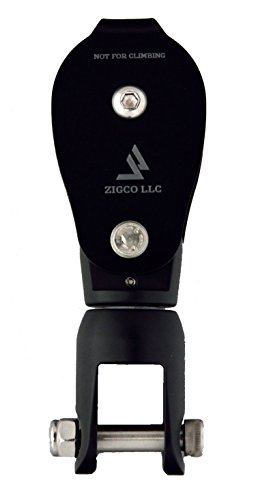
- Material and build: CNC machined solid aerospace-grade aluminum with hard anodized finish for corrosion and wear resistance.
- Hardware: All stainless steel components to prevent rust in saltwater or freshwater environments.
- Best for: Smaller boats or drift boats that require a compact, rugged, tangle-resistant pulley system.
- Why selected: Combines durability with lightweight design and reliable stainless hardware for longevity in harsh anchoring conditions.
- Caution: As a machined aluminum product, ensure proper inspection for any signs of wear after heavy use in rocky bottoms.
YUSOVE Anchor Wizard Kayak Trolley

- Material and design: 316 stainless steel anchor ring, pad eyes, and carabiner; 30 feet of strong paracord.
- Best for: Kayaks and canoes needing a durable, corrosion-resistant trolley with a long reach.
- Why selected: Excellent rust resistance and a long rope length provide flexible positioning in varied water currents.
- Limitation: The system’s complexity may require more setup time for first-time users.
EDSRDPLT Kayak Anchor Trolley Kit

- Materials: 0.39 inch rope with stainless steel pulley blocks; versatile nylon cleat for secure attachment.
- Best for: Beach and river trips requiring a robust, all-around trolley with reliable rope and block setup.
- Why selected: Combines durable rope with corrosion-resistant hardware and a flexible cleat system for anchoring versatility.
- Caution: Check rope length and hardware compatibility if upgrading an existing kayak setup to ensure fit.
YakGear AK1 Deluxe Anchor Trolley

- Features: Deluxe system with Harken pulleys, allowing the bow to turn toward current for smoother handling; includes a mini zig-zag cleat for stable positioning.
- Best for: Anglers and paddlers who value smoother movement and precise positioning in variable currents.
- Why selected: High-quality pulleys and thoughtful design improve efficiency and reduce line friction in active conditions.
- Caution: Higher-end components may require more careful maintenance to preserve performance over time.
Attwood Anchor Lift System
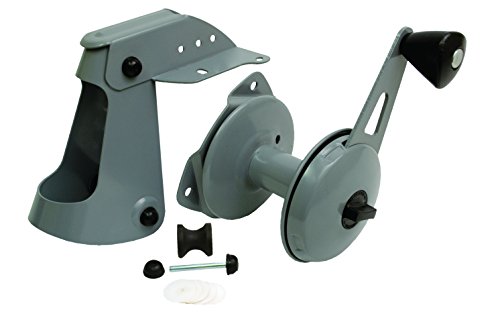
- Material and function: Heavy-gauge steel components with a durable powder-coated finish; nylon wheels are self-lubricating for smoother operation.
- Best for: Beach setups needing straightforward anchor lift, drop, and storage with minimal maintenance.
- Why selected: Simple design with durable steel construction and maintenance-friendly nylon wheels makes it a reliable, low-fuss option.
- Caution: Heavier components may add weight and require stronger mounting points on smaller craft.
Buying Guide
What should you consider before buying a beach anchor pulley system?
Purpose and vessel type drive your choice. Kayaks and small drift boats benefit from lighter, corrosion-resistant setups, while larger boats may require heavier-duty hardware. Consider the typical water conditions—saltwater demands superior corrosion resistance, while freshwater might tolerate simpler designs.
Material and durability: aluminum vs. steel
Aluminum pulleys (often CNC-machined) offer high strength-to-weight and corrosion resistance, ideal for frequent transport and varied climates. Stainless steel components provide robust rust resistance for saltwater use but can add weight. Steel with powder coating is durable and budget-friendly for static or shallow-water anchors.
Rope length and pulley quality
Longer rope gives more positioning flexibility, especially in tidal areas. High-quality pulleys reduce rope wear and friction, improving lift and retraction efficiency. Ensure the rope diameter matches the anchors and cleats in your kit.
Ease of installation and maintenance
Look for kits with clear instructions and commonly available fasteners. Velcro or quick-connect base options simplify storage and removal. Regular inspection of wear points, rope, and pulleys helps maximize life and performance.
Compatibility and mounting options
Check if the system fits your craft’s gunwale width, rail system, or mounting plates. Some kits require additional cleats or pad eyes, while others include these components. Consider whether you need a bow-to-current rotation feature or a straightforward line lift system.
Cost vs. value
More expensive systems often provide smoother operation and longevity through premium pulleys and stainless hardware. If you anchor infrequently, a simpler, budget-friendly kit may meet your needs without overinvesting.
Installation tips and best practices
- Mount at appropriate points to avoid interference with paddling or fishing lines.
- Test the system in calm water first to confirm line tension and cleat security.
- Lubricate moving parts as recommended by the manufacturer and inspect regularly for corrosion or wear.
FAQ
- What is the best material for saltwater use? – Stainless steel components with aluminum or stainless hardware provide robust corrosion resistance.
- How long should a kayak anchor trolley rope be? – Typically 20–30 feet, depending on boat length and anchoring area.
- Do I need a cleat system? – Cleats or zigzag cleats help secure the line and reduce movement in active conditions.
- Are pulley systems easy to install? – Many kits are designed for quick installation, but some may require basic tools and carpentry or deck fittings.
- Can I reuse existing hardware? – It depends on the compatibility of rope diameter, pulley size, and mounting points with your current gear.
- What if I need more stability? – Opt for a trolley kit with larger, low-friction pulleys and additional tie-down points to distribute load evenly.