Finding a sleeping system that keeps you warm, supported, and free to move is essential for comfortable camping. This guide highlights five sleeping bags and all-in-one solutions that pair with sleeping pads, targeting different needs—from family-friendly, built-in pad options to ultralight liners that compress tightly for backpacking. The top picks are ideal for car campers, travel sleepers, kids, and hikers who want a secure, consolidated setup. Below, compare features, fit, and warmth to help you choose the best match for your adventures.
Buyer summary table at a glance:
- Big Agnes Echo Park Sleeping Bag, 20 Degree — Best for roomy car camping and floor-sleepers seeking a luxury backcountry feel with pad integration.
- RANG Land Kids Sleeping Bag with Built-in Pad — Best for kids and sleepovers needing a compact, integrated air mattress system.
- Frelaxy Ultralight Sleeping Bag Liner — Best for travelers who want a breathable, compact liner to enhance any bag or sleeve system.
- MOXILS Sleeping Pad — Best for hikers who want a stand-alone ultralight, built-in-pump pad with quick setup.
- ATEPA Ultralight Down Sleeping Bag with Pad Attachment — Best for backpackers needing a secure, adjustable pad system with 3-season warmth.
Big Agnes Echo Park Sleeping Bag, 20 Degree

Best for: campers who want extra space and a luxurious feel, especially car campers or guests who value room to move. The Echo Park series is long and wide, designed for a relaxed night’s sleep with generous fit on top of a compatible pad.
Why it’s selected: It blends a sleeping bag with a pad sleeve via Padlok, creating a backcountry bed with a quilt-like upper. The Cinch Pad Sleeve helps secure a variety of pad sizes, reducing the risk of rolling off during the night. The oversized draft collar and heat-sealing draft tube improve thermal efficiency, and the bag’s home-like comfort features support head movement without losing warmth.
Caution: The pad is sold separately, so the complete sleep system requires a compatible pad for optimal performance. The fit is tailored for broader frames; narrower sleepers may feel slightly loose around the torso if used without a snug pad.
Rangland Kids Sleeping Bag With Built-In Pad
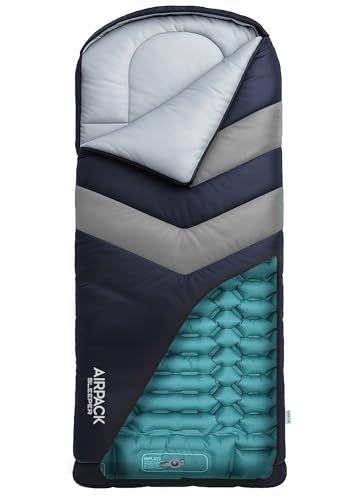
Best for: children up to about 54 inches tall, suitable for sleepovers, camping, and travel where a compact, integrated air mattress system is beneficial for quick setup and portability.
Why it’s selected: The AirPack Sleeper combines a sleeping bag with a built-in inflatable pad that elevates about 3 inches, providing insulation from the ground. An integrated head pillow and foot pump make inflation straightforward, and the internal structure supports consistent loft from head to toe. The bag is sized to accommodate younger campers, making it a practical choice for family trips.
Caution: The built-in pad adds weight and bulk compared to standalone pads, which may affect packing efficiency for hikers or minimalist travelers. The recommended age range is specific, so it’s best suited for kids within the stated height/age guidelines.
Frelaxy Ultralight Sleeping Bag Liner
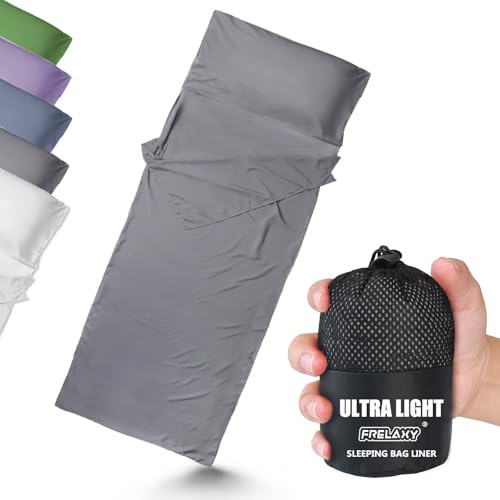
Best for: travelers, hostel stays, or campgrounds where you want a lightweight, breathable layer that adds comfort and hygiene to any bag or sleeve system.
Why it’s selected: This liner is compact and featherweight, with a breathable, silky-soft feel. It includes an integrated pillow sleeve to boost comfort and protection, and it’s easy to machine wash and quick-drying, making it versatile for frequent travelers who use different sleeping setups. The liner reduces odor transfer and helps maintain warmth by adding a breathable barrier between you and the outer bag or pad sleeve.
Caution: The liner is not a complete sleeping bag and does not provide substantial insulation on its own in cold conditions. It’s best used with another insulation layer or pad that offers warmth in chilly environments.
MOXILS Sleeping Pad With Built-In Pump

Best for: hikers and campers who want a compact, ultralight pad with fast setup and a built-in pump to minimize gear clutter.
Why it’s selected: The MOXILS pad uses body mapping technology to optimize comfort and support in various sleep positions. It inflates quickly via a built-in pump, minimizing the need for manual blowing. It’s rugged, waterproof, and weighs around 1.9 pounds while providing a generous sleeping area to suit many body types.
Caution: While the built-in pump speeds setup, the overall pad thickness is designed for portability; colder sleepers may want an additional insulating layer beneath it for extended low-temperature use.
ATEPA Ultralight Down Sleeping Bag With Pad Attachment

Best for: backpackers who need a secure pad system with a versatile design and strong down insulation for three-season use.
Why it’s selected: The bag uses 300g Coldmaster Down and features a pad attachment system with reinforced corners and straps to keep the sleeper centered and warm on uneven terrain. It’s a 78.7″ x 33.5″ design that can be used as a standard bag, a blanket, or a poncho, offering flexibility for varying camp conditions. The 50°F comfort rating supports shoulder-season use, while the construction helps minimize cold spots.
Caution: While the pad attachment system provides security, users should verify pad dimensions match the attachment points for best fit. The bag is designed for three-season use; it may not provide optimal warmth in extreme cold without additional layers.
Buying Guide: Key Considerations For Sleeping Bags With Pad Sleeves
What should you look for when choosing a sleeping bag with a pad sleeve?
- Pad integration vs. independent pad: Decide if you prefer a built-in pad sleeve (simplifies packing) or a separate pad you pair with a bag. Built-in sleeves reduce shifting but may limit pad options.
- Warmth and insulation: Consider the temperature rating and insulation type. Down provides warmth with less weight, while synthetic fills perform better in damp conditions.
- Fit and roominess: If you’re larger or move around at night, choose roomy bags like Echo Park or those with wider cut. For hikers prioritizing pack weight, liners and compact pads may be best.
- Pad compatibility: Check pad width and thickness to ensure the sleeve or attachment system grips securely and won’t slip during the night.
- Weight and packability: Ultralight liners and compact pads are ideal for backpackers, while bulkier integrated systems suit car campers.
- Durability and care: Look for materials that withstand frequent use, and consider how easy it is to clean liners or air pads after outdoor adventures.
Frequently Asked Questions
- Are pad sleeves worth it for casual campers? Yes, they reduce slipping and maintain warmth, but ensure the pad width matches your sleeping bag sleeve.
- Can I use a regular sleeping bag with a separate sleeping pad? Absolutely, but you may need a separate pad and a strap or clip system to reduce movement.
- What temperature rating should I choose for three-season use? Look for a comfort rating around 40–60°F, depending on your tolerance to cold and expected conditions.
- Are built-in pads more expensive? Often yes, but they offer convenience and pack efficiency for quick setups.
- Is a sleeping bag liner a good replacement for a pad sleeve? A liner adds comfort and hygiene, not full insulation. It’s best used with a dedicated pad or bag.
- How do I maintain a pad with a built-in pump? Keep the valve clean and dry, and store the pad partially inflated or fully deflated as per manufacturer guidance to prolong life.