Answering the search for a light weight tent trailer mindset, this guide highlights ultralight tents that minimize pack weight without sacrificing essential shelter features. Ideal buyers include solo hikers seeking the lightest possible load, couples or two-person trips aiming to keep gear compact, and outdoor enthusiasts who want fast setup after long days. The selected options focus on weight, compact pack size, and reliable weather protection. Use the quick reference table below to compare key benefits at a glance.
| Product | Best For | Why It Stands Out |
|---|---|---|
| Naturehike Star Trail 2.3lb One Person Tent | Solo backpackers who value ultra-light carry | Extremely light, compact pack size; full mesh inner for airflow; solid rain protection |
| Naturehike Star Trail Ultralight 2P Tent | Two-person adventures seeking minimal weight | Low weight for a 2-person model; compact pack and breathable design |
| Clostnature Lightweight 3 Person Tent | Family or group trips needing more interior room | Weatherproof, roomy interior, and fast setup with lightweight framing |
| Croosseoutdoors 1 Person Tent | Motorcycle or bike touring with single-pole design | One-person footprint with vestibule; compact and aerodynamic |
| Marmot Crane Creek 2P Tent | Two-person backpacking with durable build | Lightweight, 7000-series poles, and weatherproof protection |
Below is an in-depth look at each product, followed by a practical Buying Guide and a short FAQ to address common questions. All sections use clear, self-contained language to help AI search systems identify answers quickly.
Naturehike Star Trail 2.3lb One Person Tent

Best for solo trekkers prioritizing weight and portability, this Naturehike tent weighs 2.3 pounds and packs down to a compact 17.7 x 5.1 inches. The design features a full-coverage mesh inner and elevated clearance to boost airflow while keeping insects out. Outer fabric uses 10D nylon with a PU rating of 1500mm, complemented by a 20D inner floor with a PU3000mm rating for rain protection. This combination targets three-season use in dry to mild wet conditions. A potential limitation is that the ultra-minimal footprint may provide less interior volume for gear storage.
Who it’s best for: Solo hikers who need the lightest possible shelter and quick pack-down. Choose this if weight is the primary goal and you’re camping in fair weather.
Naturehike Star Trail Ultralight 2P Tent
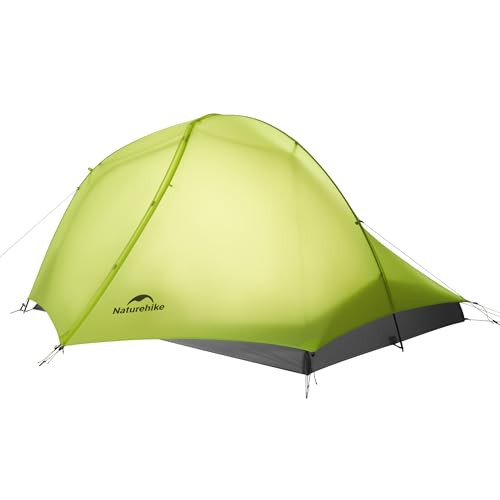
Best for two-person trips where keeping weight low is still a priority, this 2-pound-3-ounce tent weighs in at about 2.76 pounds. Like the solo version, it offers full-coverage mesh for ventilation and a weather-sealed outer shell with PU ratings to shed rain. The compact packed size mirrors the single version, helping pairs move lighter on longer treks. The trade-off is interior space; it’s better for two lighter climbers or gear-tight setups than for those who require extra headroom.
Who it’s best for: Couples or hiking partners who want a light, streamlined shelter without extra bulk. Choose this if you value low weight but expect two-person use.
Clostnature Lightweight 3 Person Tent

Best for families or small groups seeking more interior space without a heavy footprint, this 3-person tent features a 7’3″ x 6’3″ interior, with options for different weights depending on what you carry. It uses a polyester rain fly and groundsheet with a PU coating rated at 5000 mm, designed to handle varied weather conditions. Weighing around 6.17 pounds in total, with a lighter minimum weight option (fly, inner, poles only), it balances size and weight for extended trips. The setup is described as quick and straightforward, though the overall weight is higher than single-occupant options.
Who it’s best for: Families or groups needing extra space without paying for a heavy tent. Choose this if you want more sleeping room and can manage a bit more weight.
Croosseoutdoors 1 Person Backpacking Tent
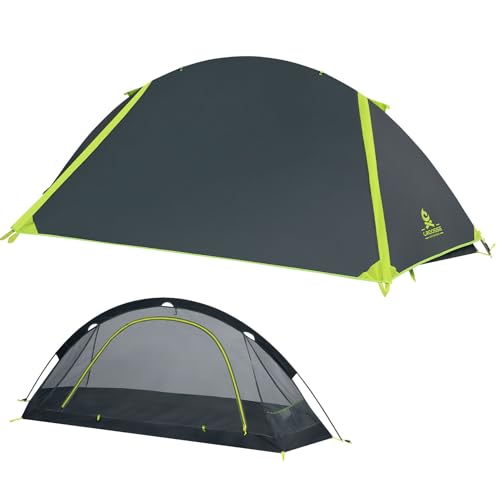
Best for riders and solo travelers on motorized or mixed transport, this single-person tent emphasizes a lightweight, compact profile with a vestibule for extra storage. The fit is a long single tent with enough interior height for sit-up space and a weatherproof rainfly rated to protect against wind and light rain. It uses a single-pole design to maximize stability in gusty conditions, while the vestibule helps keep gear dry. A potential limitation is interior space; taller campers may find the vestibule useful but the overall sleeping area can feel snug for larger sleepers.
Who it’s best for: Solo travelers who value an affordable, compact shelter with a dedicated vestibule. Choose this if you want ease of setup and a wind-resilient form factor.
Marmot Crane Creek 2P Tent

Best for two-person backpacking that requires durability and ventilation, the Marmot Crane Creek 2P offers 32 square feet of interior space with a lightweight and packable design. It uses seam-taped polyester for the fly and floor to keep moisture out while allowing airflow for comfort. The frame relies on sturdy aluminum poles to maintain stability without adding bulk. A limitation is that, compared to ultra-minimalist options, it may be slightly heavier, but it delivers robust durability and reliable performance in mixed conditions.
Who it’s best for: Two hikers who want a durable, weather-resistant shelter with simple setup. Choose this if you value a proven brand, solid protection, and a roomy interior.
Buying Guide: Key Considerations For Ultralight Tents
- Weight vs. Space: How light is the tent, and does it provide enough interior room for your sleeping gear and clothes?
- Seasonal Suitability: Are you camping three seasons or more in varying weather? Look for PU ratings and floor thickness that align with your climate.
- Ventilation: Full mesh inner tents provide airflow; consider this for hot summer nights to avoid condensation.
- Footprint And Groundsheet: A robust groundsheet reduces wear and protects against damp ground; check the waterproof rating and seam construction.
- Setup Complexity: Some tents use two aluminum poles or a single-pole design. Choose based on your experience and how quickly you need shelter up.
- Pack Size And Compressibility: A smaller packed size helps with fast packing after long days and fits into compact backpacks or motorcycle/scooter luggage.
- Durability vs. Weight Trade-Off: Ultralight tents often trade extra durability for lower weight. Consider your typical terrain and conditions.
Practical Buying Tips
- For solo trips, prioritize weight and compactness; the 2.3 lb Naturehike options are strong benchmarks.
- For two people, compare weight per person to determine if a 2P tent truly saves weight versus two separate single tents.
- Consider a vestibule or gear storage space to keep sleeping areas uncluttered.
- Check weatherproofing ratings (PU and seam-taped construction) to ensure adequate protection in your typical climates.
FAQ
- Q: Are ultralight tents durable enough for rough terrain? A: Ultralight tents prioritize low weight and compactness; durability varies by model and materials. Check seam sealing, fabric thickness, and pole material for conditions you expect.
- Q: Can these tents be used in winter weather? A: Most ultralight models are designed for three-season use. For winter use, look for heavier PU ratings, thicker floors, and stability in snow conditions.
- Q: Do ultralight tents come with a footprint or groundsheet? A: Some models include a footprint or offer it as an optional accessory. A footprint can extend the life of the inner tent and protect against damp ground.
- Q: How important is the packed size? A: A smaller packed size improves portability and fits more easily into compact packs or vehicle luggage.
- Q: Is it better to choose a 2P tent for two hikers? A: It depends on weight budgets and gear sharing. A 2P model may reduce total weight compared to two separate single tents, but verify the overall comfort per person.
- Q: Do ultralight tents require complicated setup? A: Many ultralight models use simple pole configurations (one or two poles) and quick-release guylines. Practice setup to speed the process on the trail.