Answering the need for reliable, convenient water storage, this guide highlights handy portable containers ideal for camping, hiking, emergencies, and travel. The top picks suit different buyers: hikers may want lightweight foldables, families need larger capacity, and prep-minded buyers seek durable, leak-proof designs. Below is a quick comparison to help you decide which container fits your outdoor lifestyle.
| Product | Capacity | Best For | |
|---|---|---|---|
| CoreMuse Camping Water Container | 2.1 gallons (8 L) each | Lightweight camping and emergency storage | Collapsible with separate inlet/outlet for smooth pouring |
| COOZMENT 3.2 Gallon | 3.2 gallons | Easy pouring and cleaning, larger group use | Wide mouth, built-in spigot |
| WaterStorageCube 5.3 Gal (2-pack) | 5.3 gallons each | Outdoor activities with longer outings | No-leak design, thicker lid, reusable |
| Cedilis 5.3 Gallon (2-pack) | 5.3 gallons each | Durable, long-term storage | Leak-proof spigot, one-piece molded |
| Gowithwind BPA Free Collapsible | 2×5.3 gallons | Emergency kits and versatile storage | Vent, lid, collapsible and portable |
CoreMuse Camping Water Container 2 Gallon Pair

The CoreMuse set provides two 2.1-gallon collapsible jugs, designed for portability and rapid storage. This is best for solo travelers or small groups who value light weight and quick packing. The separated inlet and outlet design helps balance air pressure for smoother pouring, making it a practical option for hikers and campers who refill often. A potential limitation is the foldable design, which may require careful handling to maintain shape during long trips.
COOZMENT 3.2 Gallon Portable Water Container
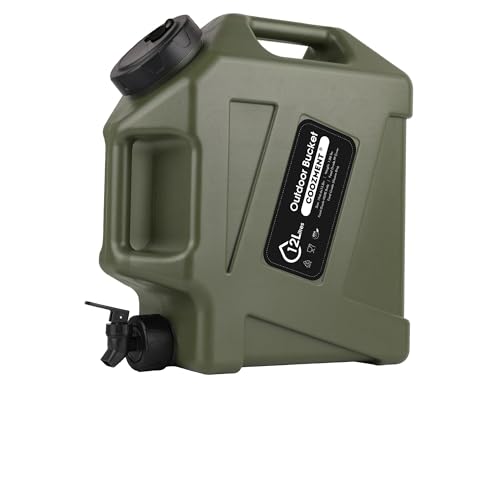
The COOZMENT container offers a 3.2-gallon capacity with a wide 4-inch mouth and a side spigot for easy, controlled pouring. It uses food-grade materials and seals to avoid taste transfer, making it a better pick for families and group trips where hygiene matters. Best for those who need easier cleaning and quick dispensing; consider that the size is bulkier to carry for solo backpackers.
WaterStorageCube BPA-Free Collapsible Container (5.3 Gal 2-pk)
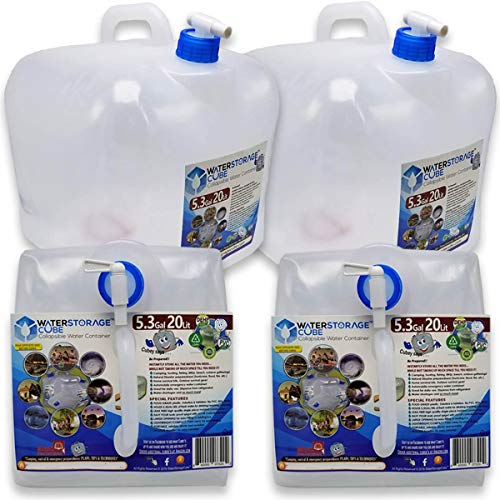
WaterStorageCube emphasizes food-grade, odorless PE material and a leak-proof one-piece design. The 5.3-gallon size is well-suited for families or car camping, offering ample storage without frequent refills. It’s noted for a thicker lid and controllable flow spigot. A caveat: the bulkier footprint is less practical for ultra-light backpacking or solo treks.
Cedilis 2 Pack 5.3 Gallon Collapsible Containers
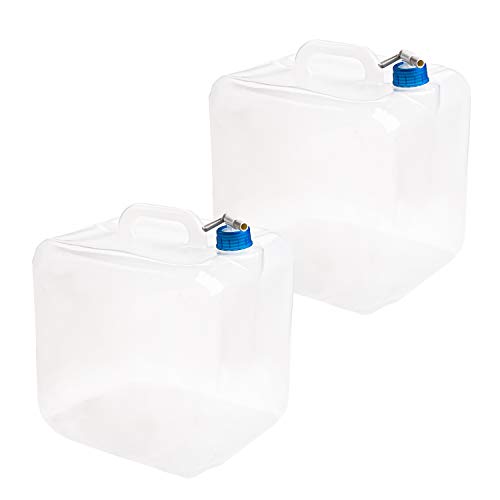
Cedilis packages two 5.3-gallon collapsible jugs with a leak-proof spigot and a one-piece molded body to prevent leaks. These are best for emergency storage and extended trips where keeping a larger quantity of water secure matters. They fold flat when empty, which helps with storage in vehicles or shallow compartments. A limitation is the heavier weight when filled, compared with smaller jugs.
Gowithwind BPA Free Collapsible Water Container

This BPA-free canteen provides a collapsible, vented design with a spigot and lid to minimize leaks during transport. It’s ideal for hikers and disaster-preparedness kits requiring compact, reusable water storage. The vented lid helps with airflow during pouring. A caution is that the larger 2×5.3 gallon setup may be overkill for solo travelers or compact packs.
Buying Guide
Key considerations when choosing a portable water storage container:
- Capacity: Decide how much water you typically need per outing. Smaller jugs (2–3 gallons) are lighter, while larger jugs (5–6 gallons) reduce refills but add weight.
- Materials: Look for BPA-free, food-grade plastics to avoid taste transfer and chemical exposure. LDPE and PE variants are common and flexible.
- Spigot and lid design: A leak-proof spigot with an on/off control helps with measured pours. A secure lid prevents spills during transport.
- Portability: Collapsible designs save space when empty and are easier to pack for backpacking. Rigid containers offer durability but less savings on space.
- Cleaning accessibility: Wide mouths and accessible interiors simplify cleaning, which is crucial for hygiene on extended trips.
- Durability: Seams and welds should be strong, with reinforced sides for abrasion resistance in outdoor environments.
- Storage conditions: Consider whether you’ll store the container in a vehicle, backpack, or home to pick the right balance of rigidity and foldability.
FAQ
- Q: Are collapsible water containers safe for long-term storage? A: Yes, when made from food-grade materials and kept clean; check for BPA-free labeling and proper seals.
- Q: Which capacity is best for a weekend hike? A: A 2–3 gallon container is typically ideal for solo or two-person trips without adding too much weight.
- Q: Can these containers be used for beverages other than water? A: Most are designed for water, but some can hold other drinks; always verify material safety for different liquids.
- Q: How do you prevent leaks during transport? A: Ensure the lid is fully closed, the spigot is tightened, and the container is stored upright or secured to avoid pressure on seams.
- Q: Is cleaning required after each use? A: For hygiene, rinse after use, especially if storing consumables other than plain water, and let air-dry completely.
- Q: Which is more durable, collapsible or rigid containers? A: Rigid containers tend to resist punctures better in rough terrain, while collapsibles save space when empty.