Open, compact, and reliable, closed-cell sleeping pads are ideal for hikers, campers, and backpackers seeking lightweight insulation without risk of deflation. This guide highlights top options suitable for various budgets and outdoor goals. Best for ultralight hikers, budget backpackers, and casual campers, these picks balance warmth, durability, and portability. Below is a quick summary table of the featured products to help you compare at a glance.
| Product | Brand | Insulation/Notes | Best For |
|---|---|---|---|
| Therm-a-Rest Z Lite Original | Therm-a-Rest | R-Value 1.7; accordion-fold design; heat-trapping dimples | Budget-friendly warmth for cold nights |
| Therm-a-Rest Z Lite Sol | Therm-a-Rest | R-Value 2.0; reflective coating; compact and durable | Warmth for damp or variable conditions |
| Featherstone Cordion Insulated | Featherstone | R-Value 2.1; hexagonal nodes; dual-density film | Ultralight warmth with extended coverage |
| Stansport Pack Lite | Stansport | Closed-cell foam; roll-up; waterproof & puncture-proof | Simple, dependable foam comfort |
| Wakeman Outdoor Foam Pad | Wakeman | 1.25-inch-thick foam; waterproof surface; carry strap | Budget-conscious comfort on cots or ground |
Therm-a-Rest Z Lite Original Camping Pad
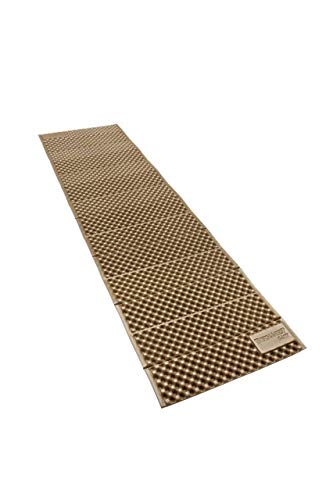
The Therm-a-Rest Z Lite Original is a lightweight closed-cell foam pad with accordion-style folding for compact packing. It is a classic choice for hikers seeking a durable, economical ground mat. The pad is designed to trap heat through dimples and provides a balance of warmth and portability. Best for: budget-conscious backpackers who still want reliable insulation. Limitation: may feel less cushioned on rough terrain for long nights.
Therm-a-Rest Z Lite Sol Camping Pad

The Z Lite Sol version adds a reflective coating to enhance warmth retention, offering an improved warmth-to-weight ratio. Its closed-cell design remains durable and compact, making it a strong choice for damp or chilly nights. Best for: hikers needing extra warmth without increasing pack weight. Caution: reflective coating may wear with heavy use over time.
Featherstone El Cordion Insulated Sleeping Pad
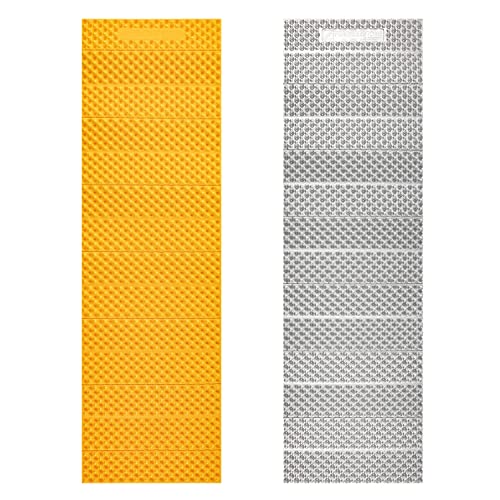
The Featherstone Cordion pad features hexagonal nodes for expanded coverage and an insulation rating of 2.1. The dual-density heat-reflective film helps trap body heat for reliable warmth. Best for: ultralight backpackers who value high coverage and steady warmth. Limitation: may be pricier than basic foam mats.
Stansport Pack Lite Camping Sleeping Pad
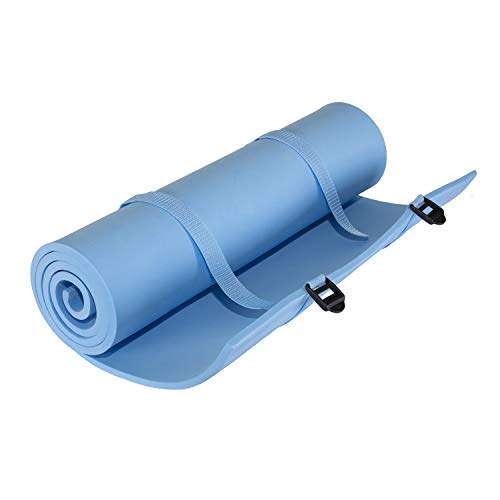
The Stansport Pack Lite uses a simple closed-cell foam construction with a compact roll-up design and included straps for easy transport. It is waterproof and puncture-proof, offering dependable protection in rugged environments. Best for: hikers seeking a low-cost, durable option. Caution: may be less comfortable on uneven ground compared with thicker foams.
Wakeman Foam Sleeping Pad
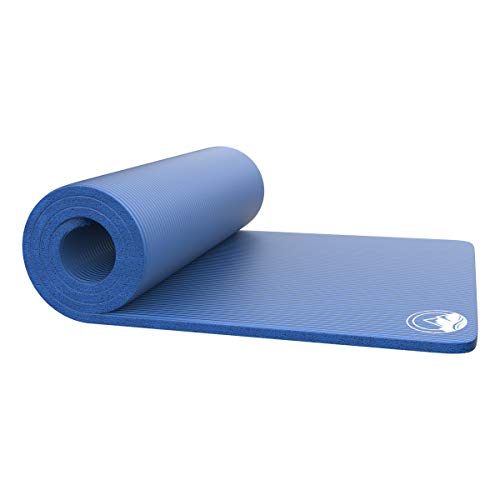
The Wakeman sleeping pad offers a 1.25-inch foam layer with a waterproof surface and carrying strap, designed for comfort on cots or tents. Best for: budget-conscious campers who want a thicker foam option for added cushioning. Limitation: heavier than ultralight foam pads, which may impact backpacking efficiency.
Buying Guide: How To Choose A Closed-Cell Sleeping Pad
- Insulation level: Look for padding with an insulation rating (R-value) around 1.7–2.1 for general outdoor use. Higher values add warmth in colder conditions.
- Weight and packability: Ultralight hikers should favor pads under 1 lb with compact folded dimensions. If you prioritize comfort, a slightly heavier pad may be worth it.
- Durability: Closed-cell foam is inherently durable and resists punctures. Consider thicker pads for rocky or uneven ground.
- Size and shape: Longer and wider pads provide more comfort but increase pack size. Nesting or foldable designs help balance space and comfort.
- Temperature and condensation: Reflective films and heat-trapping dimples can improve warmth. In damp climates, ensure the pad resists moisture impact.
- Use case: For cots or car camping, thicker and more cushioned options are sensible. For ultralight backpacking, prioritize weight and packability.
Frequently Asked Questions
- What is the main benefit of closed-cell sleeping pads? They are lightweight, durable, do not leak, and provide consistent insulation on the ground.
- Are closed-cell sleeping pads comfortable enough for all-night use? They offer reliable warmth and basic cushioning, but some users prefer thicker pads for comfort on rough terrain.
- How do I choose the right R-value? For mild or temperate nights, R-values around 1.7–2.0 are common; for very cold nights, higher values are better.
- Can I use these pads on uneven ground? Yes, but thicker pads or those with ergonomic designs will help distribute pressure more evenly.
- Do these pads work well in damp environments? Pads with reflective aluminum film can help retain warmth in damp or windy conditions.
- Are foam pads waterproof? Most closed-cell foam pads resist water and moisture, but a waterproof surface adds extra protection in damp camps.