Answer: For compact van builds, prioritize insulation, soundproofing, and efficient lighting to maximize comfort in tight spaces. This guide highlights five key products that suit small camper van conversions, helping you maintain temperature, reduce noise, and create practical lighting. Best for DIY van projects, budget-conscious couples, solo travelers, and hobbyists who want a quieter, more comfortable van interior without major structure changes.
Product quick-reference
| Product | Best For | Why It Stands Out |
|---|---|---|
| Maasechs 16in x 20ft Van Insulation | Thermal comfort in various climates | Balanced thickness and size for DIY cuts; good thermal barrier and sound absorption |
| HFYZZ 15.7in x 26.2ft Insulation Roll | Budget-friendly insulation with broad coverage | Long roll with solid thermal and acoustic performance for many van layouts |
| SM600L Camper Van Insulation | Large-area coverage and durability | Wide roll suitable for substantial van sections; sturdy, vehicle-rated |
| oyhqes 15.75in x 26ft Insulation Roll | Flexible, DIY-friendly install | Easy to cut and shape; good sound and heat insulation for tight spaces |
| acegoo LED Ceiling Light (6 Pack) | Efficient interior lighting | Ultra-slim, dimmable, high-CRI lighting that preserves headroom |
Maasechs Van Insulation

Features: 16in x 19.7ft roll, approximately 1.18 inches thick; polyester fiber insulation designed for vans; cuts to size; provides thermal barrier and sound absorption to reduce road and engine noise. Best for: DIY van builders needing a practical balance of thickness, ease of cutting, and noise reduction. Limitation: the size may require multiple runs for larger sections of a camper van.
HFYZZ 15.7in x 26.2ft Insulation Roll
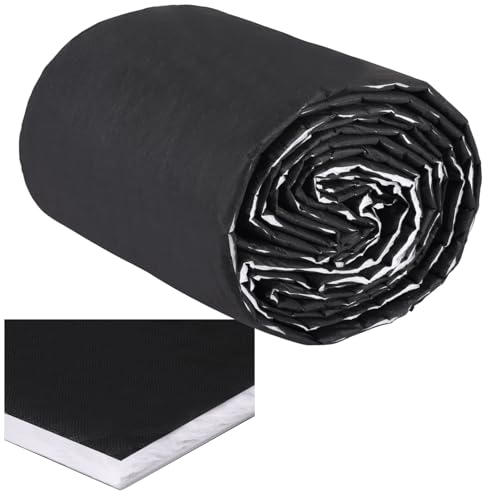
Features: 15.7-inch width, 26.2 ft length, 1.18 inches thick; thermal insulation that traps heat and wicks away moisture; excellent soundproofing by absorbing road and engine noise. Best for: van builders seeking affordable, long rolls to cover large surfaces. Caution: ensure compatibility with existing interior panels and consider moisture management in damp climates.
SM600L Insulation Roll

Features: 60″ width, 1.65″ thick; available in longer rolls (10, 20, 30, 40 ft), FMVSS 302 certified; designed for vehicles. Best for: larger van conversions or projects requiring substantial insulation layers. Limitation: very thick option may reduce space in tight areas; plan routes and thickness before installation.
oyhqes Camper Van Insulation Roll

Features: 15.75in x 26ft roll, 1.18 inch thickness; black outer layer with white inner layer; easy to cut; sound and thermal insulation; moisture-resistant, lightweight. Best for: do-it-yourself van conversions needing a flexible, easy-to-cut solution. Caution: verify available cutting tools and safety when handling fibrous materials.
acegoo 2.75″ Recessed LED Ceiling Light
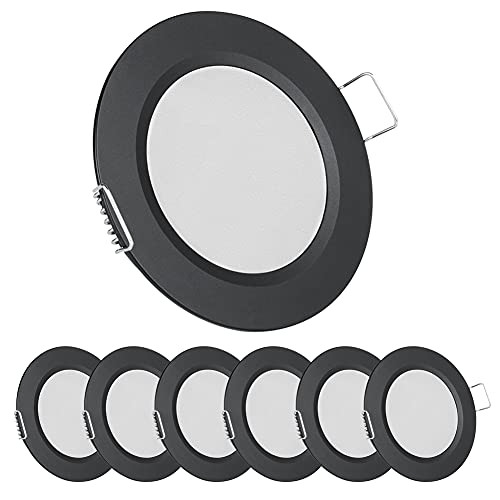
Features: Ultra-slim 2.75″ ceiling light, 12V, dimmable with CRI 90+; glare-free with frosted lens; compatible with Acegoo 12V dimmer (sold separately). Best for: improving interior lighting without sacrificing headroom in small vans. Caution: dimmer compatibility should be checked with the vehicle’s electrical system and other lighting layers.
Buying Guide: Key Considerations for Small Van Conversions
- Thermal performance: Prioritize insulation with adequate thickness and density to manage heat transfer in your climate. Combine thicker rolls with proper sealing for best results.
- Sound control: Choose insulation with sound-absorbing properties to reduce road and engine noise, increasing comfort on longer trips.
- DIY-friendliness: Look for flexible, easy-to-cut materials that fit irregular van panels and curved roof sections.
- Space and weight: Consider the thickness and overall weight of insulation to avoid excessive cargo impact; plan layout to maximize usable space.
- Electrical planning: For lighting, select slim, dimmable LED options to preserve battery capacity and headroom.
- Lighting quality: High-CRI lighting provides truer colors and better visibility inside the van, especially for cooking and organizing gear.
- Moisture management: Use moisture-resistant materials where humidity is a concern; ensure proper ventilation to avoid mold risk.
- Installation approach: Dry-fit components first, then secure with appropriate adhesives, tapes, or fasteners designed for automotive interiors.
Frequently Asked Questions
- What insulation thickness is best for a small camper van?
Answer: A combination of thickness around 1 inch to 1.5 inches works well for many vans; consider climate and available installation space to determine the final setup. - Can I insulate and finish a van interior in a weekend?
Answer: Yes, with a clear plan, budget-friendly materials, and basic tools, many small builds complete insulation and preliminary paneling in a few days. - Is LED lighting suitable for a van’s interior?
Answer: Yes. Slim, dimmable LEDs with high CRI provide efficient lighting and save space and battery power. - Should I insulate walls, floors, and ceiling equally?
Answer: Prioritize areas with the most exposure to exterior temperature changes; walls and ceiling typically receive more attention, with floors addressed as needed for comfort and moisture control. - What should I consider for moisture management in van conversions?
Answer: Use moisture-resistant materials where possible, seal joints well, and ensure proper ventilation and insulation vapor barriers to minimize condensation. - Are these products easy for a first-timer to install?
Answer: Yes, especially those designed for DIY van projects; follow product instructions and use cutting tools and adhesives appropriate for automotive interiors.