Direct answer: for reliable ground padding, choose thick, durable foam or inflatable pads that balance weight, comfort, and setup speed. This guide highlights five top pads suited for tents, cots, and ground sleepers, with clear pros, best-use scenarios, and practical cautions. Ideal buyers include backpackers needing ultralight options, car campers seeking maximum warmth, and family campers prioritizing budget-friendly durability. A quick summary table follows to compare key points at a glance.
| Product | Type | Best For | Notes |
|---|---|---|---|
| Gear Doctors Ether 17.5oz Ultralight Sleeping Pad | Inflatable | Backpackers, solo hikers | Lightweight, compact, high weight capacity |
| Stansport Pack Lite Camping & Backpacking Sleeping Pad | Closed-cell foam | Budget-friendly trekkers | Durable, waterproof, simple |
| Therm-a-Rest Z Lite Original | Closed-cell foam | General outdoor sleepers | Durable, compact, proven design |
| OGERY Sleeping Pad | Inflatable with built-in pillow | Comfort seekers, multi-day trips | Thick, built-in support |
| Wakeman Foam Sleeping Pad 1.25-Inch | Foam | Cots and extra-wide sleepers | Thick, insulating, straightforward |
Gear Doctors Ether Ultralight Sleeping Pad

The Gear Doctors Ether sleeping pad emphasizes compact, backpack-friendly comfort. When inflated, it measures up to 76 inches by 25 inches with ErgoCushion contours and supports up to 440 lb. It includes a detachable foot pump sack and an anti-leak valve system for quick inflation and deflation. Best for solo hikers who need a compact pad with substantial surface area.
Who it’s best for: ultralight backpackers who want a portable, durable pad that inflates quickly and provides ample length. Why selected: it blends a low weight with large surface area and a robust valve system for reliable setup in varied terrain.
Caution: despite a lightweight build, some users may prefer a shorter pad if space is a priority. Ensure enough interior pack space for the dedicated pump sack when fully inflated.
Stansport Pack Lite Sleeping Pad
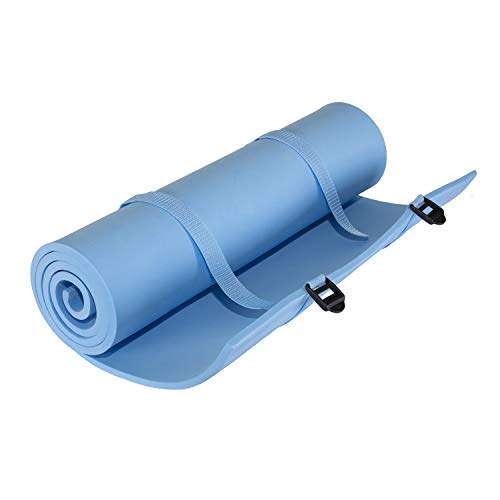
This closed-cell foam pad offers a straightforward, rugged option for hikers and casual campers. It measures 72 by 19 by 3/8 inches, designed to keep cold ground away from your body. The material is waterproof and puncture-proof, with no pump needed—simply unroll and sleep.
Who it’s best for: budget-conscious campers who want a durable, low-maintenance pad for occasional trips. Why selected: proven foam design with reliable insulation and minimal setup effort.
Caution: foam pads can be bulkier to carry for long treks; compare pack volume with inflatable options if weight is a concern.
Therm-a-Rest Z Lite Original
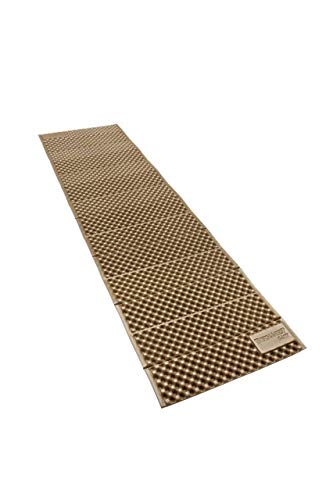
The Z Lite Original is a classic closed-cell foam pad with accordion-style folding for compact packing. It’s lightweight and durable, featuring dimples to trap heat for added warmth (R-value around 1.7). This pad is known for reliability in a wide range of conditions and budgets.
Who it’s best for: travelers needing a no-fruss setup with strong warmth-to-weight ratio. Why selected: long-standing, field-proven design that stores flat for easy carry.
Caution: not as cushioned as foam thickness or inflatable options; less comfort on uneven ground over long nights.
Flantree Thick Camping Sleeping Pad

Flantree’s thick pad uses fluffy polyester padding for a cloud-like feel. At 75 by 28 inches, it’s wider and thicker than typical pads, with elastic corner straps to keep it in place. Weighing about 4 lbs, it balances comfort and portability for car camping or vehicle-accessible trips.
Who it’s best for: campers who value extra warmth and surface area without needing a premium inflatable system. Why selected: soft touch and secure fit on varied surfaces.
Caution: heavier than ultralight options; carry space is a consideration for true backpackers.
Wakeman Foam Sleeping Pad 1.25-Inch Thick
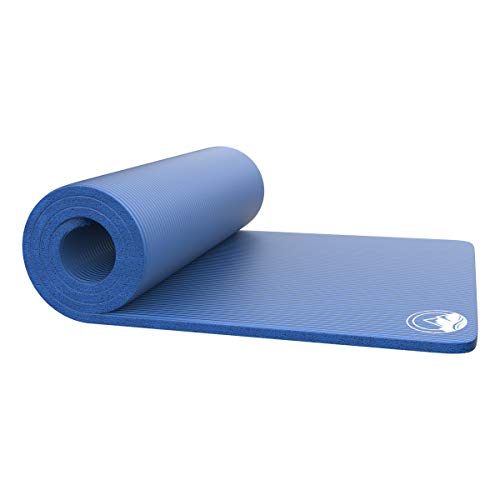
This 1.25-inch-thick foam pad offers robust insulation and a non-slip surface to prevent shifts on cold, damp ground. At 72 inches long and 9 inches rolled, it provides substantial comfort for cots, tents, or sleepovers. It’s a practical choice for family camping or overnight visits where quick setup matters.
Who it’s best for: campers needing a thick, durable foam pad that’s easy to roll and carry. Why selected: combines warmth, stability, and broad compatibility with different sleeping setups.
Caution: heavier than some inflatable options; plan for storage in a vehicle or pack if you’re hiking light.
Buying Guide: Key Considerations For Sleeping Pad Ground Pads
- Pad type: Closed-cell foam pads are rugged and simple, while inflatable pads offer superior comfort and adjustability. Consider your packing weight tolerance and terrain.
- Thickness and insulation: Thicker pads typically provide more cushion and warmth. Look for R-values or warmth notes for cold nights.
- Size and weight: Match pad length to your height and assess packed size. Backpackers prioritize lighter, smaller packs; car campers may opt for larger, more comfortable options.
- Durability: Foam pads resist punctures; inflatable pads require puncture prevention strategies and maintenance supplies.
- Setup and maintenance: Some pads inflate via built-in pumps; others require separate pumps. Consider ease of cleaning and repair options.
- Best-use scenarios: For tents and cots, a thicker, more stable pad is beneficial. For ultralight journeys, a compact inflatable or foam pad can save weight.
Frequently Asked Questions
- What pad is best for cold ground? Look for pads with higher insulating value (R-value) and thicker foam or inflatable designs with heat-reflective layers.
- Are inflatable pads better than foam? Inflatable pads offer more comfort and adapt to uneven ground, while foam pads are more durable and easier to repair on the trail.
- How do I choose sleep pad size? Prefer a pad about 2-4 inches longer than your height and wide enough for your sleeping position.
- Can I use a sleeping bag with any pad? Yes, most sleeping bags pair well with pads; ensure the pad size fits in your sleeping area inside the tent.
- Should I buy a pad with a pump? Built-in or included pumps speed inflation and deflation, which is convenient after long days of hiking.
- Is a thicker pad worth the extra weight? If you prioritize warmth and comfort in cold or hard ground, thicker pads can justify the added weight.