Find the right bug out bag for fast, reliable emergency response. This guide highlights five high‑value options that balance durability, storage, and readiness for different scenarios. Best for: multi-person kits, solo travelers, families, and anyone needing a go bag with clear, actionable equipment lists. The top picks are chosen for rapid access, portability, and practical survival gear that covers food, shelter, and basic medical needs.
| Product | Best For | Why It Stands Out | Approximate Package |
|---|---|---|---|
| Sirius: Pre-Packed Bug Out Bag | Two-Person Readiness | Premium 50L pack with pre-packed essentials for quick grab-and-go | 2‑Person Backpack, 72 Hours |
| ReadyWise 7 Day Emergency Food Supply | Extended Food Security | 60 servings with up to 25-year shelf life; organized, tactical design | Bug Out Backpack Kit |
| EVERLIT 72 Hours 3 Day Earthquake Kit | Family Ready for Disasters | All-in-one kit with food, water, medical supplies in a heavy-duty pack | 72 Hours for 2 People |
| Grizzly Gear Emergency Food Rations | POI: Short-Term Calorie Boost | 3600 total calories, 5-year shelf life, ready-to-eat | 3 Pack or 1 Pack Options |
| Mart Cobra Emergency Sleeping Bag (3 Pack) | Lightweight Shelter Layer | ULTRALIGHT Mylar bivy option, full body coverage, waterproof | 3 Pack Family/Group Pack |
Note: All products are suitable for quick access and integrated into a go-bag setup. The selections emphasize portability, durability, and practical survival coverage—shelter, warmth, water, food, and basic medical needs.
Sirius: Pre-Packed Bug Out Bag

The Sirius bug out bag is designed for ready-to-go deployment in emergencies. It uses a high-density 900D Oxford 50L tactical backpack for durability and weather resistance. The kit includes a complete bug out list and pre-packed essentials, making it a strong choice for anyone who wants a ready-made, grab-and-go option. Best for households that want a comprehensive kit without assembling gear piece by piece. Limitations include limited information on exact item-by-item counts within the kit.
ReadyWise 7 Day Emergency Food Supply

This kit provides 60 servings of freeze-dried meals with up to 25 years of shelf life. The rugged tactical design helps organize gear for quick access, and the included containers and pouches contribute to easy long-term storage. Best for people who want a long-lasting food reserve and clear organization in a single backpack. Choose this if you need substantial ready-to-eat meals without cooking. A potential drawback is the emphasis on prepared meals over other essential non-food items.
EVERLIT 72 Hours Earthquake Emergency Kit

This kit targets family readiness with a heavy-duty backpack and a comprehensive set of supplies for 72 hours. It includes water, food, first aid, and essential tools. Best for families or households seeking a complete, grab-and-go bundle. It’s a strong all-in-one option, but buyers should verify the specific medical and hygiene contents to match personal needs.
Grizzly Gear Emergency Food Rations
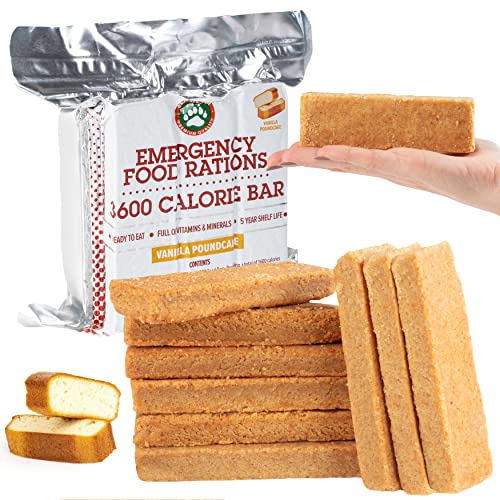
Grizzly Gear provides 3600 calories in a vanilla poundcake flavor, designed for emergency consumption with a long shelf life. Best for situations where quick, ready-to-consume calories are a priority and storage space is available. Choose this when you want a simple, no-prep energy option. Avoid if you need a broader nutritional balance beyond calories.
Emergency Sleeping Bag 3 Pack – Mart Cobra

These 3-pack emergency sleeping bags are designed for full-body warmth and compact storage. They use Mylar foil for heat retention and include a bivy sack for quick access. Best for lightweight shelter layering or as an emergency blanket in a grab-and-go bag. A limitation is that Mylar-based bags provide warmth but are not a substitute for proper shelter in severe weather.
Buying Guide: Key Considerations For Bug Out Bags
- Purpose and scenario planning: Determine whether you need a two-person pack, family-wide kit, or personal solo kit for rapid response to storms, earthquakes, or evacuations.
- Storage and weight: Prioritize packs with balanced load distribution, durable zippers, and weather resistance. Aim for a bag you can carry comfortably for at least several hours.
- Food and water strategy: Consider shelf life, caloric content, and ease of preparation. A mix of ready-to-eat foods and beverage options helps cover different scenarios.
- Shelter and warmth: Include emergency blankets or bivy covers, plus some form of signaling and insulation. Mylar bivy bags are lightweight but should be paired with real shelter in cold conditions.
- Medical and safety basics: A compact first-aid kit, sterile tools, and a tourniquet are valuable. Evaluate the kit’s scope and whether additional items are needed for household needs.
- Durability and reliability: For long-term storage, materials should resist wear and tear and maintain functionality after exposure to moisture or dust.
- Upgrade path: If starting from scratch, consider a modular approach—begin with a solid bag, then add food, water, and tools over time based on local risks and family size.
FAQ
- What is a bug out bag best used for?
It is designed for rapid deployment during emergencies, providing essential gear, food, and shelter to help you reach safety quickly.
- How many days of supplies should I include in a bug out bag?
Many options target 72 hours, with some kits offering 3–7 days of supplies. Choose based on local risks and travel distance to safety.
- Should I buy a pre-packed kit or assemble my own?
Pre-packed kits save time and ensure a balanced set of essentials. Assembling your own can tailor gear to personal needs, climate, and family size.
- What is the role of food in a bug out bag?
Food provides energy and endurance during evacuations. Freeze-dried meals and ready-to-eat rations offer flexibility for varying scenarios.
- How important is water care in a bug out bag?
Hydration is critical. Include water filtration or purification options and sufficient water for the expected duration until access to safe water is possible.
- What about medical supplies?
Include a basic first-aid kit and items addressing common injuries. Consider adding items tailored to household needs (medications, backups, etc.).