When choosing a lightweight sleeping bag for hiking, you want gear that packs small, keeps you warm, and survives unpredictable conditions. This guide highlights five top options that balance weight, warmth, and weather resistance for a range of hikers. Best-for profiles help you select according to your trip type: weekend hikers needing quick-dry gear, year-round trekkers seeking versatile packs, and families or casual campers who want extra room without bulk. The table below offers a quick comparison of the featured bags to help you decide at a glance.
| Product | Best For | Key Benefit |
|---|---|---|
| ECOOPRO Portable Sleeping Bag | Backpacking, minimalist packs | Ultra-lightweight with compression sack |
| Sleeping Bags for Adults Backpacking (JEAOUIA) | Three-season comfort | Roomy cut with hood and foot zipper |
| ECOOPRO Warm Weather Sleeping Bag | Warm-weather backpackers | Lightweight, compact, weatherproof |
| Teton Trailhead Sleeping Bag | Cold-season reliability | Hooded mummy design with draft protection |
| Naturehike Lightweight Compact Sleeping Bag | Travel and backpacking | Ultralight, compact, roomy for size |
ECOOPRO Portable, Waterproof, Lightweight Sleeping Bag
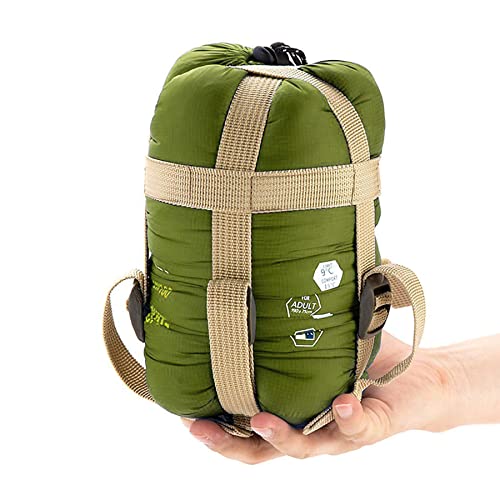
Best for ultralight backpackers who want a compact, weatherproof option. The outer nylon is waterproof and durable, with a breathable polyester lining for skin comfort. The bag’s temperature range targets cool-to-mild nights, making it a solid three-season choice. Its envelope design folds down to about 11 inches in height and weighs roughly 1.7 pounds, maximizing pack space for minimalist trips.
- Outer material: Waterproof nylon; lining: breathable polyester
- Temperature range: about 55–60℉ comfort
- Size: 83″ x 30″; compresses to 11″ x 1.7 lbs
Who it’s for: hikers who prioritize ultra-compact packing and weather resistance. Caution: colder nights may require additional insulation or layering, as the bag targets mild cool conditions.
Sleeping Bags for Adults Backpacking Lightweight Waterproof (JEAOUIA)

Best for campers who want extra room and a three-season range. This bag offers generous dimensions (up to about 5’11” in height), hood tightening, and a foot zipper to vent or seal as needed. It uses a combination of outer waterproof/breathable fabrics and a soft inner lining, delivering a balance of warmth and comfort at an affordable price.
- Features: roomy size; hood drawstring; foot zipper
- Temperature design: 50℉–68℉ (10℃–20℃); limit around 41℉–77℉
- Stitching and material noted as neat and comfortable
Who it’s for: hikers who want a roomy yet light three-season bag with practical features. Caution: ensure your height aligns with the bag’s maximum fit before purchase.
ECOOPRO Warm Weather Sleeping Bag
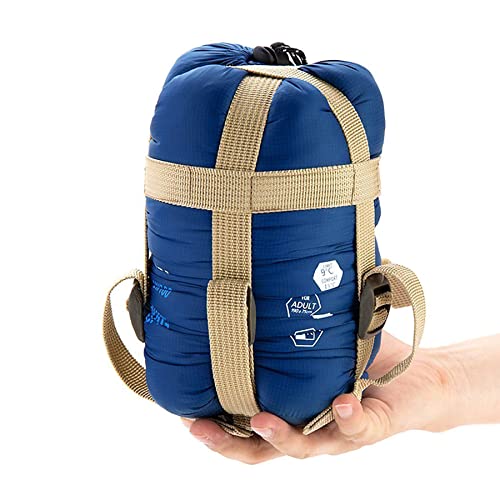
Best for backpackers who need lightweight warmth in mild climates. With a similar construction to ECOOPRO’s other models, this bag emphasizes a warm-weather comfort range and an envelope-style roll. The compact carry solution and a 83″ x 30″ footprint fit many adults, while the same weight-friendly profile supports day-long treks or overnight trips in temperate environments.
- Weatherproof and weather-tough design
- Same compact roll and 1.7 lb weight class as other ECOOPRO bags
- Temperature range: 55–60℉ comfort
Who it’s for: hikers who camp in dry, warm-to-mild nights and want quick setup. Caution: not ideal for low-temperature camping without extra insulation.
Teton Trailhead, 20 Degree Sleeping Bag

Best for cold-weather hikers who still want a lightweight option. The mummy-style design includes a hood and draft tube to trap heat, while the vaulted footbox and soft liner improve nighttime comfort. It is designed for easy packing with a dedicated compression sack, so the bag remains compact after stuffing.
- Hooded mummy shape with draft protection
- Insulation balances warmth and weight
- Compressible design for backpacking
Who it’s for: hikers facing cooler nights or narrower temperature swings. Caution: heavier than pure ultralight models, which may affect pack weight on long treks.
Naturehike Lightweight Compact Sleeping Bag

Best for travelers and hikers who need an ultralight, space-saving bag without sacrificing room. It weighs around 1.68 pounds and packs down to a compact size. The generous dimensions (80.7″ x 33.5″) provide comfortable movement for most adults. The bag uses a lightweight fill to keep the weight low while maintaining warmth for typical camp nights.
- Ultra-lightweight and compact design
- Roomy enough for average adults or children
- Ideal for backpacking and travel scenarios
Who it’s for: hikers who prioritize extreme packing efficiency and easy transport. Caution: ensure the temperature rating aligns with your trip season and personal warmth needs.
Buying Guide: Key Considerations for Lightweight Sleeping Bags
What should you look for when selecting a lightweight sleeping bag for hiking?
- Weight vs. warmth: Balance bag weight with its temperature rating. For high-alpine treks, you may want a bag rated lower than the chilly night temperatures. For warm-weather trips, lighter bags often suffice.
- Shell and lining materials: Waterproof or water-resistant shells protect against moisture; breathable linings prevent overheating and skin irritation.
- Packability: Look for envelope or mummy styles that compress into a small sack. Check the packed dimensions to ensure it fits your backpack’s volume.
- Size and fit: Ensure the bag length and width accommodate your height and shoulder width. A bag that’s too tight can limit circulation and comfort.
- Closure features: Zippers with draft tubes reduce heat loss. Hood pull strings help retain warmth on cooler nights.
- Durability: Seams, stitching, and zippers influence long-term performance. Consider bags with reinforced seams for rugged use.
- Weather versatility: Three-season bags offer broad usability, while dedicated cold-weather or warm-weather bags suit specific conditions.
FAQ
- Q: What is the lightest sleeping bag suitable for hiking? A: Look for ultralight models around 1.5 pounds with compact packed sizes, designed for mild nights.
- Q: Do I need a sleeping bag liner? A: Liners can add warmth and improve hygiene, but aren’t essential if your bag already matches your climate needs.
- Q: How should I choose a bag for spring and fall camping? A: Pick a three-season bag that covers typical night temperatures for those seasons, with an option to layer for extra warmth.
- Q: Can I use a rectangular bag for hiking? A: Rectangular bags offer more space but are bulkier; for hiking, consider a mummy or semi-rectangular design for better compression.
- Q: What about down vs. synthetic insulation? A: Down offers warmth-to-weight advantages in dry conditions; synthetic performs better when moisture is likely and dries faster.
- Q: How important is a compression sack? A: Compression sacks help reduce pack volume and protect insulation during transport, making it easier to carry.