Searching for a waterproof sleeping bag liner that keeps you dry, comfortable, and clean while traveling or camping? This guide highlights five top options designed for lightweight packing, easy washing, and versatile use in hostels, hotels, and outdoor trips. Each pick is explained for who it’s best for, with practical reasons to choose or avoid. Ideal for backpackers, solo travelers, families on lodge trips, and anyone prioritizing hygiene and compact gear.
Quick product snapshot
- Naturehike 4.5oz Ultralight Washable Sleeping Bag Liner (Green) — ultralight, machine washable; best for ultra-light backpackers.
- 3F UL Gear Tyvek Sleeping Bag Cover Liner (A Type) — extremely lightweight, moisture control; best for minimalist travelers.
- Frelaxy Ultralight Sleeping Bag Liner — breathable, silky-soft feel; best for comfort-focused travelers.
- 3F UL Gear Tyvek Sleeping Bag Cover Liner (B Type) — compact options with moisture management; best for travelers needing flexibility in size.
- Frelaxy Sleeping Bag Liner (Dark Gray) — roomy, easy care, with pillow pocket; best for families or comfort-minded travelers.
Naturehike Ultralight Cotton-Feel Liner (Green)

This ultralight liner weighs about 4.5 ounces (128 grams) and folds compactly for travel. Unfolded, it measures 80×210 cm (31.5×82.7 in); stowed size is 6×15 cm (2.4×5.9 in). It is machine washable and designed for use in hostels, hotels, camping, or backpacking to protect skin from direct contact with shared items. Best for ultra-light backpackers who still want a clean sleeping surface.
Best for: Ultra-light backpackers and solo travelers who prioritize minimal weight and easy washing. Limitations: The liner is thinner, so it may offer less insulation than heavier options.
3F UL Gear Tyvek Liner – Type A

Available in Type A (180 cm by 80 cm) and Type B (230 cm by 90 cm), Tyvek liners are super light, compact, and designed to prevent condensation while allowing ventilation. Weighs 130 g (Type A) or 200 g (Type B). Made from DuPont Tyvek, these liners are ideal for travelers seeking moisture resistance and a highly packable option. Best for minimalist travelers who want a simple, durable moisture barrier.
Best for: Light travelers needing a compact, moisture-control liner. Limitations: Tyvek fabrics are less plush than cotton or microfiber liners, which may affect feel on skin.
Frelaxy Ultralight Liner – Lightweight And Compact
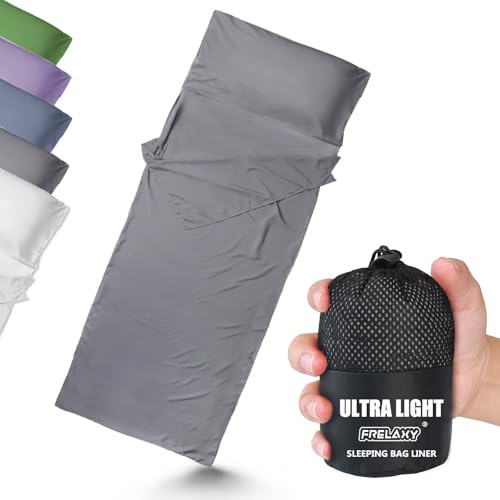
Frelaxy’s liner emphasizes weight savings with three size options delivering 196 g, 257 g, or 310 g depending on the chosen size. It’s designed to feel breathable and silky soft, with a pillow sleeve for extra comfort. The liner is easy to machine wash and quick to dry, making it practical for frequent travelers who value a home-like sleep surface on the road.
Best for: Travelers who want a luxurious feel without the bulk. Limitations: Some users may find the material less durable than heavier fabrics in rugged environments.
3F UL Gear Tyvek Liner – Type B
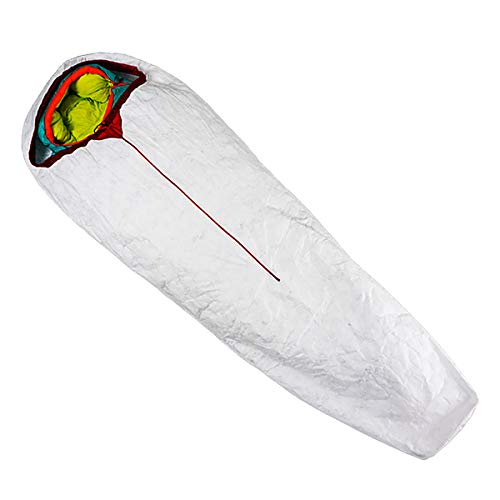
This Type B Tyvek liner provides an extended size (230×90 cm) for larger sleepers or shared use with a child, with the same ultralight design and moisture-control features as Type A. Weighs about 200 g. Best for families or travelers who need extra room while maintaining a compact form factor.
Best for: Those needing a larger, flexible liner without adding bulk. Limitations: Slightly heavier than Type A, and feel may be less plush than fabric-based liners.
Frelaxy Dark Gray Sleeping Bag Liner

With a roomy 84.6″ x 33.4″ size, this liner provides extra space and includes a 13.7″ x 33.4″ pillow pocket. Made from 100% polyester for warmth and breathability, it’s ultralight for summer camping and easy to care for. The design supports a home-like sleep setup and is suitable for both adults and kids when traveling.
Best for: Families or travelers seeking more space and an integrated pillow pocket. Limitations: Polyester dries quickly but may not offer the same feel as premium brushed fabrics.
Buying Guide: How To Choose The Right Waterproof Sleeping Bag Liner
- Weight vs. warmth: Ultralight liners minimize weight but may offer less insulation. If you camp in cool nights, pair with a warmer sleeping bag or choose a slightly heavier liner.
- Fabric type: Tyvek liners are extremely lightweight and moisture resistant; fabric-based liners (polyester, nylon) offer more softness but may add weight. Consider skin sensitivity and wash frequency.
- Size and fit: Check your typical sleeping bag or bed size. Type A liners fit most adult sleepers; Type B options provide extended length for bigger users or sharing scenarios.
- Maintenance: Machine-washable liners simplify cleaning after hostel stays or camping trips. Quick-dry fabrics reduce downtime between uses.
- Packability: For backpacking, prioritize compact folded dimensions and light weight. For hotel stays, a larger, more comfortable liner may be preferable.
How To Use A Sleeping Bag Liner Effectively
- Use liners to improve hygiene by creating a barrier between you and shared sleeping surfaces.
- Wash liners regularly to maintain cleanliness, especially after hostel or hotel stays.
- Choose a liner with a built-in pillow sleeve or extra length if you prefer added comfort during long trips.
FAQ
- Q: Are sleep liners waterproof? A: Most liners add a moisture barrier and help prevent dampness, but they are not fully waterproof. Pair with a proper sleeping bag in rain-prone environments.
- Q: Can liners replace a sleeping bag? A: They can supplement warmth and cleanliness, but are not a complete substitute for appropriate insulation in cold conditions.
- Q: How do I wash sleeping bag liners? A: Most are machine washable; follow the care label. Air dry to preserve fabric integrity.
- Q: Which liner is best for backpacking? A: The ultralight Tyvek or nylon liners are typically best for weight-conscious travelers, offered in Type A or compact sizes.
- Q: Are these suitable for kids? A: Many liners offer extra length and room, which can accommodate kids or multiple users in shared accommodations. Check specific dimensions before purchase.
- Q: Do liners affect sleeping bag warranties? A: Liners rarely affect warranties, but always check your gear’s warranty terms if you use rental or shared gear.