Looking for a reliable winter sleeping bag for backpacking? This guide highlights five solid choices suited for cold nights, varied durability, and compact packing. Each option targets different hikers—from budget-conscious trekkers to tall campers seeking extra space. Read on to compare warmth, weight, compression, and fit so you can pick the best bag for your next cold-weather adventure.
Buyer-friendly quick reference:
- TETON Sports Teton Trailhead — Best for lightweight warmth on multi-day trips.
- 1TG Tactical Mummy Sleeping Bag — Best for tight budgets with dependable warmth.
- rioyalo 0 Degree Winter Bag — Best for big and tall sleepers needing extra space.
- Bessport Mummy Bag — Best for balance of warmth, portability, and durability.
- SOULOUT 3-4 Season Bag — Best for versatile warm-weather-to-cold-weather use.
Product Comparison Snapshot
| Product | Temperature Range / Season | Key Benefit | Best For |
|---|---|---|---|
| TETON Trailhead | 20°F | Lightweight loft and efficient insulation | Backpacking enthusiasts who want warmth without excess weight |
| 1TG Tactical | 25–36°F | Snug mummy hood and compact packability | Budget-minded hikers needing reliable warmth |
| rioyalo 0 Degree | 5–32°F (rated) | Very long, roomy design for tall users | Big and tall campers needing extra space |
| Bessport Mummy | 15–45°F | Warmth with a durable, washable shell | Everyday winter camping with durable fabric |
| SOULOUT 3-4 Season | All-season suitable | Water-resistant shell and high loft insulation | Families or multi-season travelers |
TETON Trailhead 20 Degree Sleeping Bag

The TETON Trailhead is a mummy-style bag designed for warmth with a hood that helps seal heat around the head and face. It features a zipper draft tube and a vaulted footbox to enhance comfort in cold camps. The liner is double-brushed for a soft, breathable nights’ sleep. Weighing light enough for backpacking, this bag emphasizes loft and compressibility thanks to microfiber insulation. A durable compression sack supports easy packing and re-stuffing. Best for campers who prioritize warmth-to-weight ratio in shoulder-season and winter trekking.
Who this is best for: hikers seeking a reliable, lightweight bag for cold nights without sacrificing pack space. Why selected: it offers targeted features for warmth, breathability, and easy packing. Caution: as a 20°F bag, it’s most comfortable with proper insulation layering in extreme cold—consider a liner or warmer clothing for sub-freezing nights.
Mummy Sleeping Bag for Adults, 25℉-36℉

This bag provides a snug mummy hood, an insulated collar, and a zipper draft tube to block cold winds. With a stated warmth range of 25–36°F, it uses 250 g/m² hollow fiber insulation to trap body heat efficiently. It weighs in around 3.88 lbs and compresses into a compact sack for backpacking. Best for: travelers who need dependable warmth at a modest weight and price. Why selected: strong warmth-to-weight ratio and compact packing. Caution: temperature ratings are estimates; real-world comfort depends on clothing and humidity.
rioyalo 0 Degree Winter Sleeping Bag

Designed as a roomy, tall-friendly option, this bag extends warmth to a wide user group. It weighs about the stated 5 pounds (packed) and uses an oversized footprint with extra length for comfort. The shell is 210T waterproof and windproof, paired with a 450GSM micro-fiber fill to balance warmth with mobility. Best for: big or tall campers who need extra space and reliable cold-weather performance. Why selected: large dimensions and solid warmth-to-weight deliver comfort for larger hikers. Caution: heavier than some ultralight bags, which may affect pack weight on long trips.
Bessport Mummy Sleeping Bag
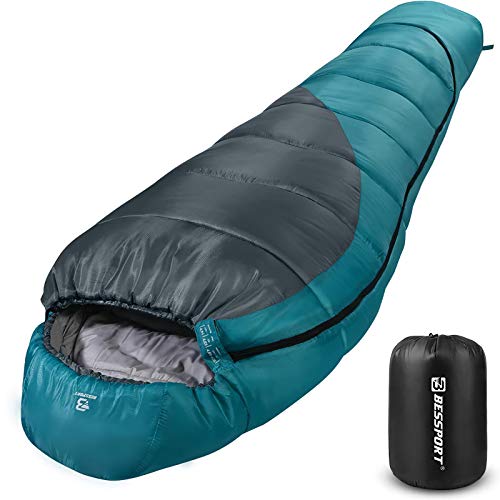
The Bessport bag offers 15–45°F warmth with a practical, compact design. It features a drawstring hood to trap heat and a durable ripstop shell to resist wind and moisture. The overall weight is manageable for a 3-4 season bag, and the design supports comfortable sleep for most adults up to 6’6″. Best for: campers seeking versatile winter-to-spring use with reliable insulation. Why selected: blends warmth, durability, and easy maintenance. Caution: the pack can be bulkier than lighter mummy bags when fully packed.
SOULOUT 3-4 Season Sleeping Bag

The SOULOUT bag is marketed as a flexible 3-4 season option with a water-resistant outer shell and thick insulation. It aims to cover spring, fall, and cool summer nights, making it a multifunctional choice for varied climates. Best for: families or multi-season travelers who want one bag that adapts to several conditions. Why selected: wide temperature range and durable outer fabric. Caution: temperature claims are general guidelines; individual comfort will vary with wind exposure and humidity.
Buying Guide: Key Considerations for Winter Backpacking Sleeping Bags
How cold will you camp? Match the bag’s temperature rating to the average overnight lows you expect. Layer with clothing or a liner for extra warmth in extreme conditions.
How much weight and space can you carry? If you hike long distances, prioritize lightweight insulation and a compact compression sack. If you camp closer to roads or need more space, a roomier bag may be preferable.
What shape best fits you? Mummy bags save weight and maximize warmth, while rectangular or semi-rectangular designs offer more shoulder room and mobility for side sleepers.
How durable should it be? Look for shells with water resistance and ripstop fabrics to withstand wind, moisture, and rough terrain. A robust zipper and draft tube matter for windy nights.
How easy is maintenance? Machine-washable lining and simple cleaning processes save time after trips. Drying speed and care instructions influence long-term performance.
FAQ: Quick Answers for Winter Sleeping Bags
- What does a 20°F bag feel like? It typically tolerates cool-to-cverycold nights with proper layering; add a liner for extra warmth.
- Are larger bags just heavier? Often, yes. Tall or wide bags add bulk and weight but offer comfort for bigger sleepers.
- Is a mummy bag colder than a rectangular bag? Not necessarily; it depends on insulation and sealing around the head and neck.
- Can I use a 3-4 season bag in winter? In mild winters, yes, but in extreme cold, pair with proper clothing and a high-quality pad.
- Should I choose a waterproof shell? If you expect rain, dew, or damp nights, a water-resistant shell improves protection.
- Do I need a separate compression sack? Many bags include one, but upgrading to a high-quality sack can improve packing efficiency.