Answering your search for a reliable 40 degree backpacking sleeping bag, this guide highlights top picks that balance warmth, weight, and packability for 3-season outings. The best options suit minimalist hikers who want compact gear without sacrificing comfort. The top picks below are best for: ultralight hikers seeking compact warmth (Kelty Cosmic), budget-conscious campers needing dependable insulation (Kelty Mistral), and versatile sleepers who want reliable performance in variable shoulder-season conditions (SOULOUT, ONETIGRIS). A quick buying table follows the introductions to help you compare at a glance.
| Product | Core Strength | Best For | Limitations |
|---|---|---|---|
| Kelty Cosmic Synthetic Fill 40 Degree (2026) | Synthetic Cirroloft insulation; compact with integrated compression sack | Ultralight backpackers needing reliable warmth down to 40°F | Non-compressed size is larger than ultralight ultracompact designs |
| Kelty Cosmic Synthetic Fill 40 Degree (2022) | Same Cirroloft insulation; lightweight build | Backpacking trips where minimalism matters | Similar to 2026 version; check exact weight if memory serves |
| Kelty Mistral Down Sleeping Bag (40 Degree) | 550 fill power budget down; weather-resistant shell | Budget-friendly warmth for 3-season camping | Down may require care in damp conditions |
| SOULOUT 3-4 Season Sleeping Bag | Soft interior; water-resistant shell | All-season camping where weather varies | 3-4 season design may be bulkier than dedicated 40°F bags |
| ONETIGRIS Bushcrafter’s Sleeping Bags | 3-season mummy style; water-repellent outer shell | Spring–Fall treks requiring compact warmth | Mummy shape might feel snug for some |
Kelty Cosmic Synthetic Fill 40 Degree Backpacking Sleeping Bag (2026)
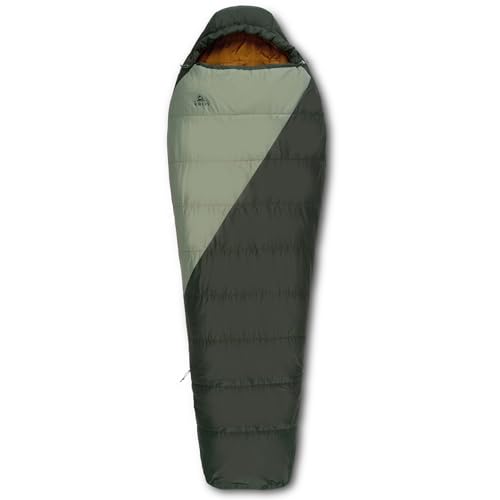
Best for minimalist backpackers who need reliable warmth without excess weight. This bag uses Cirroloft synthetic insulation to maintain loft and even coverage, reducing cold spots. The regular size fits sleepers up to 6 feet, and an integrated compression stuff sack enhances packability. Although the trail weight can vary with temperature rating, the design emphasizes compactness and fast dry times in damp conditions. Suitable for hikers who prioritize a balance of warmth and a small pack footprint.
Who it’s best for: hikers who want a dependable 40°F bag with synthetic insulation and a compact carry. Why selected: it offers consistent warmth in wet or dewy environments, with proven compression and a lightweight build.
Caution: synthetic insulation can be slightly heavier than comparable down designs at similar temperature ratings. Ensure you have adequate loft before departure in cold conditions.
Kelty Cosmic Synthetic Fill 40 Degree Backpacking Sleeping Bag (2022)

Best for travelers who want a near-identical performance profile to the newer version with slightly different packaging. Features mirror the 2026 model: Cirroloft insulation, 40-degree rating, and integrated compression sack. The regular fit accommodates sleepers up to 6 feet, and packability remains a highlight. This choice suits buyers comparing model years for value while maintaining 40°F warmth in damp or cold trail mornings.
Who it’s best for: budget-conscious buyers comparing year-to-year Kelty Cosmos. Why selected: the two versions share core warmth and compressibility, allowing flexible shopping without sacrificing warmth.
Caution: verify current weight and pack size if you’re building a minimalist kit around precise space constraints.
Kelty Mistral Down Sleeping Bag (40 Degree)

Best for campers who want down warmth at a budget-friendly price. The Mistral uses 550 fill power budget down with a durable 190T shell and liner. The quilt-pattern stitch aims for even insulation distribution, reducing cold spots. This bag is lighter on a per-warmth basis than some synthetic designs, making it a solid option for cooler, dry nights on the trail.
Who it’s best for: cost-conscious hikers who still want high warmth retention. Why selected: down insulation provides excellent warmth-to-weight, especially in dry conditions.
Caution: down insulation loses insulating value when wet; consider dry storage or a rain plan in damp environments.
SOULOUT 3-4 Season Sleeping Bag

Best for all-season camping where weather can swing between cool and mild nights. The SOULOUT bag emphasizes a water-resistant outer shell and soft interior lining, with thick insulation aimed at versatile warmth. It is a practical pick when you need a single bag to cover a broader temperature range without swapping gear between summer and shoulder seasons.
Who it’s best for: campers seeking a flexible, 3-4 season option for variable climates. Why selected: practical coverage across seasons with a protective shell.
Caution: 3-4 season models can be bulkier; ensure your pack has space for the bag’s size when compressed.
ONETIGRIS Bushcrafter’s Sleeping Bags

Best for campers who prefer a mummy design with reliable weather resistance for three-season use. The outer shell uses a water-repellent fabric, with a pongee inner lining and polycotton filling that offers durability and quick dry times. The mummy shape often fits closer to the body, improving heat retention in cooler conditions.
Who it’s best for: hikers who want a rugged, compact-when-stuffed bag for shoulder-season use. Why selected: robust shell and efficient design suit variable conditions.
Caution: mummy cuts can feel snug for larger sleepers or those who move a lot in their sleep.
Buying Guide: Key Considerations For A 40 Degree Backpacking Bag
What to prioritize when choosing a 40°F bag: warmth-to-weight ratio, insulation type, and packability. Synthetic insulation stays warmer when damp, while down offers superior warmth for weight in dry conditions. Consider the bag’s shape: mummy bags conserve heat but may feel restrictive; rectangular or semi-rectangular shapes offer roomier comfort. Look at the shell material for water resistance if you’ll be camping in dew or light rain. Check the included compression sack or packing method to ensure it fits your pack space.
How to pick for your climate: for humid, damp environments, synthetic options like the Kelty Cosmic provide reliable warmth without the care needed by down. If you camp in dry, cool nights, a down bag like the Mistral delivers efficient warmth with lighter weight. For travelers on a budget, the SOULOUT and ONETIGRIS choices offer versatile, multi-season performance that can cover shoulder-season trips without additional gear.
Size and fit questions: taller sleepers should verify length ratings and consider long/regular options. If you sleep with a lot of tossing, a bag with extra width or a semi-rectangular cut could improve comfort. Always test the zipper orientation and the hood area (if present) to ensure a snug fit around the neck and head for cold nights.
Frequently Asked Questions
- What temperature rating should I trust for 40°F comfort? Look for bags labeled 40°F or 4°C with tested loft and insulation type to estimate warmth under typical conditions.
- Is synthetic insulation better than down in damp conditions? Yes. Synthetic insulation maintains warmth better when wet and dries faster, making it a safer choice in damp environments.
- How important is packability for a backpacking bag? Very important. A compact bag saves weight and space in your pack, enabling easier carry on longer trips.
- Should I choose a mummy or rectangular bag for 40°F? Choose a mummy bag for maximum heat retention and lighter weight; choose a rectangular bag if you want more room and easier movement at the cost of warmth.
- Can I use a 40°F bag in winter camping? It depends on the environment and your layering. You may need additional insulation, such as a sleep liner or an underquilt, for consistently cold nights.
- What should I consider about the bag’s shell material? Look for durable, water-resistant outer fabrics if you expect dew, mist, or light rain to reach your gear.