When you need reliable warmth in extreme cold, these sleeping bags are designed for serious winter use. This guide targets campers, mountaineers, and cold-weather hikers who require comfort and protection in subzero conditions. Each product is assessed for warmth, size, and practical usability in very cold nights. The top choices balance insulation, compactness, and ease of use for different body types and camping styles.
| Product | Best For | Notes |
|---|---|---|
| HiZYNICE Sleeping Bags for Adults XXL Cold Weather | Big & Tall Sleepers | Extra space and full-shoulder warmth |
| Coleman Brazos Sleeping Bag, 20°F | Mid-Altitude Cool-Weather Camping | Warmth with no-snag zipper |
| Coleman Brazos Sleeping Bag, 30°F | Moderate Cold Nights | Lightweight option with good draft protection |
| KingCamp Double Sleeping Bag | Couples and Side-by-Side Comfort | 100% cotton flannel interior |
| Coleman North Rim 0°F | Extreme Cold solo camping | Zero-degree rated with adjustable hood |
HiZYNICE Sleeping Bags for Adults XXL Cold Weather

Best for big and tall sleepers who want extra room without sacrificing warmth. This XXL sleeping bag measures 90″ x 39″ and is designed to accommodate adults up to 6 ft 7 in tall. The interior can feel more spacious for side sleepers or those who need extra shoulder space in very cold nights.
Why chosen: It offers generous dimensions, reducing restriction while maintaining insulation. Best for: tall campers who prefer extra space and a cozy feel in cold environments. Caution: The oversized fit may add bulk for compact packers and travelers seeking ultra-light gear.
Coleman Brazos Sleeping Bag, 20°F

Best for campers who expect night-time lows around 20°F and want a reliable draft barrier. This bag is suitable for campers up to 5 ft 11 in and features a Thermolock draft tube along the zipper to minimize heat loss.
Why chosen: Solid warmth at 20°F with a practical height limit. Better for: shorter to average-height campers seeking bold insulation without extra bulk. Caution: Not ideal for taller individuals who exceed 5 ft 11 in.
Coleman Brazos Sleeping Bag, 30°F
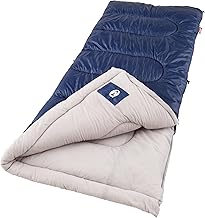
Best for cool nights where 30°F is typical and weight matters. This version targets campers up to 5 ft 11 in and also includes a Thermolock draft tube to reduce heat escape through the zipper area.
Why chosen: A lighter option for milder cold snaps with reliable draft protection. Choose this if: you want a more compact bag for casual cold-weather camping. Caution: Still not suitable for the coldest winter expeditions.
KingCamp Double Sleeping Bag for Adults

Best for couples or travelers who want shared warmth in a spacious 2-person bag. This 100% cotton flannel interior provides excellent softness and insulation, helping minimize heat loss in cooler evenings.
Why chosen: The double design promotes sustained warmth for two people sharing one bag. Caution: Cotton flannel backing is heavier and may take longer to dry; consider dry storage to prevent dampness in humid environments.
Coleman North Rim 0°F Sleeping Bag

Best for extreme-cold solo use where temperatures plunge near or below 0°F. This mummy-style bag emphasizes warmth with a hood that can be adjusted to seal in heat and provide ventilation when needed.
Why chosen: Zero-degree protection makes it a strong option for serious winter camping. Better for: experienced cold-weather campers who need maximum warmth and a compact mummy design. Caution: Mummy shape can feel snug for larger sleepers or those who prefer more wiggle room.
Buying Guide
Key considerations to help choose the right -40 F capable sleeping bag:
- Temperature rating vs. personal comfort: Look beyond the stated rating and consider your own cold tolerance and sleeping gear.
- Insulation type: Down insulation tends to be warmer and lighter but may cost more and lose performance when wet; synthetic insulation performs better when damp and is easier to care for.
- Shell and lining materials: Durable shells protect against wind and moisture; soft, breathable linings improve comfort for long nights.
- Size and fit: For tall or broad sleepers, XXL or double-wide bags can improve warmth and comfort; for compact packs, seek lighter, narrower options.
- Shape matters: Mummy bags minimize dead air and maximize warmth; rectangular bags offer more movement but may be warmer only with proper layering.
- Ventilation and hood design: Adjustable hoods, draft tubes, and zip ventilation help regulate temperature and reduce overheating.
- Weight vs. warmth trade-offs: Heavier bags may offer more insulation; for backpacking, balance warmth with packability.
- Drying and care: Cotton interiors are comfortable but slower to dry; synthetic and certain flannels dry faster—consider care requirements in cold, damp campsites.
FAQ
- What is the best sleeping bag for extreme cold? A mummy-style bag rated near 0°F or lower with an adjustable hood and draft protection is typically best for extreme cold.
- Are oversized bags worth it for cold weather? Yes for comfort and movement, especially for side sleepers or bigger individuals, but they can add bulk to your pack.
- Should I choose cotton flannel interior? Cotton offers softness but may retain moisture. For damp conditions, synthetic or blended linings perform better in dry warmth.
- Is a higher price always better for cold-weather bags? Higher price often reflects better insulation density, lighter weight, and durability, but fit and use case are equally important.
- What should I consider for two-person sleeping bags? Look for a true double-wide design with shared insulation and a plan to manage condensation and temperature evenly for both occupants.
- How do I care for a -40 F bag in wet environments? Keep bags dry, use a proper dry bag, and allow sufficient drying time before storage to prevent mildew and odor.