Finding a reliable 7 day survival food kit should focus on long shelf life, ease of preparation, and practical serving sizes. This guide highlights five solid options that cater to different needs—from compact grab bags for quick deployment to larger buckets designed for families. Each choice targets common buyer intents: portability, long-term storage, and ready-to-eat convenience. The top picks below help you decide who benefits most, whether you’re stocking a bug-out bag, pantry shelf, or home emergency stash.
| Product | Best For | Key Benefit |
|---|---|---|
| ReadyWise 7 Day Grab Bag | Anyone needing a compact, grab-and-go option | 60 servings in a portable bag |
| ReadyWise Favorite Sample Bucket | Families or groups building a long-term supply | 120 servings with long shelf life |
| Mountain House 30-Year Shelf Life Kit | Long-term storage enthusiasts | Freeze-dried meals with up to 30-year shelf life |
| ReadyWise Meat and Rice Bucket | Meat-forward option for variety | 88 servings with protein emphasis |
| ReadyWise 296 Serving Protein Bucket | High-volume storage and variety | Protein-rich kit with extensive servings |
ReadyWise Emergency Food Survival Supply 7 Day Grab Bag

The 7 Day Grab Bag from ReadyWise offers a compact, all-in-one solution for short-term emergencies. Designed for individuals who need quick access to meals with minimal setup, this pack emphasizes portability and straightforward preparation. Best for single-person use, travelers, or anyone building a starter emergency kit that fits in a small space. A notable limitation is the smaller serving count compared to larger buckets, which may require more frequent restocking for households.
ReadyWise Favorite Sample Bucket 120 Servings

Best for households aiming to build a robust, flexible emergency menu, this bucket provides 120 servings and an impressive shelf life of up to 25 years. The split lid design doubles as a serving tray, improving usability in tight spaces or camping scenarios. It’s a strong pick for families or groups seeking a longer-term, ready-to-cook option. A potential drawback is the need for water and some prep for most meals, which may be less ideal during the most time-pressured moments of an outage.
Mountain House Emergency Meal Assortment

Best for long-term storage and larger households, Mountain House offers a 30-year shelf life with freeze-dried entrées. This kit is chosen for its reliable longevity and variety, making it a strong option for families focusing on multi-meal planning. A caveat is that freeze-dried meals require rehydration and time, which may not suit the most urgent scenarios.
ReadyWise Meat and Rice Bucket
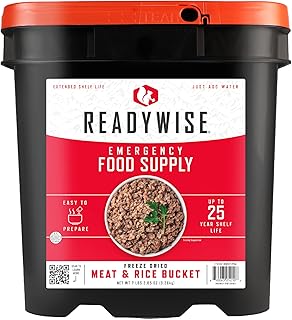
This selection emphasizes ready-to-cook meals with meat and rice components, combining protein with carbohydrates for balanced nutrition. It’s best for households that want a versatile, protein-forward option while maintaining straightforward preparation. Choose this if you seek a single-bucket solution that supports variety without needing separate sides. A limitation is the reliance on water for preparation, which matters if access is slow during an outage.
ReadyWise Emergency Survival Food Supply Protein Bucket

With 296 servings, this protein-focused kit is designed for sustained energy during emergencies. It’s best for active households, outdoor enthusiasts, or anyone prioritizing high-protein meals during a prolonged outage. The long shelf life, up to 25 years, supports scalable storage plans. A caution is that higher protein meals may require more planning to ensure a balanced diet over time, especially for families with varying dietary needs.
Buying Guide: Key Purchase Considerations
What storage conditions do you have? Prioritize buckets or pouches with long shelf life and stackability if space is limited. For garage or pantry storage, choose formats that maximize shelf space and are easy to label.
How will you prepare meals? If you need no-cook options, lean toward ready-to-eat or water-rehydration minimal meals. If you have a stove or camp setup, water-adding kits provide more variety.
Who is the kit for? Individuals may prefer compact grab bags, while families benefit from larger buckets with more servings and a wider menu.
Is nutrition balanced? Look for kits that include protein, carbohydrates, and a mix of fruits or vegetables where possible to maintain energy and micronutrient intake during emergencies.
How to Compare These Options
- Serving size: Plan for total calories per day and how many people you must feed.
- Shelf life: Longer is generally better for storage efficiency and long-term preparedness.
- Preparation: Consider the time and water needed to prepare each meal.
- Portability: Grab bags are lighter; buckets are sturdier and provide more meals per purchase.
- Cost per serving: Calculate to compare overall value across kits with different sizes.
Frequently Asked Questions
- What should be included in a 7-day survival food kit?
– A mix of meals with protein, carbohydrates, and variety to avoid menu fatigue, plus water or beverage options if possible. - Can these kits be stored in any environment?
– Most are designed for pantry to garage storage, but extreme heat or moisture can reduce shelf life; keep in a cool, dry place. - Are these kits safe for long-term storage?
– Yes, many provide up to 25 years of shelf life when stored properly, though individual items should be checked for any package damage. - Which kit is best for a small household?
– The ReadyWise 7 Day Grab Bag is ideal for individuals or couples seeking portability and quick access. - Which option is best for a family with varied tastes?
– The ReadyWise Favorite Sample Bucket or the Mountain House assortment offers more menu diversity over time. - Do these require cooking?
– Most require water and some heat or time; several options are ready-to-eat with minimal prep.