Looking for a sleeping bag suited to 50-70°F nights, with versatility for spring, summer, or mild fall camping? These five options balance warmth, weight, and practicality for hikers, campers, families, and casual overnight travelers. Each pick targets a specific use case—whether you need ultralight gear for backpacking, a roomy blanket-style bag for kids, or a budget-friendly all-season bag. The following selections help you compare insulation, packability, and weather tolerance so you can choose confidently.
Summary table of selected products
| Product | Brand | Approximate Temp Range | Weight | |
|---|---|---|---|---|
| Atarashi 3-4 Season Sleeping Bag | Atarashi | 32–77°F (0–25°C) | 4.2 lb | Adults who want extra room and windproof protection |
| NewDoar Ultralight Backpacking Sleeping Bag (Blue, Medium) | NewDoar | 50–70°F | 1.5 lb | Ultralight hikers and couples seeking a linkable bag |
| VENTURE 4TH 3-Season Sleeping Bag | VENTURE 4TH | 30–70°F | — | Campers needing a versatile, roomy bag with moisture resistance |
| ECOOPRO Warm Weather Sleeping Bag | ECOOPRO | 55–60°F comfort | — | Compact, budget-friendly, waterproof option |
| Naturehike Lightweight Compact Sleeping Bag | Naturehike | Unknown exact range, optimized for warm-to-mild nights | Very light | Backpackers who want ultra-compact packing |
Atarashi 3-4 Season Sleeping Bag

The Atarashi bag uses 400GSM insulation with 12oz/yd² Polyester fill, giving warmth across 32–77°F. It has a 290T nylon shell with a DWR finish to shed moisture and a full-length draft tube plus draft collar for temperature regulation. A half-circle hood with an adjustable drawstring helps seal in heat. This semi-rectangle shape provides elbow and knee room, making it suitable for side sleepers. Best for: adults who want a roomy, weather-protected bag for camping or backpacking when conditions vary. Limitation: heavier than ultralight options, so consider weight if you’re counting ounces.
Why pick this for 70°F nights? Its closed and draft-proof design maintains warmth without overheating, while the DWR shell offers weather protection on dewy campgrounds. The large cut accommodates movement, which is helpful for restless sleepers.
NewDoar Ultralight Backpacking Sleeping Bag (Blue, Medium)

This ultralight option weighs about 1.5 lbs and packs down small, with a shell of 380T ripstop nylon and a breathable cotton lining. It suits three-season use, with comfort stated around 50–70°F. It features a two-way zipper system that allows linking two bags or unfolding into a blanket, making it versatile for couples or warm nights. Best for: hikers and solo campers who prioritize low weight and compact packing. Limitation: not ideal for very cold nights; for 70°F nights, temperature regulation relies on the breathable design and shell materials.
Who should choose this? Those who count every ounce and want the option to couple up two bags or convert to a blanket will find this model particularly flexible. It’s machine washable for easy care.
VENTURE 4TH 3-Season Sleeping Bag

This bag targets a broad camping audience with a flexible 3-season warmth range. It measures 86.6″ x 31.5″, offering ample space for campers up to 5’11” and room to stretch. A notable benefit is the lifetime replacement guarantee, with a focus on long-term reliability. Best for: family camping or weekend trips where a reliable, roomy bag is valued over featherweight gear. Limitation: the exact fill weight isn’t specified, which may matter for precise weight-focused planning.
Choose this if you want a balance of warmth, space, and a strong warranty for recurring outdoor use in mild to cool conditions.
ECOOPRO Warm Weather Sleeping Bag
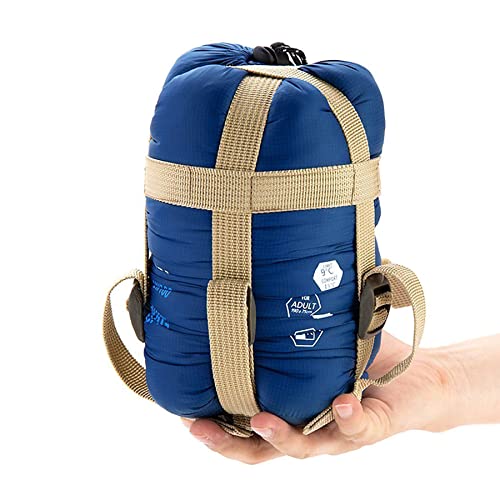
The ECOOPRO bag emphasizes ultra-lightweight and waterproof performance. It uses a nylon shell with a 100% polyester lining and a compression sack to minimize space. The bag measures 83″ x 30″ and weighs around a couple pounds depending on size. Best for: backpackers seeking a compact, quick-dry option for warm camping nights. Limitation: comfort range is more constrained, with warmth leaning toward warmer nights, so it may not suffice in cooler early-season temps without layering.
Why it fits a 70°F night? The waterproof shell helps handle damp ground or light moisture, while the compact form keeps packing light for warmer evenings.
Naturehike Lightweight Compact Sleeping Bag

Naturehike emphasizes ultralight design with 80-gram per square meter imitation silk cotton filling. It weighs around 1.68 lbs and compresses to a small footprint. The roomy dimensions (around 80.7″ x 33.5″) accommodate most adults comfortably. Best for: travelers and backpackers who need a roomy yet extremely packable option for warm-weather trips. Limitation: primarily designed for mild conditions, so it may not perform well in cool nights without extra insulation or layering.
Buying Guide: Key Considerations for a 70 Degree Sleeping Bag
- Temperature range vs. planned trips: For nights around 50–70°F, prioritize bags labeled for 50–70°F or 40–70°F with breathable materials.
- Weight and packability: Ultralight bags suit long hikes; heavier models offer more warmth. Consider how you carry gear.
- Shell and lining materials: Waterproof or water-resistant shells help on damp ground; breathable linings improve comfort in warmer nights.
- Shape and fit: Semi-rectangular or roomy cut supports side sleepers and movement. Lucidly compare “best for” sizing against your height and sleeping style.
- Versatility: Look for features like two-way zippers, linking options, hood adjustments, and stash pockets for practical use.
- Maintenance: Machine-washable bags simplify care and extend usable life for frequent campers.
Frequently Asked Questions
- What is a 70°F sleeping bag best for? It’s ideal for three-season camping when overnight lows stay around 40–70°F, offering comfort without overheating during warmer nights.
- Is a lighter bag always better for summer camping? Lighter bags reduce weight, but ensure they still provide adequate warmth for potential cool snaps.
- Should I choose a bag with a hood? A hood helps retain heat on cooler nights or windy campsites, but may feel restrictive for hot sleepers.
- Is it worth getting a bag that can link with another? Linking is great for couples or kids who want a larger, shared space; it adds versatility for different setups.
- What’s a practical buying tip for 70°F bags? Prioritize bags with moisture resistance and good ventilation to prevent overheating during warm weather.
- How much should I rely on weight when choosing a bag? Weight matters for long hikes; for casual camping, comfort and space may be more important than grams saved.