Looking for a 900-fill down sleeping bag that balances weight, warmth, and compressibility for three-season use? This guide highlights the best options powered by high-fill down, practical for backcountry adventures, car camping, and travel. Each pick targets a specific camper type—ultralight hikers, cold-weather trekkers, or versatile campers who want compact gear. Read on to see which bag fits your needs and why.
| Product | Best For | Why It Stands Out |
|---|---|---|
| Therm-a-Rest Hyperion 32F/0C | Ultralight backpackers | 900-fill down, feather-light at 18 oz, compact pack. |
| Naturehike Ultralight Down | Budget-conscious and space-saving hikers | 650-fill power with ultralight design and small pack size. |
| Sea to Summit Spark Pro 30F | 2-season backpackers needing reliable warmth | 900+ fill, Ultra-Dry treatment, DWR shell for moisture resistance. |
| Therm-a-Rest Parsec 0F | 4-season fast-and-light adventures | Premium 900-fill RDS down, zoned insulation for warmth-to-weight. |
| ZOOOBELIVES Ultralight 32-50F | Versatile summer-to-mild-cold trips | 1.7 lb with 650-fill power, compact and adaptable. |
Note: All prices and stock are subject to change. When selecting, consider your typical camping season, climate, and how much you value weight versus warmth. The following sections provide concise, objective comparisons to help you decide quickly.
Therm-a-Rest Hyperion 32F/0C Ultralight Down Mummy Sleeping Bag
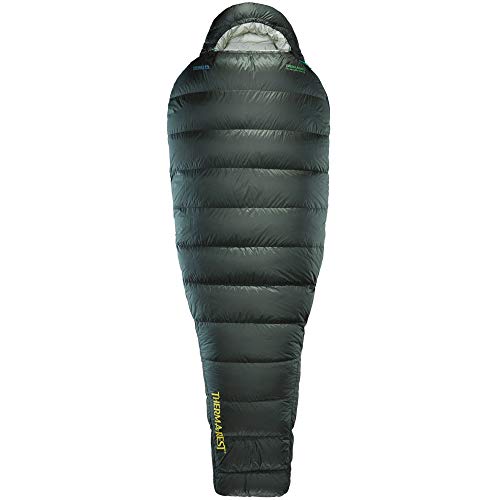
Best for ultralight backpackers seeking extreme packability. This 32°F mummy bag uses 900-fill Nikwax Hydrophobic Down to stay loftier longer in damp conditions. It weighs about 18 ounces and features a box-baffle design for consistent warmth and minimized cold spots. Best choice for minimalists who still want dependable warmth in three-season treks. Caution: Lower temperature rating means it may be less comfortable on colder nights without proper layering.
Naturehike Ultralight Down Sleeping Bag

Better for budget-conscious travelers who still want a compact footprint. The bag blends envelope and mummy shapes to fit the head compactly while offering a rectangular lower section for foot movement. It uses 650-fill power duck down and offers a comfortable 40.4°F (4.7°C) rating. It’s lightweight (about 2 lbs) with a small packed size. Choose this if you prioritize overall value and packability over extreme cold performance.
Sea to Summit Spark Pro Ultralight Down Sleeping Bag

Best for 2-season backpacking where moisture resistance matters. This 30-degree bag uses 900+ fill power down with Ultra-Dry Down treatment to preserve loft in damp environments. The 10D shell and liner contribute to breathability and light weight, while a hood and draft tubes help seal warmth. It’s a solid pick for fast-and-light trips where moisture is a concern. Limitation: At 30°F, it may feel insufficient in windy or wet nights without a proper gaiter or supplemental layering.
Therm-a-Rest Parsec 0F/-18C Down Backpacking Sleeping Bag

Best for four-season fast-and-light expeditions. The Parsec pairs premium 900-fill RDS-down with zoned insulation to maximize warmth where you need it most while keeping weight down. It compresses well for transport and offers PFAS-free construction. Choose this if you expect cold nights and want reliable warmth without bulk. Caution: 0°F rating may be challenging without appropriate wind protection and a proper sleeping pad.
Kelty Cosmic 20 Down Mummy Sleeping Bag

Better for sustainable-minded campers who want a balance of warmth and eco-conscious materials. The Cosmic 20 uses 550-fill down and recycled fabrics with PFAS-free DWR. It is designed for comfort with a traditional mummy shape and features traceable, ethically sourced down. Best for campers prioritizing sustainability and price-to-warmth balance. Limitation: Lower fill power compared to high-end 900-fill options, which may impact loft in damp conditions.
Buying Guide
Key considerations when choosing a 900 down sleeping bag:
- Fill power and warmth: Higher fill power (e.g., 900) offers more loft and warmth per ounce. Consider your typical camping season and expected night temperatures.
- Weight and packability: Ultralight bags minimize weight but may trade durability or comfort. Check packed size and weight to fit your pack.
- Down treatment: Hydrophobic or Ultra-Dry down resists moisture and maintains loft in damp environments. This matters in humid or dewy conditions.
- Shell and liner materials: Look for durable, weather-resistant shells and breathable linings for comfort and temperature regulation.
- Temperature rating: Use the comfort rating as a guide; add a layer or adjust expectations for wind exposure and humidity.
- Intent and seasonality: For three-season use, a bag around 30–40°F comfort can work with proper layering. For winter use, prioritize 0°F or lower with reliable insulation.
- Ethical sourcing: If sustainability matters, check down origin and RDS or other certifications to ensure responsible practices.
FAQ
- What does 900-fill down mean?
It indicates the down’s lofting capability and warmth per weight unit. Higher fill power generally means better warmth-to-weight performance.
- Is hydrophobic down worth it for backpacking?
Yes, it resists moisture and helps maintain loft in damp conditions, improving warmth retention when packs get damp.
- What should I pair with a down bag for cold nights?
Use an insulating pad and appropriate layers. A high-quality sleeping pad and a moisture-aware tent setup improve overall warmth.
- How important is the bag’s shape?
Mummy bags save weight and trap warmth, while rectangular or envelope shapes offer more room to move. Choose based on comfort and pack size.
- Can I use a 30°F bag in 40°F conditions?
Yes, with appropriate layering. In warmer temperatures, you might feel too warm, so choose a bag with a comfortable margin or venting options.
- Are there downsides to ultra-light bags?
They can be less durable and may have a lower temperature rating margin in windy or wet environments.