Answering the question on how to stay cool while camping, these portable air conditioners are ideal for hot environments, tents, vans, and small outdoor spaces. They appeal to campers who want adjustable airflow, humidity control, and easy portability. The top picks below match common camping needs: compact size, reasonable power use, and simple setup. Best for tent camping, car trips, or small cabins where a full-size AC isn’t practical.
Summary Table of Selected Products
| Product | Best For | Why It Stands Out |
|---|---|---|
| Temrix Portable Air Conditioner | Small spaces, mist cooling | 4 speeds, 2 cooling modes, large 37 oz tank |
| ZephyMyth 2026 4-in-1 | All-day use, quiet operation | 3 mist modes, 7-color night light, long timer options |
| BougeRV 3500BTU | Tents and RVs, app control | Smart app control, up to 64 ft² cooling area |
| Poweel Portable AC | Indoor/outdoor versatility | 1600 ml tank, auto switch to fan mode when low |
| Outohome 5200 BTU Tent AC | Camping tents and small spaces | Low power, fast cooling, quiet sleep mode |
Temrix Portable Air Conditioner Review

Best for campers who want a compact 3-in-1 unit with misting capability. It operates as a high-speed fan, a humidifier, and an evaporative cooler. The dual ultrasonic nebulizers turn water into fine mist for lasting cooling. A 37-ounce tank supports longer cooling between refills, suitable for daytime use or nighttime comfort. Four fan speeds and two cooling modes let you tailor airflow. A caution: the unit requires regular water management to maintain mist output, especially in hot, dry environments.
ZephyMyth Upgraded 4-IN-1 Mini AC

Best for all-day use with ambient lighting and a long timer. This 4-in-1 unit offers Natural Wind (water-free) and Cooling modes with a large water tank for misting up to eight hours. It includes three wind speeds and three mist modes, allowing customized climate control. The 120° adjustable louvers direct air precisely where needed. Quiet operation and a 7-color night light enhance use in tents or at a campsite after sundown. Limitation: mist performance depends on ambient humidity and water quality.
BougeRV 3500 BTU Tent AC
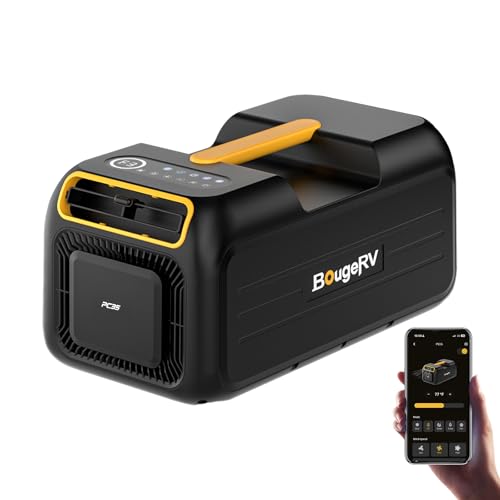
Best for tent and RV setups with smart app control. BougeRV promises rapid cooling—up to 18°F in about 15 minutes in strong mode—ideal for quick relief in warm camps. It supports app-based control within 33 feet and lets you set temperatures and timers remotely. This model emphasizes mobility with a carrying handle. A limitation is that the fastest cooling assumes a compact space and proper venting; larger tents may need additional support to maintain low temperatures.
Poweel 1600 ml Tank Portable AC

Best for flexible indoor/outdoor use with extended runtime. It includes a 1600 ml water tank for 6-8 hours of continuous operation and features dual mist sprayers for enhanced cooling. Three fan speeds let you adapt airflow, and a water-level window helps prevent leaks. A practical note: once the water runs low, the unit automatically switches to a fan-only mode to protect the system. Consider this model if you want fewer refills during a camping session.
YAFVPIZUT Dual Nozzle Mini AC
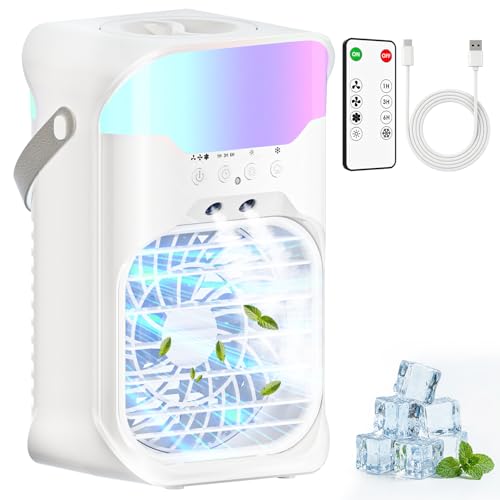
Best for desk, bedroom, or small campsite corners with double-nozzle cooling. It offers a 1600 ml tank, capable of up to 10 hours of operation, and switches to fan mode automatically when water runs low. Three speeds and a 70° adjustable airflow ensure targeted cooling. A caveat: performance depends on room size; larger open areas may experience less dramatic effect.
Outohome 5200 BTU Tent AC (New 2026)

Best for rapid cooling in tents or small outdoor spaces with low power use. Outohome delivers 5200 BTU cooling while maintaining a compact footprint and a light weight. It features four modes (Cooling, Dehumidifying, Sleep, Fan) and a 24-hour timer for automated shutoff. Operational noise in sleep mode is kept low for a calmer campsite. A limitation is overall cooling effectiveness may vary with tent size and ventilation conditions.
Buying Guide
What should you consider when choosing a camping portable AC?
- Space and cooling area: Match BTU or cooling capacity to the tent or small space you plan to cool. Larger tents require more powerful units or targeted cooling.
- Water use and tank size: Tanks range from 37 oz to 1600 ml. Larger tanks reduce refills but add weight. Consider a model with an auto-switch to fan mode when water runs low to prevent dry operation.
- Power source and portability: Look for USB-powered or battery-friendly options for lightweight trips, and check if a vehicle power source is compatible for longer adventures.
- Noise and sleep features: Quiet operation is important for tents and sleeping areas. Sleep modes and timers help manage energy use.
- Versatility: Units with misting, dehumidifying, and multiple wind speeds offer more control in changing conditions.
How to position and vent?
- Place near a vent opening or window with a clear path for exhaust to minimize heat buildup inside your space.
- Use adjustable louvers to direct airflow toward the sleeping area for effective comfort without wasting energy.
What if you’re outdoors for long periods?
- Prioritize models with long-lasting tanks and timers. For tent camping, a quiet mode helps maintain a restful environment.
- Consider a combination approach: a small portable AC for the tent, plus a compact fan for added airflow.
Frequently Asked Questions
- Do camping air conditioners require a power source? Yes, most units need electricity from a power outlet, vehicle adapter, or portable battery pack depending on the model.
- Can these units cool a large tent? They work best in small to mid-sized spaces; for large tents, multiple devices or larger units may be needed.
- Is misting essential for cooling? Not always. Some units have water-free cooling modes that can work in drier environments.
- Will they work in hot climates? They are designed for hot conditions, but effectiveness depends on space size and venting efficiency.
- Are these units water-safe for outdoors? Most are designed for outdoor use in tents and vehicles, but avoid exposure to rain or extreme weather unless specified by the manufacturer.