Answering the question for outdoor cooks: a compact, reliable alcohol stove kit is ideal for ultralight campers, weekend hikers, and survival-minded travelers who want simple fuel, quick setup, and stable cooking. This guide highlights five top options, explaining who each is best for, plus practical buying tips. The listed products emphasize portability, fuel efficiency, and durable construction to suit varied environments—from forest trails to desert backpacks.
Overview of selected options:
- Keweis Portable Outdoor Mini Alcohol Stove Burner Ultralight Camping Cookware Set
- Trangia 27-3 Ultralight Alcohol Stove Kit
- Esbit CS985HA 5-Piece Lightweight Trekking and Camping Cookware Set
- Kuvik Titanium Siphon Alcohol Stove with Folding Legs
- Gexdes Mini Alcohol Stove – Jetfire
Keweis Portable Mini Alcohol Stove Kit
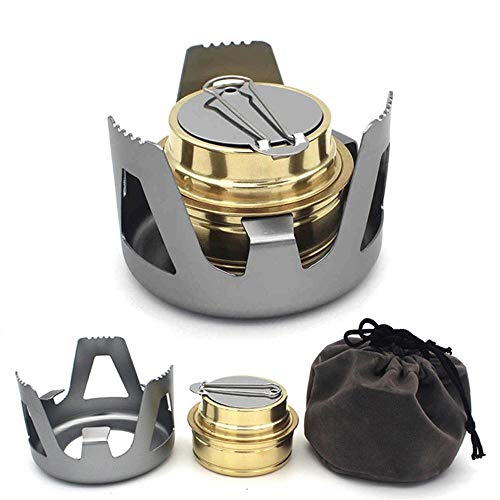
Best for ultralight hikers and solo campers who need a compact, integrated setup. Keweis combines a lightweight stove with a windproof stand and a leak-proof cover, using aluminum alloy and brass for stability. The total weight is about 145 g (5 oz), with small base dimensions, making it easy to stash in a daypack. Caution: ensure the rubber O-ring is seated properly to prevent leaks and evaporation during transport or long holds.
Trangia 27-3 Ultralight Alcohol Stove Kit

Best for cooks who want a complete, all-in-one stove set with bundled cookware. Trangia’s kit includes two ultralight aluminum saucepans, a non-stick fry pan, and a spirit burner, offering a ready-to-cook package for boiled meals and basic programming of heat. It’s heavier than ultra-light single-stove setups but provides included cookware for quick meals. Choose this if you value a robust, self-contained kit with reliable flame control.
Esbit CS985HA 5-Piece Cookware Set

Best for weight-conscious backpackers who want a compact, fully enclosed system. Esbit’s package includes a stand, a large 985 mL pot, a smaller pot with lid, a brass alcohol burner, and a base compatible with solid fuel tablets. It’s built from light, hard-anodized aluminum for efficient heat transfer. The fuel type and tiny footprint are ideal for fast meals, though the setup is best with proper wind protection in open spaces. Avoid this if you need metal cookware with non-stick surfaces.
Kuvik Titanium Siphon Alcohol Stove
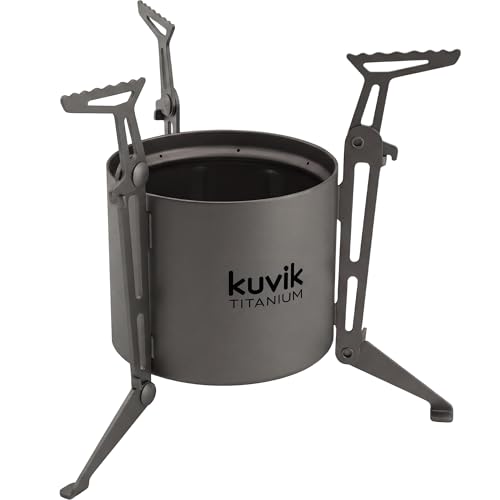
Best for ultralight purists who still want rugged durability. Kuvik’s titanium stove weighs about 2.3 oz (65 g) and includes folding legs and pot racks to stabilize cooking. Titanium offers corrosion resistance and a compact form factor, compatible with denatured or grain alcohol and other blends. The built-in folding legs improve stability on uneven ground. Limitation: titanium stoves can have a higher price point, and fuel efficiency depends on wind and flame control.
Gexdes Mini Alcohol Stove
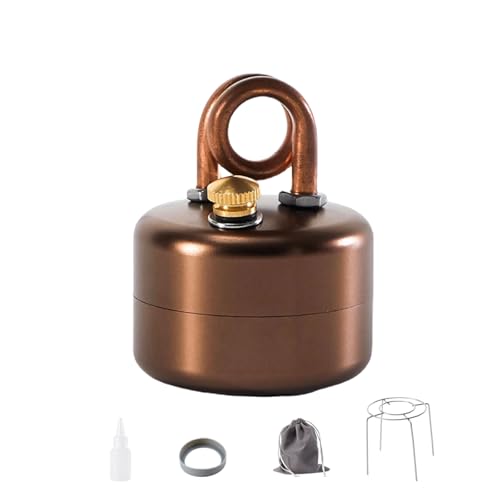
Best for emergency kits and casual backpacking where a compact, windproof option is useful. Gexdes offers a small, low-profile stove with a heat-resistant grip and leak-proof design. It boils 500 mL of water in roughly seven minutes with denatured alcohol (not included). The small size makes it easy to stash in a grab-and-go bag. Consider this as a lightweight back-up stove rather than a primary cooking setup for longer trips.
Buying Guide
Fuel type and efficiency: Alcohol stoves use denatured or isopropyl alcohol. Look for designs with efficient vaporization and wind protection. Best results come from stoves with insulated or windproof features and low fuel consumption for long trips.
Weight and packability: Ultralight gear helps keep your pack light. Titanium construction, foldable legs, and compact pot options contribute to easier carry. Consider total system weight, including pots and fuel.
Stability and cookware compatibility: A stable base and integrated pot racks or compatible cookware simplify cooking. For larger pots, ensure the stove supports wider bases and offers steady support on uneven ground.
Durability and materials: Aluminum, brass, and titanium each have trade-offs. Aluminum is economical and light; brass offers robust burn control; titanium provides excellent strength-to-weight ratio and corrosion resistance.
Ease of use and safety: Look for leak-proof designs, secure lids, and clear flame control features. A heat-resistant grip reduces burn risk when handling hot components. Ensure proper sealing of fuel containers and stove lids before transport.
Set completeness: Some bundles include cookware and a burner, while others are just the stove. Decide whether you need an all-in-one kit or a standalone stove with separate pots to customize your setup.
FAQ
- What fuel do alcohol stoves use? Alcohol stoves primarily burn denatured alcohol, grain alcohol, or isopropyl alcohol. Choose a fuel type based on availability and burn time in your region.
- Are alcohol stoves safe for windy conditions? Wind can affect flame efficiency. Use windscreen accessories or built-in windproof designs to maintain heat and control.
- Is titanium worth the extra cost? Titanium offers lighter weight and high durability, ideal for frequent hikers. For casual campers, aluminum or brass stoves may provide better value.
- Can I cook with these stoves in a cabin or tent? Many stoves are designed for outdoor use. Always follow local fire regulations and never use open flames in enclosed spaces without proper ventilation and safety measures.
- How do I choose between a kit and a standalone stove? A kit provides cookware and burner in one package, ideal for quick trips. A standalone stove offers flexibility to mix and match pots and pans for longer expeditions.
- What maintenance is required? Regularly inspect seals, o-rings, and fuel lids. Clean any residue after cooking and store in a dry, ventilated area to prevent corrosion or damage.