Looking for a sleeping pad that supports side sleepers on backpacking trips? This guide highlights five ultralight, compact options that emphasize side-sleeper comfort, reliable insulation, and easy setup. Each pick is suitable for solo hikers who prioritize a stable, pressure-relieving surface without adding bulk to their pack. Below you’ll find a quick product comparison and practical buying tips to help you choose the right pad for your camping style and climate.
| Product | Approx. Weight | Thickness | Insulation / R-Value | Best For |
|---|---|---|---|---|
| Gear Doctors Ether 17.5oz Ultralight | 17.5 oz | 3.35″ edges to 2.36″ center | Standard 20D TPU coated for durability | Lightweight backpackers who want side-sleeper cushioning with quick setup |
| Gear Doctors ApolloAir 5.2 R-Value | ~17 oz | 3.2″ thickness | R-Value not stated; insulated design | Cold-weather trips needing warmth in a compact pad |
| FLEXTAILGEAR Ultralight 5.6 R-Value | ~19.6 oz | 4.0″ | R-Value 5.6 | Backpacking in cooler conditions; good for side sleepers |
| TREKOLOGY UL80 Ultralight | ~26.5 oz | ~2.9″ | Not specified; lightweight core | Minimalist hikers who want fast setup |
| Elegear CumbreX 9 R-Value | Not specified | 4.0″ | R-Value 9 (ASTM F3340-22) | Extremely cold conditions; four-season versatility |
Gear Doctors Ether 17.5oz Ultralight Camping Sleeping Pad

The Ether pad compacts to 8.6″ high and 3.1″ diameter, then inflates to up to 76″ × 25″ with Ergonomic contours. It supports up to 440 lb and includes a detachable foot pump sack for rapid setup (under 90 seconds). Best for solo hikers seeking a compact, high-comfort pad that still fits in a standard pack. Caution: heavier users should verify load rating and edge support for extreme side-sleeping comfort on uneven ground.
Gear Doctors ApolloAir 5.2 R-Value Ultralight

ApolloAir packs to about 8.5″ height and 3″ diameter, fitting neatly into gear. Inflates to 72.8″ × 22″ with a 3.2″ thickness and includes pump sack for fast inflation. Best for hikers who want a light, insulated option that keeps warmth in variable conditions. Limitation: no explicit R-value listing beyond the insulated design; verify comfort if you side-sleep with narrow hips.
FLEXTAILGEAR Ultralight 5.6 R-Value Pad
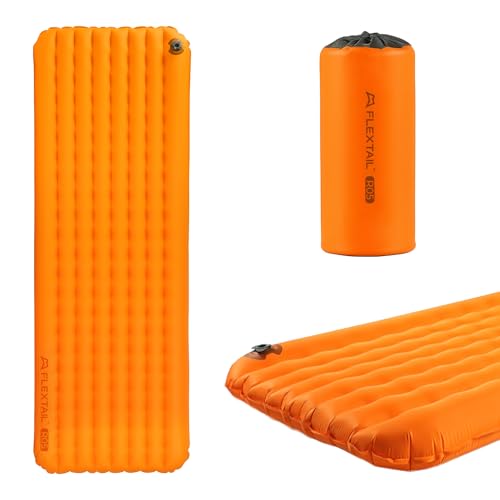
With an ASTM-tested 5.6 R-Value, this 4″ thick pad weighs about 19.6 oz, delivering reliable warmth in cold ground. It’s designed for backpacking and hiking, offering a balance of insulation and compactness. Choose this if you prioritize warmth and side-sleeper support without added weight. Caution: higher insulation typically means a bit more bulk than non-insulated ultralights.
Elegear CumbreX Sleeping Pad

Equipped with a 9 R-Value insulation system, CumbreX supports all-season use and handles harsh cold down to -40°C. It weighs around two pounds and compresses compactly for backpacking. Best for serious winter trekkers or high-altitude trips. Limitation: heavier than some ultralight options; plan pack space accordingly.
Buying Guide: Key Considerations For Side Sleepers
How thick should a sleeping pad be for side sleepers? Thicker pads help prevent hip and shoulder pressure from contacting the ground. Look for 3″ to 4″ thickness as a baseline for side-sleeper comfort.
What about insulation? For cold nights, prefer pads with higher R-values (4 and above) to minimize heat loss. Consider a pad with built-in insulation layers or reflective coatings for winter use.
Inflation method matters. Pads with fast-inflate systems (pump sacks) save time and lungs. If you camp in damp environments, a reliable valve design reduces air leaks and long-term maintenance.
Pack weight and size are critical. Aim for a pad under 2 pounds that packs small enough to fit in your backpack without sacrificing comfort.
Durability and water resistance matter in rugged terrain. A robust outer shell and seam construction extend life across multiple trips.
Side-sleeper comfort features. Look for pads that distribute weight evenly, minimize pressure points, and offer a slightly contoured edge for stabilizing the hips and shoulders.
FAQ
- Q: Is a higher R-value always better for side sleepers? A: Higher R-value improves warmth but adds weight; choose based on climate and backpacking style.
- Q: Should I prioritize padding thickness or overall weight? A: For side sleepers, thickness often matters more, but avoid sacrificing pack weight beyond comfort needs.
- Q: Can I reuse a sleeping pad on multi-night trips in varying terrains? A: Yes, choosing a durable, repair-kit-equipped pad helps on rugged trips; consider a repair kit option.
- Q: Do self-inflating pads offer better comfort than air-only pads? A: Self-inflating designs provide consistent loft with less effort, which can benefit side sleepers.
- Q: How important is a built-in pump? A: Built-in pumps simplify setup and reduce mouth-blown effort, especially on damp or cold mornings.
- Q: Are there pads suited for ultralight backpackers who still sleep on their side? A: Yes; ultralight pads exist with 3″–4″ thickness and narrow widths that still support side-sleep comfort.