Finding reliable bear containers for backpacking boils down to size, weight, and security. This guide highlights five top bear-resistant food canisters that suit different trips, from short weekend hikes to longer expeditions. Each option is evaluated for best-use scenarios, ease of use, and potential limitations to help you choose with confidence.
| Product | Best For | Capacity | |
|---|---|---|---|
| BearVault BV Canisters (BV500, BV475, BV450, BV425) | Medium to long trips with family or small groups | 4–5 days (typical) | Mid-size option; easy packing and top access |
| Bear Canister for Backpacking (Ultralight, 7.2L) | Lightweight hikers needing compact capacity | ~2–4 days | Sturdy but compact; quick access |
| BearVault BV ONE | Expandable capacity; versatile backpacking | 1–4+ days | Adjustable size; best for varied trips |
| NO-FED-BEAR UDAP Canister | Budget-conscious travelers; certified safety | 2 gallons | Includes carrying case; safety-certified |
| UDAP No-Fed-Bear BRC | Survivor-tested, IGBC-approved use | ~8 liters | Lightweight and backpack-friendly |
Note: The recommended use cases above reflect general guidance based on capacity, weight, and access style. Always verify local regulations on bear storage before your trip.
BearVault BV Canisters For Backpacking

Overview: The BearVault line includes multiple sizes (BV500, BV475, BV450, BV425) designed to be bear-resistant food storage for camping, hiking, fishing, hunting, and bikepacking. The newer mid-size BV475 offers a shorter height for long-distance backpackers while remaining roomy for several days of meals. Best for small groups or family trips due to its balance of capacity and packing efficiency.
Who it’s best for: Optimizers who want a durable, easy-to-pack canister that scales with trip length and group size. The BV475 is particularly appealing for backcountry travelers who need a compact footprint without sacrificing food space. If your pack has limited vertical space, this option is a solid middle ground.
Why chosen: The BV family emphasizes clear sides for quick meal planning, a wide opening, and a robust, rugged build that resists bear attempts. It’s easy to tie onto packs thanks to strap guides, helping you keep gear organized on the trail.
Limitation: Some hikers may prefer even lighter options for ultra-light adventures, as the BV line adds weight compared to ultralight containers.
Bear Canister For Backpacking Ultralight (7.2L)

Overview: This ultralight bear canister aims to balance rugged durability with a lighter frame. It features a secure, button-lock mechanism to prevent bear or wildlife access, while keeping weight low for backpackers who count every ounce. Its 7.2L capacity makes it suitable for 2–4 days depending on pack contents.
Who it’s best for: Hikers and bikers who prioritize minimal weight without compromising safety. It’s a good fit for solo travelers or small groups who want straightforward operation and reliable security on multi-day trips.
Why chosen: The combination of lightweight design, easy access, and a practical locking mechanism makes it a steady choice for those who need rapid retrieval and dependable behavior in cold or dry conditions.
Limitation: The plastic construction, while strong, may require more careful handling in rocky terrain to prevent scuffs or cracks over time.
BearVault BV ONE Adjustable Canister

Overview: The BV ONE is an adjustable bear canister designed for backpacking and camping, offering expansion and collapse to fit 1–4+ day trips. It features a center access and optional divider to keep items organized, plus soft-touch buttons and smooth threads for easy opening in varying temperatures.
Who it’s best for: Travelers who want a versatile container that adapts to changing food loads. This is ideal for mixed trips where you might start with a smaller provisioning plan and expand as needed.
Why chosen: Its lightweight efficiency and configurable size deliver better weight-to-volume performance than many fixed-size canisters, making it a strong value for frequent campers.
Limitation: The expandable design requires careful packing to maintain balance; overly full configurations can affect handling or seal integrity if not properly closed.
NO-FED-BEAR UDAP Bear Resistant Canister

Overview: This 2-gallon bear-resistant canister ships with a carrying case and carries the visibility of a safety-focused option from NO-FED-BEAR. The carrying case allows easy transport and on-pack attachment, making it convenient for trail days where organization matters.
Who it’s best for: Budget-conscious hikers who still want certified wildlife-resistant containment and a practical carrying solution. It suits longer trips where a sturdy, cost-effective canister is valued.
Why chosen: The included carrying case and certification support straightforward compliance with park rules, which helps with trip planning and compliance on bear country trails.
Limitation: The capacity is limited to two gallons, which may require more frequent resupply or careful rationing on longer trips.
UDAP No-Fed-Bear BRC (Black/Red)
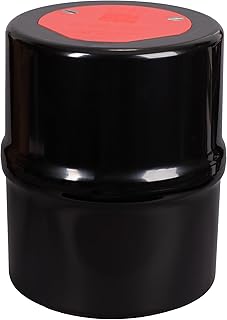
Overview: Designed by a bear attack survivor, this container emphasizes real-world safety. It is IGBC-approved for use in areas requiring certified bear-resistant containers, and weighs about 2.4 lbs with 8 liters (roughly 4–6 days of food depending on packing).
Who it’s best for: Backcountry travelers who want a validated safety solution with a proven design and a focus on practical field use. It is suitable for those who trek in areas with strict bear-resistance requirements.
Why chosen: The IGBC certification and survivor-informed design provide a credible, safety-forward option for bear country expeditions.
Limitation: Some users may prefer larger capacity when traveling with more gear or longer trips; this option is a solid choice for lighter, well-planned itineraries.
Buying Guide: How To Choose The Right Bear Container
- : Align container capacity with your typical trip length. Short weekend trips benefit from smaller sizes, while multi-day trips may require larger volumes or expandable designs.
- : Consider the weight-to-volume ratio. Lighter options are preferable for long treks, but ensure the container still provides reliable bear resistance.
- : A wide opening and simple locking mechanism save time at camp. In cold or wet conditions, a user-friendly design reduces frustration during food retrieval.
- : Look for sturdy construction, secure lids, and reliable locking mechanisms. Confirm that the design exceeds minimum bear-resistance requirements for your destination.
- : Carrying cases, strap guides, and compatibility with your backpack’s attachment points can improve transport and accessibility on the trail.
- : Some parks require certified bear-resistant containers. Always check requirements for your route or reserve.
Frequently Asked Questions
- What is a bear canister and why use one? A bear canister is a bear-resistant storage container designed to protect food from wildlife. Using one helps prevent bear encounters and food contamination in bear country.
- How much food can these containers hold? Capacity varies by model, commonly from around 2 gallons to 8 liters or more, enough for several days of meals depending on packing.
- Are bear canisters legal in all parks? Many parks require certified bear-resistant containers, but regulations vary. Always verify local rules before you go.
- Can I attach a bear canister to my backpack? Yes, most designs include strap guides or attachment points to secure them to packs, keeping weight balanced and accessible.
- Do bear canisters float or resist water? Some models offer water-tight seals or airtight designs, but check product specifications for weather and water exposure considerations.
- How do I open a bear canister in cold weather? Many models include a user-friendly unlocking mechanism or a simple unlocking card to minimize effort in freezing conditions.