When shopping for biodegradable camp toilet bags, the best picks are those that balance strength, compostability, and convenience for different outdoor scenarios. This guide helps hikers, campers, RV travelers, and emergency-prep shoppers choose bags that keep campsites clean while minimizing environmental impact. The top options below cover a range of bag thickness, capacity, and decomposition timelines, so you can pick the right fit for your trip type and waste disposal approach. A quick summary table follows to compare key points at a glance.
| Product | Best For | Notes |
|---|---|---|
| Portable Toilet Bags – 8 Gallon Camping Toilet Bags | Family car camping or group trips | Thick 1.6 mil, 18 lb load, plant-based material |
| BLIKA 40 Count 8 Gallon Bags | Long trips and frequent use | 1 mil, compostable, 30 L capacity |
| 40 Camping Toilet Bags for 5 Gal Bucket | Backpacking and car-camping | 1.1 mil, 11-15 lb capacity, two rolls |
| OUMEE Lemon 30 Portable Toilet Bags | Travelers needing gel-backed odor control | 30+30 set, dual LDPE thickens, 23.6 x 25.6 in |
| Portable Toilet Replacement Bags – 25 Count | Emergency kits and family use | Natural corn starch, 8 gal capacity, 1.5 mil |
Portable Toilet Bags – 8 Gallon Camping Toilet Bags
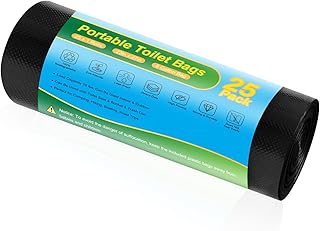
Best for: Small groups or families on car trips who need reliable, plant-based waste bags for 8-gallon toilets. These bags are 1.6 mil thick, load-bearing up to 18 pounds, and designed to be leak-proof and odorless. The 23 x 27 inch expanded size fits standard camping toilets and can double as trash liners when needed.
Why selected: Strong, thickened construction and compostable materials support both hygiene and environmental goals. Good for users who want a single bag solution that handles solid waste and minor trash without frequent replacements. A potential limitation is the need to store them in a cool, dry place to preserve integrity over time.
BLIKA 40 Count 8 Gallon Bags

Best for: Campers or long trips needing a dependable compostable bag with high visibility for waste inside opaque bags. The bags are 1 mil thick, designed to be easy to handle and quick to break down after disposal. They are compostable without polyethylene and are 23.6 by 25.6 inches per bag, with 20 bags per roll.
Why selected: They offer strong environmental credentials and straightforward disposal. Choose this if you want a budget-friendly roll with transparent usage limits and clear waste containment. Limitation: Material breakdown times can vary by soil conditions, so outdoor disposal timing may differ from ideal lab estimates.
40 Camping Toilet Bags, Biodegradable for 5 Gal Bucket

Best for: Hikers and campers who operate with 8-gallon or 5-gallon toilets and prefer a robust, thickened bag. The set includes 40 bags across two rolls, with an 8-gallon capacity and 22×26 inch expanded size. The bags are corn starch-based, compostable, and designed to degrade in 45-180 days when buried.
Why selected: Thickened construction (1.1 mil) and odorless design help with cleanups in remote areas. Better for those who want a clear disposal timeline and simple burial method. Limitation: The product relies on proper disposal practices to achieve composting timelines.
OUMEE Lemon 30 Portable Toilet Bags With Gel Set

Best for: Outdoor travelers who value a gel-based odor-control companion with optional urine powder. The set includes 30 toilet bags plus 30 packets of urine powder, delivered in two or three compact rolls. The bags are 2 mil thick LDPE, capable of handling about 33 pounds (15 kg).
Why selected: The gel powder can help manage odors in camping scenarios without extra deodorants. Choose this if odor control is a priority. Caution: All bags are unscented by design, and gel powder is scented, which users should be aware of for sensitive environments.
Portable Toilet Replacement Bags – 25 Count

Best for: Emergency kits and family road trips needing a reliable, compostable option for 8-gallon toilets. The bags are made from natural corn starch, with a 1.5 mil thickness and a 30-liter capacity, designed for durability and leak resistance while remaining compostable.
Why selected: They offer a sturdy, natural material option for those prioritizing eco-friendliness. Avoid this if you require ultra-thin bags for extremely compact storage, as thicker bags may take more space when rolled.
Buying Guide
What makes a biodegradable camp toilet bag right for you?
Key factors include material composition (corn starch/plant-based vs LDPE blends), thickness (mil), and disposal method (compostable in home or industrial facilities vs bury-and-decompose in soil). Consider how much waste you expect to manage per trip and whether you need odor-control features or heavy-duty load capacity.
Which bag thickness and capacity should you choose?
- Light loads and occasional use: 1.0–1.1 mil bags with 8-gallon capacity often suffice for small groups or solo travelers.
- Heavy use or longer trips: 1.5–2.0 mil bags with 8–30 liter capacity provide extra durability and reduce leakage risk.
- When burial is planned: Look for bags labeled compostable with estimated soil-degradation timelines (e.g., 45–180 days) and ensure local disposal practices align.
Disposal and environmental considerations
- Compostable bags require appropriate disposal routes and soil conditions to break down effectively. Verify local composting capabilities if not burying on-site.
- Opaque bags help conceal contents during disposal, which can be desirable in shared camping areas.
- Always follow Leave No Trace guidelines: minimize waste, bag waste securely, and dispose of bags responsibly.
Durability vs. convenience
Higher thickness generally means better leak resistance but larger bag size. For car camping, a thicker bag with odor-control is helpful; for backpacking, a lighter option may be preferable to reduce packing weight and volume.
Frequently asked questions
- Are biodegradable camp toilet bags safe for soil disposal? Yes, when bags are labeled compostable and disposed of according to local guidelines.
- How long do these bags take to biodegrade? Timelines vary (e.g., 30–180 days in soil) depending on material and conditions.
- Can these bags be used as trash liners? Some bags are designed to serve as liners for 8-gallon or 5-gallon toilets and trash cans, but check each product’s specifications.
- Do bags have odor control? Several options include odorless designs or odor-control features; check the product details for specifics.
- What is the recommended disposal method for bags with gel packets? Gel packets are scented and should be disposed of per product directions, typically with the bag contents and bag itself in a composting or appropriate waste stream.
- Can I reuse these bags? Most are designed for single-use disposal to maintain hygiene and containment.