When safety on the water matters, a reliable emergency flare kit is essential. This article compares five top options to help boaters choose the right kit based on visibility, ease of use, and compliance with USCG rules. Best for small- to mid-sized boats, casual river and coastal travelers, and crews seeking all-in-one emergency signaling and safety features. The following selections emphasize clear signaling, durability, and compliance with Coast Guard standards.
Summary table of chosen products:
| Product | Best For | Key Benefit | Notes |
|---|---|---|---|
| Sirius Signal MK-1001 Boating Safety and Emergency SOS Kit | All-around safety kit | USCG approved visual signals + audible signals + first aid tools | Complete system in one package |
| COASTAL ALERT LAUNCHER KIT | Day/night signaling | Red aerial signals and SOLAS whistle | USCG approved for both day and night use |
| TEKTITE SOSeFLARE 5 | Electronic distress signaling | Long battery life; Morse SOS; waterproof and floats | Modern replacement for traditional flares |
| Orion Safety 584 ALERTER Basic | Flares on a budget | 12 GA flares with strong altitude and brightness | Manual and durable launcher |
| Sirius Signal C-1003 SOS LED Distress Signal | LED electronic distress | Very long-lasting, USCG approved | Bright, modern alternative to flares |
Sirius Signal MK-1001 Boating Safety and Emergency SOS Kit

This all-in-one safety solution combines visual distress signaling with audible alerts, plus basic first aid and lighting tools. It includes a USCG authorized SOS electronic visual distress signal device (eVDSD) and an orange daytime distress flag, meeting or exceeding Coast Guard signaling requirements. The kit also features a high-decibel marine air signal horn and whistle to satisfy audible distress signaling standards. Best for boaters who want a consolidated safety package in one purchase, including visual, audible, and basic first aid capabilities.
Who it’s best for: small to mid-sized boats, weekend sailors, and crews seeking a comprehensive, ready-to-deploy safety kit. Why selected: it minimizes the number of separate items needed and is designed to cover both day and night emergencies with strong visibility and audible alerts.
Caution: kit contents and instructions should be checked regularly, and familiarity with each signaling device is essential to ensure proper use during an emergency.
COASTAL ALERT LAUNCHER KIT

The Coastal Alert Launcher Kit is a USCG-approved signaling solution designed for day and nighttime visibility. It includes six high-performance red aerial signals (12-gauge) and a set of SOLAS-approved whistles with lanyards. Best for boaters who need a simple, proven, and reliable signaling option that remains visible in varied lighting conditions.
Who it’s best for: vessels that primarily rely on aerial signaling and want a compact, easy-to-use kit for quick deployment. Why selected: its emphasis on high-visibility red aerial signals and whistle-based audible signaling aligns with standard Coast Guard signaling expectations for most day and night conditions.
Caution: aerial signals should be stored in a dry place and inspected regularly to ensure readiness and proper deployment when needed.
TEKTITE SOSeFLARE 5

The TEKTITE SOSeFLARE 5 offers an electronic distress signal with an integrated flag and audible signal. It is USCG and SOLAS compliant and functions as a legal replacement for traditional flare kits. It stands out for long battery life (up to 30+ hours) and user-replaceable design, powered by CR123 lithium batteries. The device floats upright and is waterproof, making it reliable in harsh marine environments.
Who it’s best for: boaters who prefer a modern, electronic distress signal that reduces the need to handle hazardous flares. Why selected: its long operation time and easy maintenance make it a dependable option for longer trips or offshore use.
Caution: battery replacements and disposal should follow local regulations; ensure the device remains sealed and dry to maintain function.
Orion Safety 584 ALERTER Basic 12 GA 4-Flares

The Orion Safety 584 ALERTER Basic kit includes a corrosion-resistant 12-gauge launcher with a hammer safety lock and a bandolier for six signals. It comes with four U.S. Coast Guard-approved red aerial flares capable of reaching altitudes up to 500 feet and a 7-second burn time. An Orion manual provides safety warnings, usage, storage, and inspection guidance for both aerial and handheld flares. Best for crews who want a trusted, rugged flare solution and straightforward deployment. Why selected: strong performance metrics for visible distance and burn time, paired with a durable launcher system.
Caution: traditional pyrotechnic signals require careful handling, storage, and disposal; ensure you understand storage requirements and legal restrictions in local waters.
Sirius Signal C-1003 SOS LED Distress Signal
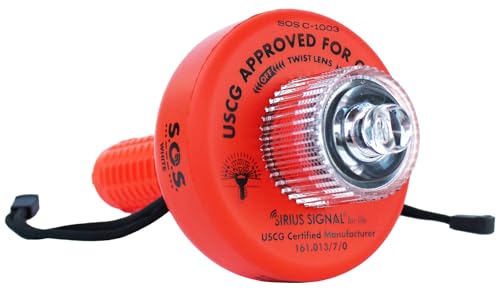
The C-1003 LED distress signal is a Coast Guard-approved electronic signal that meets night, day, and audible distress requirements. It provides a long-lasting SOS beacon with included batteries and is designed to be a safe alternative to traditional flares. It can flash up to 60 hours of SOS signaling, significantly longer than typical flare requirements, and is visible up to 10 nautical miles. Best for boaters seeking a low-hazard, long-duration emergency signal. Why selected: LED visibility, extended run-time, and a straightforward operation compared to pyrotechnic flares.
Caution: electronic devices should be kept dry and properly sealed to prevent water ingress, and users should know battery replacement timing to maintain readiness.
Buying Guide
What signaling needs should I prioritize?
Safety-critical signaling should combine visual, audible, and, if possible, electronic indicators. USCG-approved kits with multiple signaling methods provide redundancy, increasing chances that rescue teams will detect you in diverse conditions.
Which kit is best for different boat sizes?
Smaller boats benefit from compact, all-in-one sets (like the MK-1001) that bundle signals with basic safety tools. Larger boats or offshore trips may prefer longer-lasting electronic signals (like TEKTITE SOSeFLARE or C-1003) for extended signaling without handling multiple devices.
What to check before buying?
- USCG or SOLAS compliance and the type of signals included (visual, audible, electronic).
- Durability and waterproofing for marine environments.
- Battery life and ease of replacement for electronic devices.
- Storage, access, and maintenance requirements to ensure readiness.
How should I store and maintain emergency signaling gear?
Store kits in a dry, cool location with easy access. Regularly inspect for corrosion, battery status (for electronic devices), and the integrity of flares and flags. Replace expired or damaged components promptly to ensure readiness.
What about non-flare emergencies?
Consider adding non-flare items such as waterproof flashlights, first aid supplies, and basic signaling whistles. A dry bag with essential tools can help you remain prepared for a broader range of on-water emergencies.
How do I practice or drill with these kits?
Conduct periodic, controlled drills in a safe environment to ensure crew familiarity with deployment procedures, audible cues, and marking of distress signals. Regular practice reduces hesitation during real emergencies.
FAQ
- What signals are required by USCG for recreational boats?
USCG guidelines emphasize visual distress signals for day and night, plus audible signals. Some modern kits combine these with electronic signals for redundancy.
- Are electronic distress signals legal to use?
Yes, many electronic distress devices are USCG-approved and can serve as an alternative to traditional pyrotechnic flares where permitted.
- How long do LED distress signals last?
LED distress devices can operate for tens of hours, with some models providing up to 60 hours of continuous signaling depending on usage and batteries.
- Should I carry both flares and electronic signals?
Carrying a combination provides maximum coverage across different lighting conditions and weather, improving rescue chances.
- How often should I inspect emergency signaling gear?
Inspect at the start of each boating season and after any use. Replace expired components and batteries as recommended by the manufacturer.
- What maintenance is needed for 12-gauge flare launchers?
Follow the manufacturer’s storage and inspection guidelines, including lock safety mechanisms and bandolier condition.