If you’re gearing up for scouting trips, you want sleeping bags that are reliable, compact, and comfortable across seasons. This guide highlights five versatile options suited for boys, girls, and young climbers, plus adults who prefer compact gear. Each pick emphasizes warmth, durability, and portability—ideal for camping, hiking, and overnight adventures. The table below offers a quick snapshot to help you compare at a glance.
| Product | Best For | Why It Stands Out |
|---|---|---|
| ECOOPRO Portable Sleeping Bag | Backpacking and multi-day trips | Waterproof outer shell, lightweight, compact roll-down |
| JEAOUIA Sleeping Bag | 3-season use for families | Roomy fit, hood tightening, zipper at the foot for airflow |
| KingCamp Kids Sleeping Bag | Young campers 4’7″ and under | Warmth for cool nights, soft inner lining |
| MalloMe Sleeping Bag | Adventurous teens and adults | All-season warmth, lightweight, compression sack |
| TETON Sports Junior Sleeping Bag | Kids’ campouts and sleepovers | Durable shell, full-length draft tube, easy stuffing |
ECOOPRO Portable, Waterproof Sleeping Bag
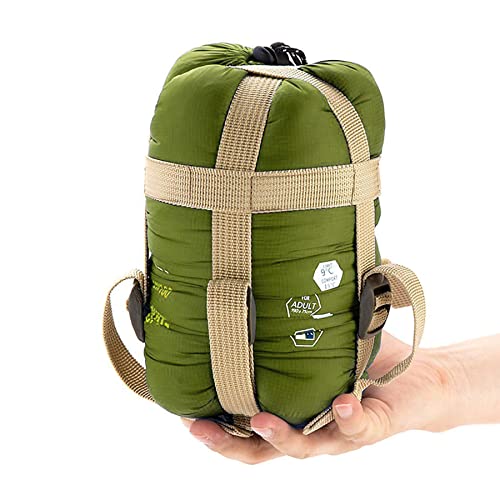
The ECOOPRO bag is designed for backpackers who need a compact, weatherproof sleep system. Outer nylon provides waterproof durability, while the 100% polyester lining offers breathability and skin comfort. It maintains a comfortable sleep environment around 55–60°F, making it suitable for cool nights and mild shoulder-season trips. The envelope design rolls into a compact sack and weighs about 1.7 pounds, ideal for lightweight hikers who still want a roomy fit.
Best for: Solo backpackers and hikers who prioritize weather resistance and ultra-light packing. The bag’s compact form helps reduce pack weight without sacrificing warmth.
Limitations: The temperature rating is not a 4-season guarantee; it’s best adapted for late spring to fall conditions. The width is 30 inches, which may feel snug for taller users.
JEAOUIA Sleeping Bags For Adults

This three-season sleeping bag offers generous room and a hood drawstring to trap heat when temperatures dip. The design covers 50°F–68°F, with a suggested comfort range suitable for 3-season camping and casual outdoor travel. Outer polyester with a breathable lining and a hollow cotton fill provide a sum of warmth with a breathable feel. A foot zipper adds airflow options, making it adaptable for varying seasonal needs.
Best for: Families or solo campers who want an affordable, comfortable option with flexible airflow features and a roomy cut.
Limitations: The fill is hollow cotton rather than synthetic high-loft; it may not perform as well in damp or extremely cold conditions compared with higher-end insulation.
KingCamp 45°F Kids Sleeping Bag

This compact youth bag is tailored for children up to about 4’7″ and features a warmth level around 44.6°F with a 35.6°F limit, making it suitable for 3–4 season camping in cooler climates. The inner lining uses soft cotton flannel for quiet comfort, while the exterior is a lightweight, waterproof shell. It includes a compression sack and adjustable shoulder straps to ease transport for young campers.
Best for: Parents seeking a kid-specific sleeping solution that stays warm in cool weather while remaining portable for young hikers.
Limitations: May be too warm for summer nights in warmer regions; ensure sizing fits your child’s height before purchasing.
MalloMe Sleeping Bags For Adults And Kids

The MalloMe bag is positioned as a versatile all-season option. It weighs around 3 pounds and fits a tall adult while delivering warmth with a rugged outer shell and S-pattern stitching. The product ships with a compression sack for easy packing and is marketed to both adults and older kids, making it a practical family choice for weekend trips and overnight hikes.
Best for: Families and solo hikers who want a single, adaptable bag that can cover spring through fall conditions without added bulk.
Limitations: The insulation type is not specified beyond high-loft, so performance in extreme cold is less certain compared to higher-end models.
Teton Junior Sleeping Bag
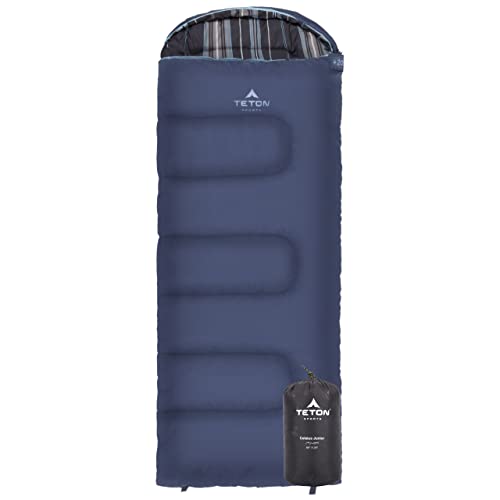
This junior bag is designed with kids in mind, focusing on warmth and durability for campouts and sleepovers. Features include a durable shell, full-length draft tube to minimize heat loss, and a handy interior pocket for small items. It is easy to stuff back into its sack, making it practical for younger campers who need a simple setup and teardown process.
Best for: Young campers who require a sturdy, easy-to-pack bag that prioritizes warmth and kid-friendly design.
Limitations: Fewer color and size options may limit personalization for families with multiple children of different sizes.
Buying Guide
What climate and season will you use it in?
Choose a bag rated for the season you’ll encounter most. For cool evenings or shoulder seasons, look for bags around 40–60°F comfort ranges. For three-season use, aim for 50–68°F comfort or similar ranges, and verify the limit temperature if you expect very cold nights.
How important is pack weight and bulk?
Backpacking requires light, compact gear. Prioritize lightweight shells, envelope or mummy shapes, and compression sacks. If you’ll camp near car access, a slightly heavier option with extra padding may boost comfort without worrying about weight.
What insulation and shell materials matter?
Insulation types influence warmth and bulk. Down offers high warmth-to-weight but needs careful care; synthetic insulation performs better in damp conditions and is easier to maintain. Shell materials like nylon or polyester should be water-resistant or waterproof if you expect moisture.
Is space inside the bag a priority for kids?
For children, consider bags with a roomy cut or adjustable features like hood cinches and foot zippers. A bag that’s too tight can hinder movement and sleep quality, especially for longer trips.
What about durability and maintenance?
Durability matters for scouts who rough-house and frequently pack/unpack. Look for reinforced seams, durable zippers, and a fabric that’s easy to clean. A bag with a straightforward maintenance routine will endure more seasons of use.
How should you size and fit?
Most bags are sized by user height. Ensure the product length accommodates the tallest user in your group, with a comfortable shoulder width and a bit of extra space for movement. For kids, verify height recommendations align with their current stature to avoid overheating or cramped sleeping.
Care and longevity tips
Keep bags dry, avoid prolonged compression after use, and air them out to prevent odors. Store in a breathable sack rather than a tight compression bag when not traveling. Clean according to the manufacturer’s guidelines to preserve insulation and fabric integrity.
FAQ
Can a kid’s sleeping bag be used by an adult?
Most kids’ bags are designed for shorter users. An adult may find the space restrictive, but some larger youth options can fit smaller adults.
What temperature rating is safest for a family trip?
Pick bags rated for at least 50°F or cooler if nights are expected to drop. A bag with an adjustable hood helps trap heat on colder nights.
Are water-resistant shells enough for wet nights?
Water resistance helps, but a damp bag loses warmth quickly. Consider a bag with a waterproof shell or use a rain cover for added protection.
Is a mummy bag better than a rectangular bag?
Mummy bags are warmer per weight and take less space, but rectangular bags offer more room for movement. Choose based on sleep style and climate.
Should I buy a separate liner?
A liner can increase comfort and warmth and is easy to wash, extending the life of the bag’s interior.
Do these bags fit teenagers?
Yes, many listed models offer roomy fits for older kids and smaller teens, with adjustable features to accommodate growth.