If you’re researching butterfly pop-up habitats, you’re likely seeking safe, easy-to-use enclosures for observation, education, or home butterfly rearing. This guide highlights five top pop-up butterfly habitats that balance airflow, visibility, and collapsible storage. Best suited for classrooms, families, and hobbyists, these options help watch caterpillars become chrysalides and then emerge as Monarchs, Painted Ladies, or Black Swallowtails. The following picks emphasize clear observation windows, durable materials, and practical design. A quick buying table after the intro summarizes key specs to compare at a glance.
| Product | Best For | Open Size | Notable Strength |
|---|---|---|---|
| RESTCLOUD Insect and Butterfly Habitat Cage Terrarium Pop-up 23.6 Inches Tall | Educators and families needing tall, stable space | 15.7 x 15.7 x 23.6 in | Five mesh panels for airflow |
| RESTCLOUD Insect and Butterfly Habitat Cage Terrarium 12x12x12 Inches | Small classrooms and deskside observation | 12 x 12 x 12 in | Compact and collapsible |
| Pop-up Insect and Butterfly Habitat Cage Terrarium Clear Mesh Enclosure – 16″ x 16″ x 24″ | Group demonstrations and larger larvae | 16 x 16 x 24 in | Clear mesh for easy viewing |
| KraAra Insect & Butterfly Habitat Cage, 24 Inches Tall | Two-milkweed plant setups and larger caterpillar groups | 24 x 16 x 16 in | Side zipper door for easy feeding |
| RESTCLOUD 36″ Large Monarch Butterfly Habitat, 24 x 24 x 36 Inches | Large-scale projects and classroom demonstrations | 24 x 24 x 36 in | Tall, roomy, supports many caterpillars |
RESTCLOUD Insect and Butterfly Habitat Cage Terrarium Pop-up 23.6 Inches Tall
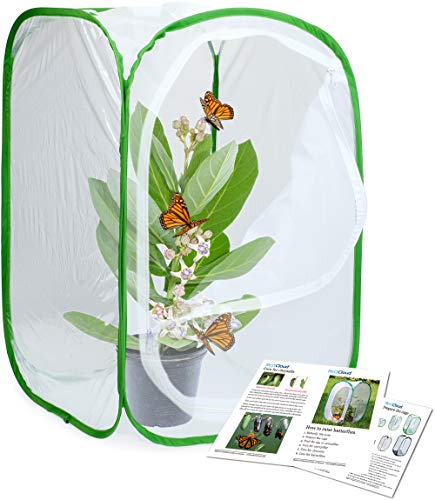
Best for: educators and families who want a tall, stable enclosure that sits upright and minimizes rocking. This model’s five mesh panels promote good airflow, reducing stagnant air and encouraging healthy development. The clear vinyl window helps observers monitor metamorphosis with minimal disturbance. It folds for storage when not in use.
Why selected: The tall, square design reduces tipping risk and accommodates multiple host plants. The unfolded dimensions provide generous space for monarchs, painted ladies, or black swallowtails, making it versatile for various species.
Caution: While durable, ensure the frame is fully opened and locked before introducing caterpillars to prevent accidental collapse during feeding.
Insect and Butterfly Habitat Cage Terrarium Pop-up 12 X 12 X 12 Inches

Best for: smaller classrooms or desk-side demonstrations where space is limited. The compact cube fits on tables or shelves while still providing visibility of the life cycle. A collapsible design makes it easy to store between sessions.
Why selected: This size is ideal for repeated demonstrations with a single brood, keeping groups focused without overcrowding. The five-panel airflow system helps maintain comfortable humidity and airflow for healthy caterpillar development.
Caution: The smaller footprint may constrain large milkweed plants; plan plant size accordingly and rotate as needed to avoid crowding.
Pop-up Insect and Butterfly Habitat Cage Terrarium Clear Mesh Enclosure – 16″ x 16″ x 24″
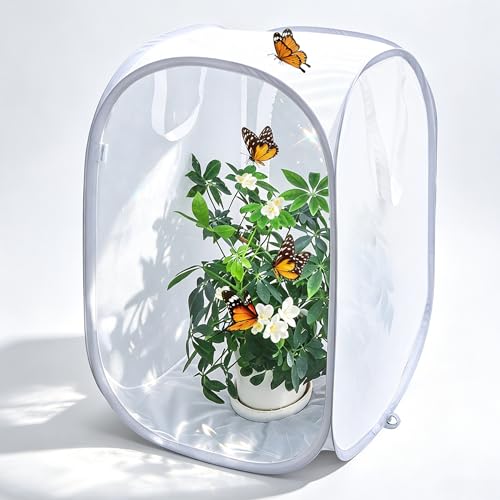
Best for: classrooms or homes seeking bigger viewing windows and a taller height for caterpillars and chrysalis stages. The clear mesh is designed to offer easy observation without obstructing airflow.
Why selected: The collapsible frame folds flat for storage and is tall enough to accommodate milkweed plants while still allowing ample headroom for developing butterflies. The 16″ x 16″ base provides stability during routine feeding.
Caution: Ensure the zippered access is used gently to avoid stressing chrysalis on the roof during feeding or release.
KraAra Insect & Butterfly Habitat Cage, 24 Inches Tall

Best for: larger groups and installations that need ample space for multiple caterpillars and two milkweed plants. The interior provides a spacious environment to reduce crowding and promote healthy wing development.
Why selected: The square frame stays steady and a five-panel mesh setup offers clear observation from multiple angles. The large side zipper door facilitates convenient feeding and butterfly release without disturbing chrysalis enclosures.
Caution: The larger footprint requires a stable surface and adequate room for safe operation, especially in classrooms with limited space.
RESTCLOUD 36″ Large Monarch Butterfly Habitat

Best for: large-scale projects, classrooms, or dedicated butterfly-rearing setups that require significant space. Capable of raising many caterpillars at once with tall interior height for larger species growth.
Why selected: The 24 x 24 x 36 inch footprint creates a tall, open habitat that reduces crowding and offers intuitive observation from a range of angles. The collapsible design makes storage practical between sessions.
Caution: Ensure stable anchoring if used outdoors; strong winds or uneven ground can destabilize this larger unit.
Buying Guide
What size is right for your project?
Choose based on the expected number of caterpillars and the space you have. Smaller units work well for desk demonstrations and 1–2 host plants. Larger cages support bigger groups and multiple plants but require more room and stable setup.
What features matter most?
- Airflow: Look for multiple mesh panels to keep air circulating and maintain humidity.
- Viewing: Clear vinyl windows or transparent mesh enable easy observation with minimal disturbance.
- Access: A side zipper or front door simplifies feeding and release without stressing occupants.
- Portability: Collapsible designs save storage space between sessions.
Materials and durability
Most pop-up habitats use nylon or polyester mesh with a frame that locks into position. Durable materials resist tearing and are easier to clean after caterpillar debris and frass buildup. A bottom that’s easy to hose or wipe reduces cleaning time between uses.
Maintenance and care
Regularly clean the interior with a gentle rinse and dry completely before reusing. Remove chrysalis or butterflies with care when moving the habitat. Store in a dry place to prevent mildew on fabric components.
Safety and handling tips
- Place habitats away from direct sunlight to avoid overheating the interior.
- Avoid overcrowding; give each larva space to grow and develop wings.
- supervise young learners and use gentle handling during feeding and releases.
Frequently asked questions
- What is a butterfly habitat used for?
They provide a safe enclosure for caterpillars and chrysalis observation, supporting educational demonstrations and butterfly release programs.
- How many caterpillars can fit in a 24″ tall habitat?
Capacity varies by design; some models accommodate dozens, while others are suited for a smaller brood. Refer to product dimensions and manufacturer guidance for recommended occupancy.
- Are these habitats reusable?
Yes. All listed models emphasize collapsible designs for repeated use and easier storage between sessions.
- Can I keep monarchs in these cages?
Many models are designed for Monarchs and other common garden butterflies, but always verify species compatibility and local regulations before rearing.
- Do these cages require assembly?
Most are pop-up and pre-assembled, but proper setup and locking are essential for stability during use.