Answering the essential question for buyers: these propane heaters are designed to safely warm compact spaces like camper vans and RVs using portable propane. The best options balance heat output, safety features, and fuel efficiency for small living areas. This guide highlights five top picks, outlining who each heater is best for, and why each was selected. The quick reference table below helps compare key specs at a glance.
| Product | Best For | BTU Range | Key Benefit |
|---|---|---|---|
| Mr. Heater 9,000 BTU Portable Buddy | Compact spaces, all-season use | 4,000–9,000 | Indoor/outdoor approved, heats up to ~225 sq ft |
| Mr. Heater MH9BX | High-altitude camping, safety-conscious | 4,000–9,000 | Outdoor approved, auto shut-off, oxygen depletion protection |
| Heat Hog 4,000 BTU | Small spaces, portable heat | 4,000 | Angled head directs heat; no electricity needed |
| Gsmhoat Propane Patio Heater | Medium to large outdoor areas | 6,000–18,000 | Three heat settings, CSA regulator included |
| OKF Propane Heater | Versatile indoor/outdoor use | 6,000–18,000 | Three modes, ODS and tip-over protection |
Mr. Heater 9,000 BTU Portable Buddy Radiant Propane Heater
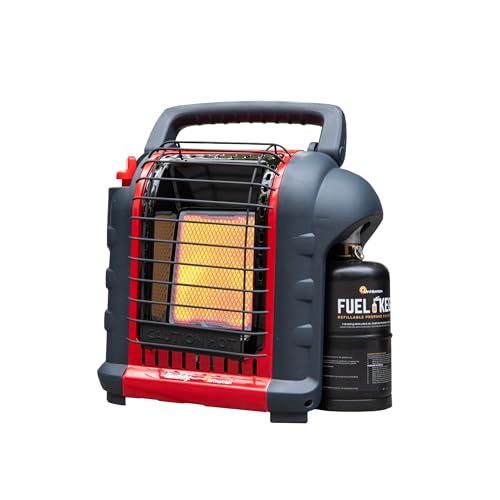
This radiant heater provides 4,000 or 9,000 BTU/hr output, making it flexible for small camper van spaces. It’s designed and approved for both indoor and outdoor use, with heat distribution suitable for approximately 225 square feet. Best for travelers who need a portable, dual-use unit that can operate safely inside a van or on a campsite. A caution: ensure proper ventilation and never run in completely enclosed spaces without air exchange.
Who it’s best for: Weekend travelers and van dwellers seeking a compact, versatile heater that can double as a backup heat source. Why selected: strong safety and indoor/outdoor approval with consistent radiant heat.
Limitations: Requires careful placement to prevent overheating in tight spaces; monitor carbon monoxide risk and never obstruct air intakes or outlets.
Mr. Heater MH9BX-Massachusetts/Canada approved portable Propane Heater

The MH9BX offers 4,000–9,000 BTU radiant heat for spaces up to about 225 square feet. It’s approved for outdoor use, known for clean-burning performance, and nearly 100-percent efficient operation. A notable caveat: at altitudes above 7,000 feet, the heater may shut off, which is important for high-desert or mountainous RV routes. It includes auto shut-off if tipped over or if the pilot light goes out, or if low oxygen is detected.
Who it’s best for: Vaners who frequently travel in mountainous regions or at high altitudes, and those who prioritize safety shut-offs. Why selected: robust safety features and reliable high-altitude behavior.
Limitations: Altitude sensitivity may require occasional adjustments or alternate heating plans in extreme elevations.
ORBEK RV Tankless Water Heater (Warmth & Comfort for RVs)
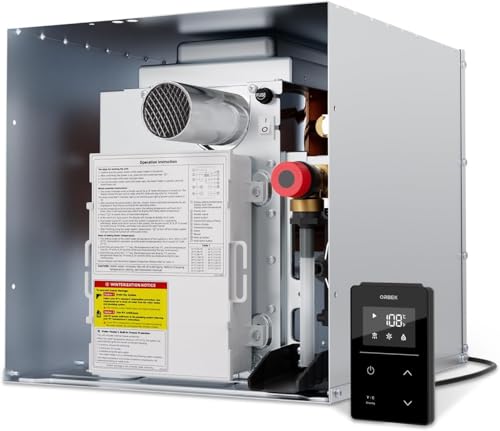
While primarily a water heater, Orbek’s system serves RVs by delivering instant hot water with a 60,000 BTU equivalent heat delivery rate and on-demand operation. It uses staged combustion to maintain steady temperatures, and is designed to adapt to high altitudes with efficient heat exchange. This option is best for campers who want hot water reliability alongside space heating considerations. A caution: installation requires compatible space and proper venting for safe operation.
Who it’s best for: RV families needing reliable on-demand hot water with compatibility for various RV models. Why selected: strong energy efficiency and on-demand performance for busy living aboard.
Limitations: Not a pure space heater; ensure you have a suitable installation plan and venting for overall system safety.
Heat Hog 4,000 BTU Portable Propane Radiant Space Heater

Designed for portability, Heat Hog provides 4,000 BTU of radiant heat and is usable indoors or outdoors. It’s ideal for small garages, tents, and vans in need of quick warmth. An angled head directs heat precisely where you want it, extending the heating reach to a wider area than standard compact heaters. Pick this if you want a compact heater that delivers heat quickly without relying on electricity. A limitation: best for smaller areas due to its 4,000 BTU output.
Who it’s best for: Van dwellers needing a simple, cord-free heat solution for compact zones. Why selected: no electricity needed and focused heat delivery with wider reach.
Gsmhoat Propane Patio Heater (Outdoor, 18,000 BTU)

This foldable outdoor heater offers 6,000–18,000 BTU with a CSA-approved regulator. It’s suitable for larger outdoor camping areas, workshops, or outdoor van setups. Best for van users who extend living space outdoors or frequent evenings outside with reliable warmth. A caution: designed primarily for outdoor use; ensure proper ventilation and stable, level placement.
Who it’s best for: Van campers who spend time in patios or park spaces and need flexible, higher-output heat outdoors. Why selected: high BTU range and foldable design for portability.
OKF Propane Heater (6,000–18,000 BTU)

OKF provides three heat modes with 6,000–18,000 BTU output and includes ODS and tip-over protection. The indoor-outdoor design supports various van setups, including garages or campsites. The unit is meant to be used with a 20 lb propane cylinder and a regulator/hose. A caution: operation in enclosed spaces should follow all ventilation guidelines and safety precautions.
Who it’s best for: Van travelers needing flexible indoor/outdoor warmth with robust safety protections. Why selected: multi-mode heating and strong safety features for diverse environments.
Buying Guide: Key Considerations For Camper Van Propane Heaters
- Space and heat needs: Measure your van’s living area and choose BTU output accordingly. Higher BTU units heat larger areas but may be overkill in small vans.
- Ventilation and safety: Prioritize models with oxygen depletion sensors (ODS), automatic shut-off on tip-over, and pilot/ignition safety features. Always ensure proper ventilation in enclosed spaces.
- Fuel and portability: Consider how easy it is to transport and connect to a standard propane cylinder. Some units require electricity; others operate without it.
- Altitude performance: If you travel in high elevations, check for high-altitude compatibility or features that prevent shutdowns in thin air.
- Indoor vs outdoor suitability: Indoors, ensure the heater is approved for indoor use. Outdoors, portability and stability become more critical.
- Installation and space: For water heaters or combined RV systems, assess installation requirements and whether the unit fits your van’s layout.
Frequently Asked Questions
- What is the safest camper van propane heater for indoor use?
Answer: Choose models with integrated safety features such as oxygen depletion sensors, tip-over switches, and automatic shut-offs. Ensure proper ventilation and follow safety guidelines. - Do propane heaters require electricity in a van?
Answer: Some models operate without electricity (manual ignition), while others may require power for fans or electronic ignition. Check product specs before purchasing. - Can I use a propane heater in a small van all night?
Answer: It’s possible with proper ventilation, a safe installation, and continuous monitoring. Use low to moderate BTU settings and never sleep in a sealed space with a heat source. - How do I choose the right BTU for my van?
Answer: For small vans (120–180 sq ft), 4,000–9,000 BTU is often sufficient. Larger or poorly insulated spaces may require higher BTU, but ventilation remains critical. - What maintenance is needed for propane heaters?
Answer: Regularly inspect hoses, regulators, and connections for leaks, keep vents clear, and replace any damaged components per manufacturer instructions. - Are all propane heaters safe for RV use?
Answer: Not all are designed for RV use. Verify indoor-use approval and adherence to safety standards specific to RV or camping environments.