Find a compact, reliable espresso solution for camping or travel. This guide highlights five camping-friendly options, each suited to different needs—from ultra-portable hand-pump styles to electric self-heating units. The best pick depends on how you brew, how much coffee you want per cup, and how you recharge on the trail. The buyer’s table below helps compare core traits at a glance.
| Product | Best For | Key Benefit |
|---|---|---|
| Primula Classic Stovetop Espresso Maker | Traditional stovetop lovers | Six cups, durable cast aluminum, even heat |
| Wacaco Minipresso GR | Ultra-portable espresso on the go | Manual, no electricity, compact |
| Portable Espresso Machine 20-Bar (zxfcfo) | Ground coffee and capsules on camping trips | 20-bar pump, fast brewing |
| OutIn Nano Portable Electric Espresso Machine | Electric self-heating convenience | USB-C charging, rich crema |
| DITOSH 3 Cup Aluminum Espresso Stovetop | Budget stovetop option | Classic moka with multiple cup sizes |
Primula Classic Stovetop Espresso Maker

The Primula Classic is a six-cup moka pot designed for stovetop brewing. It uses durable cast aluminum and distributes heat evenly to produce a robust espresso suitable for American-style Italian-coffee interpretations. This option is best for campers who prefer a traditional moka process without electronics. It is recommended for campers who drink multiple small servings and want a reliable, durable pot that works with standard stovetops or camp stoves.
Best for: Campers who value a proven, manual moka method with a simple setup and six-cup capacity. Use this if you want straightforward espresso shots with classic flavor and minimal maintenance.
Caution: Avoid overfilling the lower chamber and ensure a steady heat source to prevent scorching or coffee oil buildup over time.
Wacaco Minipresso GR

The Wacaco Minipresso GR is a compact, handheld espresso machine that operates without electricity. Its manual piston system allows the user to customize grind and pressure for up to 50 ml of espresso with crema. This option is best for travelers who want true espresso on the move, fit in a bag, and don’t rely on power sources while outdoors.
Best for: Solo campers who need ultra-portable espresso on hikes or at sites without power. Choose this if you prioritize portability and independence from batteries or electricity.
Caution: Requires manual effort and produces smaller doses—perfect for single shots or small lattes, but not suited for larger groups.
Portable 20-Bar Espresso Machine (zxfcfo)
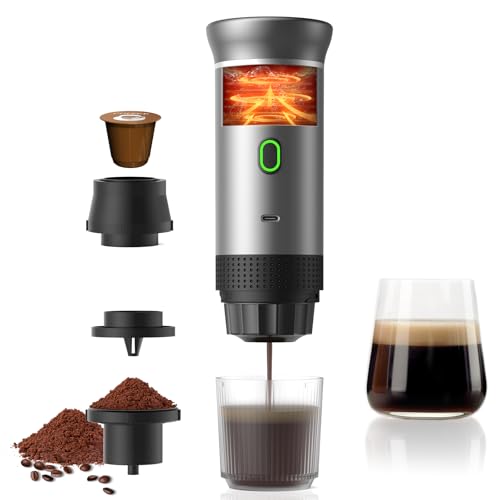
This 3-in-1 camping coffee maker supports both ground coffee and Nespresso capsules, delivering a 20-bar extraction and a rich crema. It’s designed for quick setups and can brew a robust espresso in about 40 seconds. Best for campers who want quick, café-style espresso and flexible coffee options in remote locations.
Best for: Campers who crave café-like espresso using either ground coffee or capsules, with fast brews and strong crema.
Caution: Consider capsule compatibility and battery or power needs for extended trips if using the electric components.
OutIn Nano Portable Electric Espresso Machine
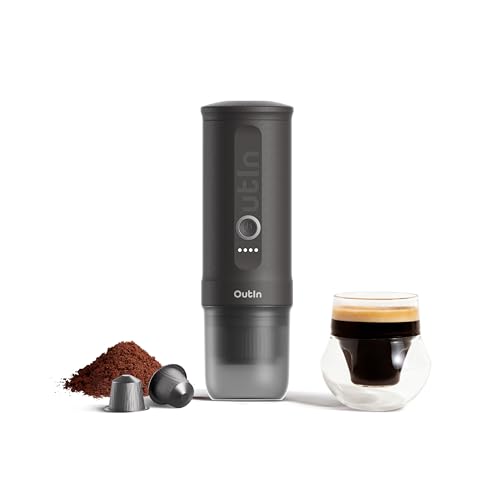
The OutIn Nano is a lightweight, self-heating travel espresso maker that runs on USB-C charging. It uses up to 20-bar pressure and is designed to deliver rich crema quickly. This option is ideal for campers who want an electric, self-contained brew on-site without relying on a stove. It supports both ground coffee and NS capsules in a compact form.
Best for: Campers who appreciate electric convenience, quick heat-up, and a compact build with strong crema on the trail.
Caution: Battery capacity is a consideration; ensure you have a reliable charging plan for multi-day trips to avoid power depletion.
DITOSH 3 Cup Aluminum Espresso Stovetop
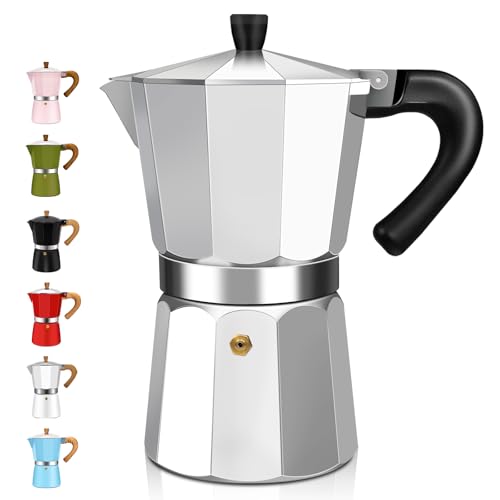
The DITOSH pot is a classic three-cup stovetop moka designed for Italian and Cuban-style coffee on the go. Cast aluminum construction ensures durability and even heat distribution, with a flip-top lid for safe handling. It supports multiple cup sizes and can be used on gas or ceramic stoves, making it versatile for camping and home use.
Best for: Campers who want a budget-friendly stovetop moka that still delivers rich espresso in multiple cup sizes. Choose this if you value classic moka flavor and affordable durability.
Caution: The flavor and aroma may require a few uses to season the pot and lessen any initial odor from the aluminum.
Buying Guide
- Brewing Method: Choose a manual moka pot for traditional espresso flavor or a portable pump/ electric unit for faster brewing on trips.
- Portability: If space matters, prioritize compact devices like the Minipresso GR or Nano Electric models over larger stovetop pots.
- Power Source: For wilderness trips without power, hand-pump or stovetop options are ideal; for car or campsite electricity, consider self-heating or USB-C powered models.
- Capacity: Campers drinking multiple cups may prefer larger pots (e.g., 6-cup or 12-cup models) over single-shot devices.
- Durability: Cast aluminum and robust seals help withstand rugged use and frequent packing.
- Maintenance: Simple disassembly and easy cleaning are important after days of field use.
- Crema and Flavor: Higher-pressure devices typically yield richer crema; check pressure specs and grind compatibility for best results.
FAQ
- What’s the easiest camping espresso maker? A compact manual device like the Wacaco Minipresso GR is designed for quick setup and no power dependence.
- Can I use NS capsules with camping models? Some portable units support capsules; verify compatibility before purchase.
- Is a higher pressure better for camping espresso? Higher pressure can improve crema, but practical results depend on grind, temperature, and device design.
- Are these devices durable for outdoor use? Most options use cast aluminum or stainless steel and are built for travel, but avoid exposed moisture and harsh impacts.
- Do these makers work with both ground coffee and capsules? Some models do; confirm the compatibility list for each product.
- Do I need electricity for all camping espresso makers? No. Hand-pump and stovetop models work without power, while electric models require charging or batteries.