Looking for a portable gas stove for camping, tailgating, or emergency cooking? This guide highlights five top options that balance portability, heat output, and safety features. Each stove is best suited for different outdoor needs—from ultralight solo trips to family cookouts. The list includes dual-fuel and propane designs to fit common fuel preferences and camping scenarios. Use the quick reference below to compare core strengths and intended buyers.
| Product | Best For | Key Strength |
|---|---|---|
| Gas One GS-3400P | Dual-fuel campers and emergency kits | Gas flexibility and reliable ignition |
| Gas One Portable Butane Stove | Casual campers and tailgaters | Automatic ignition and safety features |
| ODSD 2 Burner Camping Stove | Group camping and versatile cooking | Two burners with wind protection |
| Camp Chef Explorer | All-weather outdoor cooking | Two large burners and wind protection |
| Coleman Triton+ 2-Burner | Families, car camping | InstaStart ignition and wind guards |
Gas One GS-3400P Propane or Butane Dual Fuel Stove
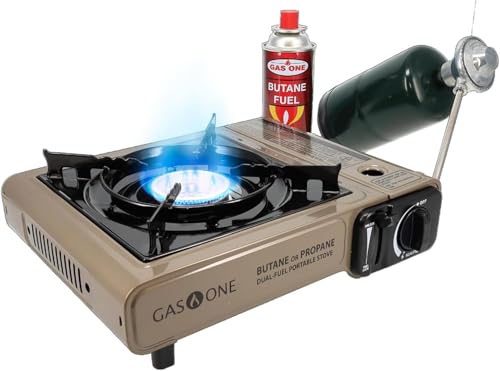
The Gas One GS-3400P is a dual-fuel portable stove designed for flexibility in fuel choice. It weighs the convenience of using either butane or propane, with a propane converter regulator included and an automatic piezo-electric ignition. This model suits campers who want reliable ignition without matches and who may swap fuel types based on availability. Best for: solo hikers or small groups who prioritize fuel versatility and quick setup. Limitation: fuel availability varies by location, and the unit requires a compatible cartridge or cylinder.
Gas One Portable Butane Camping Stove With Case

This stove emphasizes safety and ease of use with automatic ignition and a safety shut-off system. It is optimized for 8 oz butane canisters, delivering high output for quick boiling. The included carrying case makes it ideal for campers who value organization and transportability. Best for: weekend campers and tailgaters who want fast setup and secure storage. Limitation: designed for 8 oz canisters; larger fuels require different configurations.
ODSD 2 Burner Camping Stove With Windshield
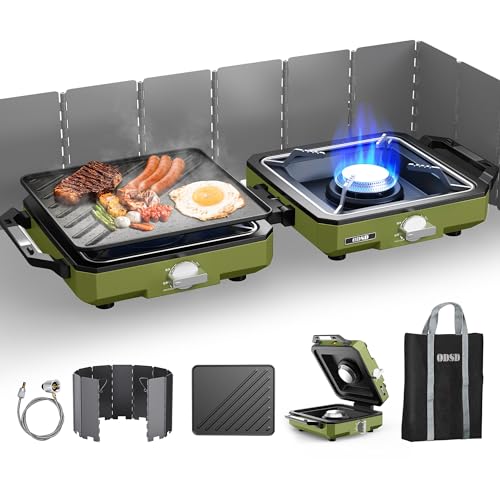
The ODSD unit features two independently adjustable burners delivering up to 20,000 BTUs, plus a windproof shield to stabilize flame and enhance safety in open-air cooking. Its magnetic closure adds quick setup and stability when transporting. Best for: campers who need flexible cooking (boil, fry, grill) and more burner options. Caution: wind conditions can influence performance if windshield is not properly deployed.
Camp Chef Explorer Two-Burner Stove

The Camp Chef Explorer combines two 30,000 BTU cast-aluminum burners with a sturdy, weather-resistant build, three-sided windscreen, and detachable legs for quick setup. It’s well-suited to serious outdoor cooks who need reliable heat in variable conditions. Best for: family or group camping where stability and cooking speed matter. Limitation: larger footprint may require more storage space at the campsite.
Coleman Triton+ 2-Burner Propane Camping Stove
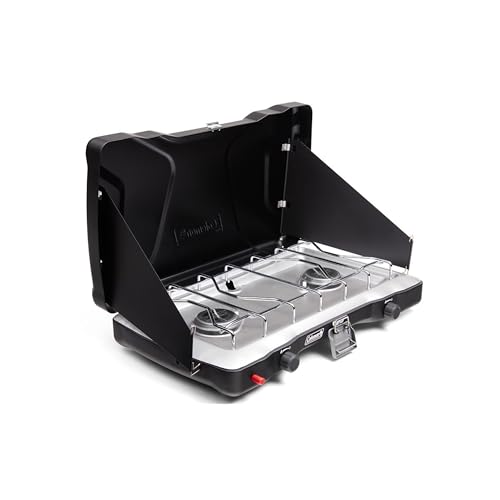
The Coleman Triton+ offers two independently adjustable burners with InstaStart ignition and built-in wind guards. Its portability, handle, and durable construction make it a solid all-around option for car campers and families who want predictable performance. Best for: groups that need reliable ignition and wind protection without carrying heavy equipment. Caution: larger cooking setups may require a level surface for optimal stability.
Buying Guide: Key Considerations For Choosing A Camping Gas Stove
- Fuel compatibility: Dual-fuel stoves offer flexibility, while single-fuel stoves can be more lightweight and cost-effective. Consider what fuel is most accessible at your campsites.
- Heat output and efficiency: BTU ratings indicate potential cooking speed. Higher BTU may boil water faster but consume fuel more quickly in sustained use.
- Wind resistance: Wind guards or built-in shields improve stability and efficiency in breezy environments. Always choose a stove with wind protection for outdoor cooking.
- Portability vs. stability: Portable stoves excel on lightweight trips; larger, two-burner models provide more cooking surface but require more space and setup.
- Ignition type: Piezo-electric or InstaStart ignition reduces the need for matches. Ensure reliability in wet or cold conditions.
- Safety features: Automatic shut-off systems, heat shields, and secure fuel connections minimize risks during transport and use.
- Included accessories: Carry cases, windshields, legs, and regulators can influence setup time and transport convenience.
- Cleaning and maintenance: Removable grates and accessible components simplify cleaning after meals.
Frequently Asked Questions
- What should I consider when choosing between dual-fuel and propane-only stoves?
Dual-fuel stoves offer flexibility if you have variable fuel access; propane-only stoves tend to be simpler and lighter. - Are wind guards essential for camp stoves?
Wind guards improve flame stability and cooking consistency, especially in open or windy sites. - Is automatic ignition reliable in cold or wet conditions?
Piezo or InstaStart ignition is designed for quick ignition, but always carry a backup lighter for reliability in adverse conditions. - What is a practical BTU range for camping cooking?
10,000–20,000 BTUs per burner covers most camping needs, from boiling water to sautéing, but total stove output depends on burner configuration. - Do I need a carry case?
Carry cases protect components and simplify transport, especially for weekend trips and family camping. - How important is a two-burner setup for camping?
Two burners yield more cooking options (boiling, frying, and simmering simultaneously) and are useful for groups.