The best camping heaters that require no electricity deliver reliable warmth in tents, cabins, and open shelters. This guide highlights options ideal for campers, hikers, ice fishermen, and hunters who need portable heat without power outlets. Each product is chosen for safety, ease of use, and suitability for small spaces or outdoor areas. Read on to compare heat output, fuel type, and practical limits to pick the right heater for your trip.
| Product | Best For | BTU / Heat Type | Fuel |
|---|---|---|---|
| Portable Propane Heater for Camping | Small spaces, tents | Radiant heat | Propane |
| 2 in 1 Portable Kerosene Heater & Stove | Multi-use, off-grid cooking | Kerosene radiant | Kerosene |
| Mr. Heater Buddy Radiant Propane Heater | Medium spaces, indoor/outdoor use | Radiant heat | Propane |
| Portable Propane Heater With Base Holder | Open outdoor areas | Radiant heat | Propane |
| Heat Hog 4,000 BTU Portable Heater | Garage, tent, boat | Radiant heat | Propane |
Portable Propane Heater for Camping
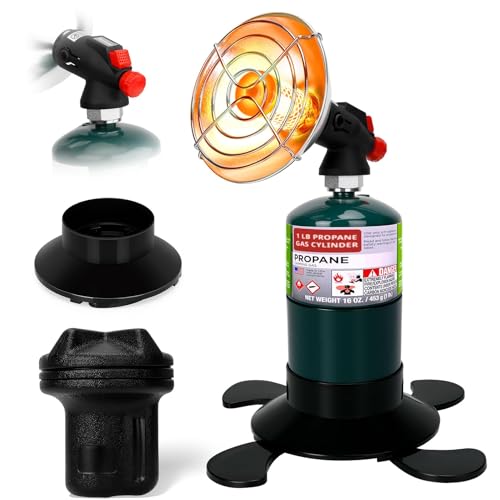
Brand: ZYSUN. This compact propane heater provides fast radiant warmth in small outdoor spaces. It includes a foldable base and a protective front grill for safer operation, and a brass connector for a secure, leak-resistant connection. Best for: camping in tents, ice fishing shelters, or any small outdoor space where quick, direct heat is needed. Caution: ensure adequate ventilation and never exceed recommended use in enclosed spaces.
2 in 1 Portable Kerosene Heater & Stove
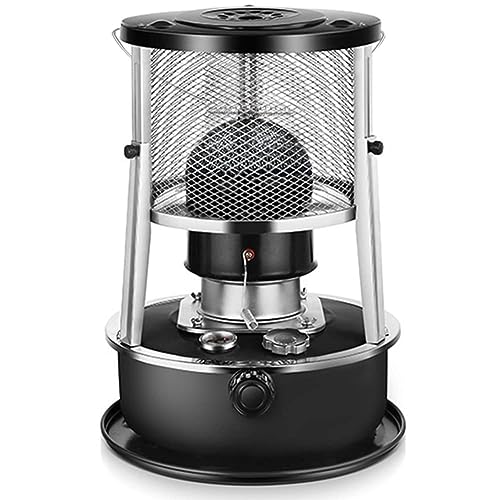
Brand: LINWIN. A 2-in-1 heater and stove designed for camping, hunting, and emergency use. It offers height adjustability and a carry handle for easy transport. Best for: campers who want both heat and cooking capability in one compact unit. Limitation: depends on kerosene availability and proper fuel handling; some setups may require longer setup times in cold conditions.
Mr. Heater 9,000 BTU Buddy Radiant Heater
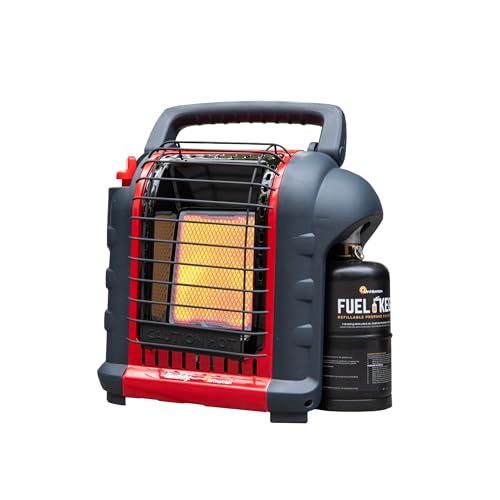
Brand: Mr. Heater. This portable propane heater delivers 4,000 to 9,000 BTU per hour, suitable for spaces up to roughly 225 square feet. Best for: medium-sized tents or outdoor spaces where consistent radiant heat is desired. Caution: designed for outdoor use; ensure adequate ventilation to avoid carbon monoxide buildup in enclosed areas.
Portable Propane Heater With Base Holder

Brand: Loyala. Features a stable foldable gas cylinder stand and a storage box for portability. It can deliver up to 8,500 BTU, with a low-pressure valve for safer operation. Best for: open-air tents, cabins, and outdoor shelters where stable heat is needed without electricity. Caution: ensure safe clearance from flammable materials and never place near tents or gear that could be damaged by heat.
Heat Hog 4,000 BTU Portable Heater

Brand: Heat Hog. A compact 4,000 BTU heater suited for garages, tents, and small outdoor spaces. It uses propane and requires a 1 lb cylinder, offering angled heat direction and a broad heating area. Best for: quick warmth in portable setups where heat needs to reach a broader zone. Limitation: limited heating area compared to higher BTU models; best for smaller spaces.
Gasfargo Propane Heater 6200 BTU

Brand: Gasfargo. Outdoor-focused propane heater rated at 6,200 BTU with USB Lighter and cylinder stand for stability. Best for: open campsites and windy environments where reliable radiant heat is needed without electricity. Caution: outdoor use only; verify ventilation and keep away from flammable materials.
Buying Guide
Key considerations when selecting a no-electricity camping heater:
- Heat output vs space: Higher BTU numbers heat larger areas; match to tent size or shelter footprint.
- Fuel type and availability: Propane is common and easy to refuel; kerosene offers longer burn but requires handling and ventilation.
- Ventilation and safety: Always use outdoors or in well-ventilated areas; keep heaters away from flammable materials; use protective grills or bases where provided.
- Portability and setup: Look for foldable bases, carry handles, and stable stands for uneven ground.
- Fuel efficiency and run time: Check expected burn time per tank and plan fuel purchases accordingly.
- Durability and weather tolerance: Weather-resistant casings and reinforced bases help when used in snow or rain.
Frequently Asked Questions
- Can I use these heaters inside a tent?
Best practice is not to use any fuel-burning heaters inside enclosed tents unless the product is explicitly rated for indoor use and proper ventilation is ensured. - What fuel types are most common?
Propane is the most common for portable camping heaters; kerosene is used by some models but requires careful handling. - How do I prevent carbon monoxide risk?
Always operate heaters outdoors or in a well-ventilated area; never run them in enclosed spaces without a CO detector and proper ventilation. - What space size can a 9,000 BTU heater warm?
Approximately up to 225 square feet for radiant propane models, depending on wind and insulation conditions. - Are there safety features to look for?
Auto shut-off on tip-over, oxygen depletion sensors, and secure base designs help minimize risk in outdoor use. - Which heater is best for backpacking?
Smaller BTU units with foldable bases and light weight are better, prioritizing portability and fuel efficiency.