Answering your search for dependable camping stove fuel, this guide highlights versatile gas bottles that work with most portable stoves. It helps you pick fuels by weather, portability, and burn time. The top picks below are ideal for campers, hikers, and weekend adventurers who want reliable performance in the field. Each product section explains who it’s best for and why it was selected, with practical cautions where relevant.
| Product | Fuel Type | Best For |
|---|---|---|
| Gas One 12 Butane Fuel Canisters | Butane | Balanced portability and cost for regular backpacking |
| Hotdevil 100 g Isobutane/Propane Blend | Isobutane/Propane blend | All-season reliability in cold weather |
| Coleman 32 oz Premium Camping Fuel | Butane/Propane mix (broadly compatible) | All-weather, lanterns and stoves in one can |
| Gas One 4-Pack Butane Cans | Butane | Lightweight, multi-pack for longer trips |
| Coleman BottleTop Propane Stove Fuel | Propane | Higher heat and stability for larger stoves |
Gas One 12 Butane Fuel Canisters for Portable Camping Stoves

Best for: campers who want an affordable, reliable supply of fuel for frequent use with camp stoves. These canisters are sealed and reseal after removal, helping reduce leaks during transport and storage. The 12-count package suits weekend trips or communal cooking setups.
Why chosen: The setup provides ample burn time per can and straightforward compatibility with standard camping stoves. It supports consistent performance under typical outdoor cooking loads.
Caution: Butane performance can degrade in very cold conditions; consider an all-season option if you expect extreme weather use.
Hotdevil 100 g Isobutane/Propane Blend Camping Fuel

Best for: campers seeking reliable cold-weather performance and compact carrying capacity. The 4-pack is convenient for longer trips or group cooking, with a blend designed to improve vapor pressure in cooler conditions.
Why chosen: The blend balances butane and propane for steadier output as the fuel level drops, helping maintain consistent flame when temperatures are not ideal.
Caution: Blends may vary by batch; verify compatibility with your stove model and local climate needs before setting out.
Coleman 32oz Premium Camping Fuel

Best for: campers who want a versatile fuel that can power both stoves and lanterns in varied weather. Large capacity can support longer cooking sessions without frequent replacements.
Why chosen: Coleman’s all-season performance and high burn efficiency help maximize fuel use across multiple devices, making it a solid multi-tool canister choice.
Caution: Heavier than smaller cylinders; manage weight and bulk for ultralight backpacking or minimalist trips.
Gasone Butane Fuel Canister (4-pack)
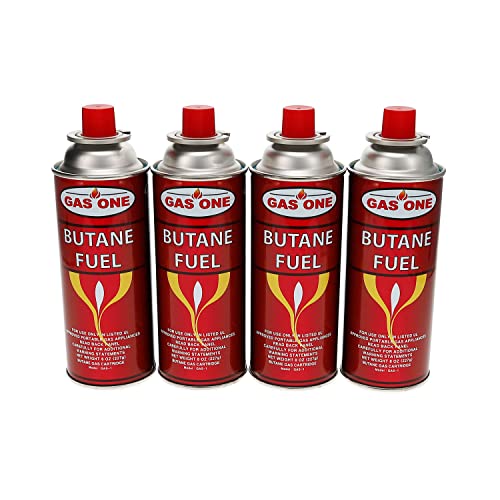
Best for: travelers who need a ready-to-use, lightweight fuel source with predictable burn times for quick meals on the trail.
Why chosen: A compact 4-pack keeps you prepared for back-to-back days of cooking, with each can marketed as lightweight for easy backpacking.
Caution: Butane canisters perform less reliably in very cold environments; consider an alternate fuel if you expect freezing conditions.
Coleman BottleTop Propane Stove Fuel with Adjustable Burner
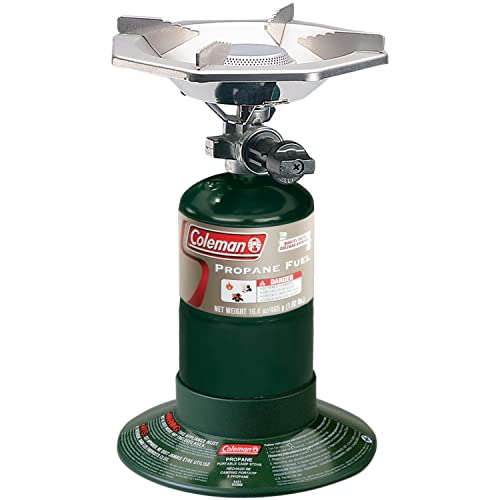
Best for: campers using propane-powered stoves that require higher BTU output and stable pressure for controlled cooking or extended boil times.
Why chosen: The combination of up to 10,000 BTUs and a pressure regulator ensures stable performance in fluctuating conditions, supporting efficient cooking in a range of outdoor setups.
Caution: Propane fuels can be less forgiving in extremely low temperatures; ensure compatibility with your stove’s regulator and temperature expectations.
Buying Guide
What fuel type should I choose?
Butane is common for small, portable stoves and lighter backpacking setups. Isobutane blends improve cold-weather performance. Propane offers higher heat output and stability for larger stoves or lanterns but requires compatible hardware.
How important is burn time and capacity?
Look for canisters and packs that align with your trip duration. Larger cans or multi-pack options reduce refill frequency but add weight. Consider device efficiency to estimate burn time per can.
Are there safety considerations?
Ensure proper storage away from heat sources, and inspect seals before use. Leaking fuel can be hazardous; follow manufacturer storage guidelines and transport regulations.
What about weather and climate?
Cold temperatures can suppress vapor pressure, reducing flame stability. Choose blends or larger-capacity options designed for cold conditions if you camp in winter or high altitudes.
Which fuels work with my stove?
Check your stove’s compatible fuel types and regulator requirements. Some stoves are designed for specific canisters or gas mixes, so verify fit and safety notes in the user manual.
Portability and convenience considerations
For hikers, weigh and packability matter. For family camping, multi-pack and larger capacity fuels may save trips to the car and reduce refill breaks.
Quick comparison at a glance
All five options provide reliable outdoor fuel, but differences in fuel type, capacity, and weather performance guide different use cases. Use the buying table above to select the best fit for your trip length, environment, and stove compatibility.
Frequently Asked Questions
- What fuel is best for winter camping? Isobutane/propane blends tend to perform better in cold weather than pure butane.
- Can I mix fuel canisters? Not recommended; stick to the fuel type recommended by your stove manufacturer.
- How do I store used fuel canisters? Follow local disposal rules and store upright in a ventilated area away from heat.
- How many cans should I carry for a weekend trip? Plan for 1–2 cans per day, depending on cooking needs and stove efficiency.
- Are gas bottle canisters safe for air travel? Most airline rules restrict pressurized gas canisters; check airline and security regulations before travel.
- Can propane be used with any camping stove? Propane works with stoves designed for propane canisters; verify compatibility and regulators.