Discover reliable, lightweight options for outdoor shelter with camping tents from China. This guide highlights five tents that balance portability, weather protection, and ease of setup for casual campers, hikers, and families. Each entry notes who it’s best for and why it was chosen, with practical trade-offs to consider. Ideal buyers include weekend hikers, festival-goers, backpackers seeking lightweight gear, and families needing quick setup for ground-level protection.
Summary Table of Selected Tents
| Product | Brand | Best For | Notes |
|---|---|---|---|
| Camping Tent 2 Person, Waterproof Windproof Tent with Rainfly | unp | Two-person hikers and casual campers | Lightweight and roomy, good ventilation |
| Forceatt Tent for 2 Person | Forceatt | Backpacking and quick setup | Aluminum poles, windproof design |
| Tent for Camping – Lightweight Backpacking Tent | Wind Tour | Lightweight backpackers | Very light, compact, weather resistant |
| FanttikOutdoor Zeta C6 Pro | FanttikOutdoor | Family and group car camping | Instant setup, 6-person capable |
| Night Cat Backpacking Tent | Night Cat | One to two person lightweight use | Accessible setup, compact |
Camping Tent 2 Person: Lightweight, Waterproof Dome

Best for: Two-person outings where portability and simple setup are priorities. This tent weighs about 4.8 lb and fits a full air mattress in a 7′ x 5′ footprint with a 45″ height. It includes a removable rainfly and two zippers to keep rain out, along with guy lines for stability. The skylight net and large mesh window provide airflow and outdoor views, while an interior pocket keeps small items organized. The main trade-off is limited interior height, which may affect standing room for taller users.
Forceatt 2 Person Tent: Quick Setup & Strong Protection

Best for: Backpackers who want a reliable, windproof shelter with fast setup. It weighs about 5.5 lb and offers interior dimensions around 89 x 53 inches with a 43-inch height. Features include a fully waterproof construction up to 3000 mm, welded floor, full-coverage rainfly, and 7001-series aluminum poles for wind resistance. A potential limitation is the slightly heavier weight compared with ultra-light models, which may matter on long hikes.
Tent For Camping: Ultra-Light 2-Person
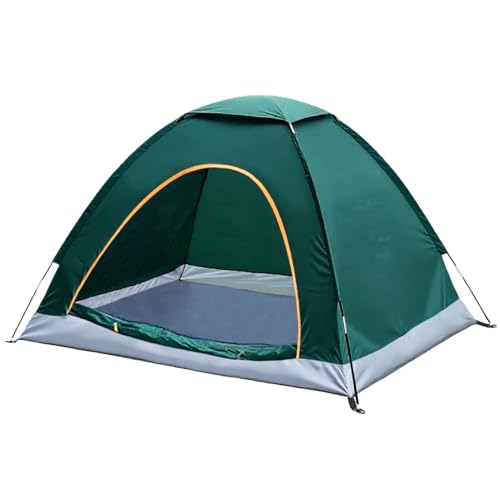
Best for: Backpackers and hikers who require an ultra-lightweight stance. The tent measures a compact footprint while offering space for two, with a combined fabric setup including 190T polyester and 150D Oxford cloth for weather resistance. Weighing just a few pounds, it easily fits into a small backpack. The trade-off is a modest interior height, which may limit standing space for taller users during longer stays.
FanttikOutdoor Zeta C6 Pro: Instant Cabin Tent

Best for: Families or groups who prioritize quick setup and room. This 6-person cabin-style tent uses pre-installed poles for a 60-second setup and includes a rainfly and windproof design. It features multi-side mesh windows, floor vents, and a ceiling mesh to improve ventilation and provide star visibility at night. A limitation is the potential bulkiness for hikers who need to carry gear on long treks, given its larger 6-person footprint.
Night Cat Backpacking Tent: One to Two People

Best for: Solo travelers or couples seeking a compact, easy-to-ship shelter. The Night Cat ZP-10 tent fits one person well, with ample storage space for gear and comfortable interior dimensions around 7.0 x 3.8 x 3.6 feet. It uses an upgraded fiberglass pole design for safer setup and folds down to a small size. A caution is the smaller entry and limited interior height, which may not suit taller campers for extended periods.
Buying Guide
What should I consider when choosing a camping tent?
Think about capacity, weight, and packing size. If you’re backpacking, prioritize ultralight fabrics and compact designs. For car camping or family trips, prioritize room, multiple entry points, and porch or vestibule space for gear.
How important is weather resistance?
Look for waterproof ratings, taped seams, and a full-coverage rainfly. A tub-style floor or welded seams helps keep moisture out on dewy grounds or sudden rain. Consider windproof features like sturdy poles and guy lines for exposed campsites.
What setup features matter?
Instant or quick-setup tents save time and effort, especially for families or first-time campers. Solo hikers may prefer freestanding designs that can be pitched with less fuss in variable terrain.
How does interior space affect comfort?
Interior height, floor area, and storage pockets influence usability. Taller campers should check peak height and standing room. Storage pockets help organize gear, reducing clutter inside the tent.
What are trade-offs with lightweight tents?
Ultra-light options often sacrifice interior height, durability, or weather protection. If you camp in mixed conditions, balance weight with robust materials and secure anchoring.
How should I choose based on the setting?
For festivals and beach trips, consider quick setup and ventilation. For family camping, prioritize space and privacy features. For hiking, favor compact packs, strong weather resistance, and reliable zippers.
Frequently Asked Questions
- What is the typical weight range for a 2-person camping tent?
Most 2-person tents range from about 2.5 to 6 pounds depending on materials and included poles. - Is a rainfly necessary for all-weather camping?
Not always, but a rainfly adds weather protection and helps with ventilation control in varied conditions. - How can I ensure a tent will be easy to set up?
Choose models with pre-attached poles, clear instruction diagrams, and fewer configuration steps. - Are cabin-style tents suitable for all terrains?
Cabin tents are best for level ground and stable surfaces; use stakes and guy lines on uneven ground for stability. - What should I know about floor durability?
Look for tub-style floors or welded seams to protect against ground moisture and wear. - Do lightweight tents compromise ventilation?
Not necessarily; many designs use mesh panels and vents to maintain airflow while protecting from rain.