Answering the question of how to stay cool on the road, these camping trailer air conditioners are selected for durability, energy efficiency, and ease of use in tents, RVs, vans, and trailers. The top picks cover portable and rooftop units, low-power models for off-grid living, and quiet operation for peaceful nights. This guide is ideal for campers, weekend travelers, and off-grid explorers who need reliable cooling without heavy power draw. Below you’ll find five well-suited options, a quick product comparison, and practical buying guidance to help you choose.
| Product | Best For | Power Type | Approx. Cooling |
|---|---|---|---|
| BougeRV PC35 Portable | Small tents and compact spaces | 12V/AC App Control | 3500 BTU |
| Somokg 12V RV Air Conditioner | Off-grid vans and trailers | 12V DC | 11000 BTU |
| BODEGA Portable Tent AC | Small tents and campsites | 110V compressor | 6000 BTU |
| Cybertake S2 Pro | Versatile power options for tents/RVs | Multiple (DC walls, 12/24V, 48V DC) | 5100 BTU cooling / 6100 BTU heating |
| Outohome 5200 BTU Portable | Compact spaces and light travel | AC power | 5200 BTU |
BougeRV PC35 Portable Air Conditioner
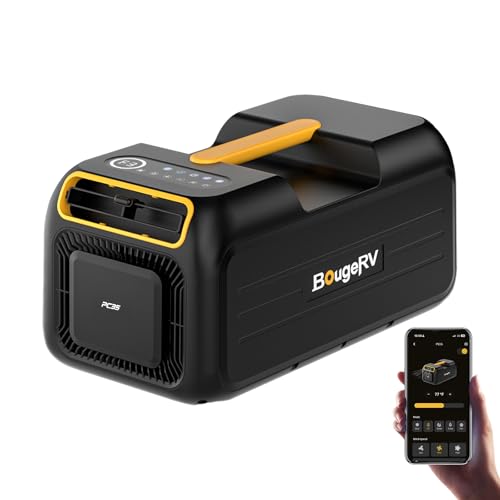
This 3500 BTU unit emphasizes fast cooling in small spaces up to about 64 square feet. It claims a rapid drop of 18°F (10°C) within 15 minutes in strong mode, with a temperature range of 61°F-90°F. It supports long-range app control via BougeRV App up to 33 feet, allowing temperature and mode adjustments from your seat. Ergonomic design and portable handling make it suitable for both tents and RVs.
Best for: campers who want quick cooling in a compact space and prefer app-based control for convenience. It’s a strong fit for a small tent or RV living area where proximity to the unit is common.
Caution: cooling performance can vary with ambient conditions and ducting; ensure proper ventilation to avoid overloading the unit in extreme heat.
12V RV Air Conditioner (Somokg)
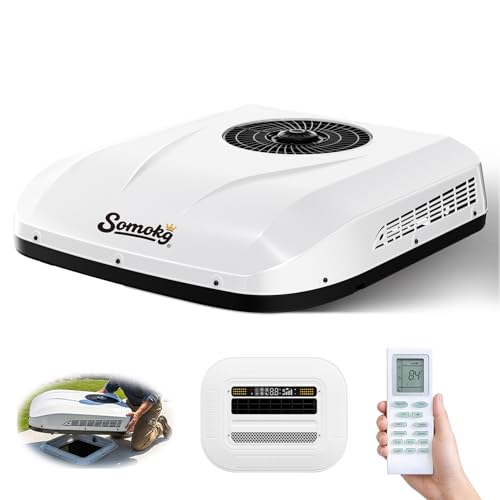
With 11,000 BTU cooling and ultra-low power draw, this 12V unit is designed for off-grid camping, vans, and trailers. It features a soft-start to reduce startup surge and can run for up to roughly 12 hours on a suitable battery system. Quiet operation (around 35dB) plus 360° vents offer even airflow.
Best for: off-grid adventurers who rely on batteries or solar power and need strong cooling without heavy electrical loads.
Limitation: the unit’s weight and power requirements mean it’s best paired with a robust energy system; ensure your setup can handle continuous operation.
BODEGACOOLER Portable Tent AC 6000 BTU

This real compressor-based cooling unit offers 6000 BTU and is designed for small tents and compact spaces (roughly 32-54 sq ft). It includes multiple modes, including cooling, fan, sleep, dehumidifier, and a max-cool/forced cooling option. The size and venting options make it flexible for tent setups and small shelters.
Best for: campers who want a dedicated cooling mode with dehumidification and a remote control for tent setups.
Caution: ensure the tent’s structure allows adequate exhaust and ventilation to maximize cooling efficiency.
Cybertake S2 Pro Portable Camping AC
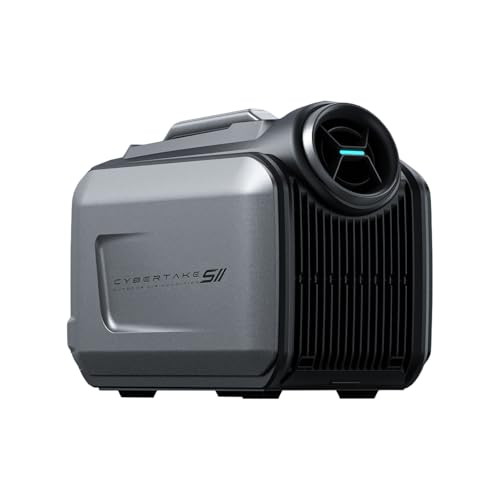
The S2 Pro provides versatile power options including AC wall, vehicle power (12V/24V), and 48V DC from a power station. It offers cooling (5100 BTU) and heating (6100 BTU), supporting spaces up to 130 square feet. It includes four modes (Cool, Heat, Dehumidify, Eco+) with adjustable fan speeds and a 0-12 hour timer.
Best for: campers seeking a flexible climate solution that can run from multiple power sources and function in both warm and cool conditions.
Limitation: Eco+ mode aims for efficiency but depends on available power; plan energy storage accordingly.
Outohome 5200 BTU Portable Tent AC

Outohome offers a compact 5200 BTU unit with a low-power draw and four modes: cooling, dehumidifying, sleep, and fan. It’s designed for indoor and outdoor use, with a 24-hour timer and a quiet operation profile in sleep mode. It focuses on quick cooling for small spaces, including tents, RVs, and small cabins.
Best for: travelers who want a balanced, quiet, and easy-to-use tent AC that works in a variety of small environments.
Limitation: power efficiency may vary with ambient temperatures; check electrical setup for extended use.
Buying Guide
What should I consider when choosing a camping trailer air conditioner?
Space size, power availability, and climate goals drive the best choice. Larger spaces typically need higher BTU ratings, while off-grid setups demand low power consumption and flexible power sources.
Which power source works best for camping air conditioners?
AC-powered units work where electrical hookups are available. 12V or 24V DC models suit off-grid use with sufficient battery capacity and solar support. Multi-source units (AC/wall, DC, or portable power stations) offer the most flexibility.
Is a real compressor cooler preferable to a fan-only unit?
Yes. Compressor-based units deliver true cooling, faster and more effectively in small spaces. Fan-only units can supplement cooling but won’t lower temperatures as significantly.
What maintenance helps prolong cooling performance?
Regularly clear condensate lines and filters, ensure proper drainage, and inspect seals around vents. Keep vents unobstructed and store units in dry conditions when not in use.
How do I estimate the right BTU for my space?
Calculate space in square feet and consider ceiling height. As a rough guide, 20 BTU per square foot is a starting point for tents and small spaces, but targeted cooling and insulation can modify needs.
How should I compare noise levels?
Look for decibel (dB) ratings, with lower numbers indicating quieter operation. Units advertised as under 40-45 dB are typically the quietest in camp settings.
What about installation considerations?
Rooftop units require roof-cutouts or mounting, while portable and tent-specific units focus on easy setup and exhaust venting. Always follow manufacturer installation instructions to prevent performance drops.
Frequently Asked Questions
- Q: Can I use a camping air conditioner in a tent without a power source?
- A: It requires a suitable power source, such as a battery or generator, or an electrical hookup.
- Q: Are 12V units sufficient for large RV interiors?
- A: They are typically designed for smaller spaces; larger interiors may need higher BTU units or multiple cooling zones.
- Q: Do these units require professional installation?
- A: Some rooftop models require mounting; most portable units are DIY-friendly with proper venting.
- Q: How is energy efficiency measured for camping ACs?
- A: Efficiency is influenced by BTU rating, airflow design, and whether the unit uses a compressor or fan-only system.