If you’re shopping for affordable cold-weather sleeping bags, you want warmth, durability, and compact packing without breaking the bank. This guide highlights five budget-friendly options that perform well in cool to cold conditions, with clear notes on who each bag is best for and any limitations. Ideal buyers include casual campers, family trips, weekend hikers, and students who need reliable warmth without high prices. The table below compares key specs to help you choose quickly.
| Product | Temp Range (F/°C) | Best For | Notable Limitations |
|---|---|---|---|
| FARLAND Cold Weather Sleeping Bag | 32°F to 50°F (0°C to 10°C); at limit to 14°F (-10°C) | Budget winter camps and family trips | Heavy for backpacking |
| Coleman Heritage Big & Tall | Approx. 10°F limit | Tall adults and overnight guests | Bulkier to pack |
| MalloMe Sleeping Bags | 50°F to 77°F | All-season use for kids and adults | Not a true extreme-winter bag |
| PTEROMY Sleeping Bags | 50°F to 80°F; limit 40°F to 90°F | All-season versatility; light backpacking | May feel bulky for ultralight hikers |
| SOULOUT 3-4 Season Sleeping Bag | Spring–cool nights; 3–4 season design | Family camping and outdoor adventures | Less compact than ultralight models |
FARLAND Sleeping Bag for Adults, Cold Weather

Best for budget-minded winter outings where warmth matters. This bag measures 86.6 by 32.68 inches, accommodating users up to 6 feet tall. It uses a waterproof windproof shell with fleece-like Microplush lining and a 400g/m² silk-like cotton fill to reduce heat loss. The temperature range covers 32°F to 50°F (0°C to 10°C), with an extreme limit near 14°F (-10°C).
Who it is best for: casual campers or families seeking reliable warmth without heavy gear. Why selected: strong insulation at a friendly price, plus waterproof wind protection. Caution: the bag is roomy but heavier than ultralight models, which may impact backpacking efficiency.
Coleman Heritage Big & Tall 10°F Flannel Sleeping Bag
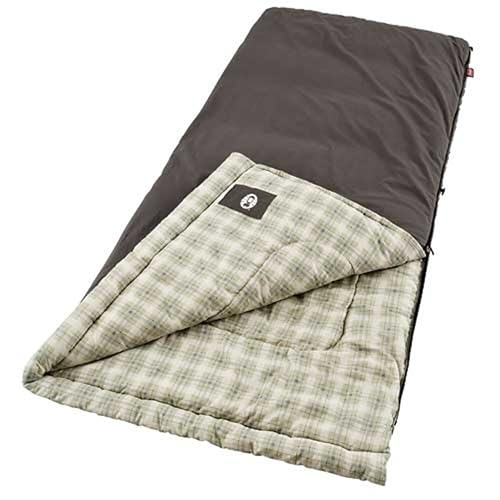
Designed for taller sleepers, this 4-season bag fits adults up to 6’7″ and uses Holofill insulation to help retain heat in colder conditions. Its size and no-snag zipper improve usability in cool to cold environments. Temperature rating centers around low-freezing comfort, making it a solid pick for late fall or winter camping with extra space.
Who it is best for: taller campers or guests needing a roomy, warm option. Why selected: reliable insulation and size; caution: bulkier exterior may require a larger pack or vehicle-based camping.
MalloMe Sleeping Bags for Adults

Best for all-season versatility and kids-friendly color options, this bag is lightweight for backpacking and includes a compression sack. Temperature rating sits around 50°F to 77°F, making it a comfortable choice for shoulder seasons and mild winter nights. It uses a waterproof outer shell and a multilayer interior designed to optimize warmth.
Who it is best for: families and casual campers who want a flexible, affordable bag. Why selected: good all-season performance at a lower price; caution: not ideal for extreme winter conditions or high-altitude treks.
PTEROMY Sleeping Bags for Adults

Good for travelers who want a balance of warmth and portability. This bag targets a 50°F–80°F comfort range with an adjustable head drawstring, inner pocket, and bottom vent zipper for temperature control. It’s machine washable and designed to stay warm after repeated uses.
Who it is best for: budget-conscious hikers who need a versatile bag for three-season use. Why selected: practical features for cool to mild winter nights; caution: not a dedicated extreme-winter bag.
SOULOUT 3-4 Season Sleeping Bag

Best for family camping and unpredictable nights, this bag covers 3–4 seasons with a focus on warmth retention and windproofing. The design includes a full-length draft tube and semi-rectangular shape to accommodate movement. It’s a value-oriented option for beginners seeking dependable warmth.
Who it is best for: families and casual campers who need a reliable multi-season bag. Why selected: broad season capability at a lower price; caution: bulkier when packed compared with lightweight models.
Buying Guide: Key Purchase Considerations
- Temperature and comfort range: Look for bags rated for at least 10–15 degrees below your typical sleeping temps. Consider your tolerance for cold and whether you’ll be in damp or windy environments.
- Insulation type and weight: Hollow fiber fill and synthetic options are common in affordable bags. They perform well in damp conditions and are easier to maintain than down, though they can add weight.
- Shell material and waterproofing: A waterproof or water-resistant outer shell helps protect against dew, light rain, and ground moisture—important for cheap cold-weather bags.
- Size and fit: Check length and shoulder width to ensure comfort. Larger “big & tall” designs suit taller users but may be heavier and bulkier.
- Packability: Look for compression sacks and pack size. Ultralight or compact bags save space but may trade warmth for weight.
- Maintenance: Machine-washable interiors and shells simplify care. Drying time matters for damp environments.
Frequently Asked Questions
- What temperature rating should I choose for truly cold nights? Aim for at least 10–15 degrees lower than the expected low temperatures to stay comfortable.
- Are synthetic bags better for wet environments? Yes. Synthetic fills resist moisture and dry faster, making them reliable in damp or humid camping.
- Is a bigger bag always warmer? Not necessarily. A bag should fit well; excessive space creates drafts. A snug fit with proper insulation performs best.
- What’s the difference between 3-4 season and 4-season bags? 3-4 season bags cover more temperatures and conditions, while 4-season bags maximize warmth in extreme winter environments.
- Do I need a separate liner? Liners add warmth and can extend your bag’s comfort temperature; they’re optional based on climate and comfort preference.