Looking for an affordable, compact grow tent that fits small hydroponic setups or Aerogarden-style systems? This guide highlights five budget-friendly, space-efficient options. Each pick is best for compact spaces, beginner growers, or hobby gardeners focusing on herbs, greens, or small flowering plants. Compare sizes, materials, and features to choose the right tent for your indoor garden without overspending. The table below summarizes key details to help you decide quickly.
| Product | Size | Best For | Notes |
|---|---|---|---|
| VIVOSUN Small Grow Tent | 20″×14″×21″ | Very compact setups; beginners | Light-sealed bottom; sturdy 600D canvas |
| MELONFARM 24″×16″×24″ | 24″×16″×24″ | Balanced space for moms and seedling trays | Double-stitched 600D canvas; observation windows |
| MELONFARM 18″×18″×36″ | 18″×18″×36″ | Taller plant growth in small footprint | Light-proof, durable; observation windows |
| ATOUR 18″×18″×32″ | 18″×18″×32″ | Planter racks and compact systems | 1680D canvas; double doors |
| POTLAB Small Grow Tent | Small AeroGarden compatible | Ultra-compact AeroGarden setups | Basic enclosure; affordable |
VIVOSUN Small Grow Tent for Aerogarden

Best for ultra-compact Aerogarden-style systems or small herb setups. The VIVOSUN tent uses a sealed bottom and 100%-reflective diamond Mylar to maximize light efficiency. It’s easy to assemble and offers SBS zippers for quick access, allowing growers to monitor plants without full exposure. Suitable for beginners and professionals needing a lightproof, compact enclosure. Caution: the smaller footprint may limit plant size and scale.
MELONFARM 24″×16″×24″ Small Grow Tent

Best for a balanced space with more room than ultra-compact tents. This MELONFARM model features a highly reflective 600D diamond Mylar canvas, a waterproof layer, and a dual observation window design for quick checks without disturbance. The heavy-duty zipper door and floor tray help manage spills. Choose this if you want a step up from ultra-small tents while staying budget-conscious. Caution: heavier setup may require more floor space.
MELONFARM 18″×18″×36″ Small Grow Tent
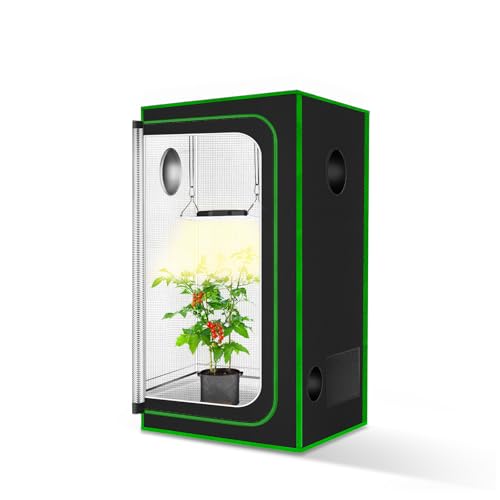
Best for taller plants in a compact footprint. The 18″×18″×36″ tent provides extra vertical space while staying within a small floor area. It uses a durable 600D canvas with high reflectivity and a double observation window system. Great for herbs with a vertical growth habit or starter transplants. Caution: height is limited by room clearance; ensure your lighting setup fits within the tent interior.
ATOUR 18″×18″×32″ Grow Tent

Best for compact setups needing robust materials. This ATOUR model uses a 1680D Oxford canvas for durability and light sealing, paired with highly reflective interior lining to maximize grow-light efficiency. It includes a double-door design and a waterproof tray to reduce leaks. Choose this when you want a durable, easy-to-clean tent that still fits a small space. Caution: tighter interior may limit larger trays or equipment mounting.
POTLAB Small Grow Tent for AeroGarden

Best for ultra-compact AeroGarden-style systems or targeted herb gardens. POTLAB offers a simple, cost-effective enclosure suitable for very small setups. The compact design focuses on light containment and basic environmental control at an entry-level price point. Ideal for beginners or quick-start herb cultivators. Caution: feature set is basic compared with larger, more feature-rich tents.
ATOUR 32″×18″×28″ Small Grow Tent

Best for slightly larger compact spaces or multi-bin setups. This ATOUR tent uses 1680D canvas with strong construction, high reflectivity, and a double door design for easy access. It provides a stable environment for a modest number of plants while staying budget-friendly. Caution: larger footprint may require more space and a sturdier stand setup.
Buying Guide: What to Consider When Choosing a Cheap Small Grow Tent
- Size and height: Match tent footprint to your space and plant height. Taller options offer more vertical room but need ceiling clearance.
- Material quality: Look for durable canvas (600D or 1680D), metal frames, and reflective interior liners to maximize light efficiency.
- Lightproofing: Ensure a sealed bottom or lightproof zippers to prevent light leaks that can disturb schedules.
- Ventilation and accessibility: Consider tents with observation windows, extra ports, and sturdy zippers for easy access without exposing plants.
- Sturdiness and warranty: Heavier fabrics and reinforced frames resist wear from frequent access and setup changes.
- Maintenance: Waterproof trays and easy-to-clean interiors reduce mess and simplify upkeep.
- Budget vs. features: Decide which features are essential (windows, floor trays) and which can be compromised to stay under budget.
FAQ
- What size is best for a beginner with herbs?
Start with a compact tent like 20″×14″×21″ to learn setup basics and grow a small herb patch.
- Are cheap tents durable for long-term use?
Yes, if you choose tents with 600D or higher canvas, reinforced seams, and solid pole connections; durability improves with care and proper assembly.
- Can I grow lettuce or basil in these tents?
Yes, these tents are suitable for leafy greens and herbs, provided lighting and environment are properly managed.
- Do these tents come with built-in fans or vents?
Most listed models rely on external ventilation; internal features focus on light containment and observation windows.
- How important is the interior reflectivity?
High reflectivity (like diamond Mylar) helps maximize light use, improving growth efficiency in small spaces.
- What should I consider if I plan to upgrade later?
Look for tents with higher durability, larger interior space, and multiple ports to accommodate additional equipment.