Open-air sleepers and outdoor travelers want a simple, durable sleeping solution. The best closed-cell camping mats provide warmth, insulation, and compact portability without adding weight. This guide highlights five solid options, each ideal for hikers, campers, or weekend explorers who value rugged simplicity and dependable performance.
Who should consider these mats? Ultra-light backpackers prioritize minimal weight and compact packs. Budget-conscious campers want durable, no-fuss gear. Those camping on damp ground or in cold conditions benefit from heat retention. The selections below balance warmth, packability, and price to help you choose confidently. A quick product table follows to compare core details at a glance.
| Product | Brand | Type | Best For | Notes |
|---|---|---|---|---|
| Therm-a-Rest Z Lite Original | Therm-a-Rest | Closed-cell foam sleeping pad | Backcountry hikers who want proven warmth | Classic, foldable accordion design |
| Therm-a-Rest RidgeRest Classic | Therm-a-Rest | Closed-cell foam sleeping pad | Budget-conscious campers seeking insulation | R-Value 2.0, lightweight |
| Stansport Pack Lite | Stansport | Closed-cell foam pad | Lightweight backpackers needing a roll-up option | Waterproof and puncture-proof |
| Wakeman 1.25-Inch Foam Sleeping Pad | Wakeman | Closed-cell foam pad | Families and casual campers seeking comfort | Thicker cushion, non-slip surface |
| Ultralight Foam Sleeping Pad by Fitply | fitply | Closed-cell foam pad | Minimalists prioritizing weight and packing | Excellent insulation with aluminum-film heat reflect |
Therm-a-Rest Z Lite Original Camping and Backpacking Sleeping Pad
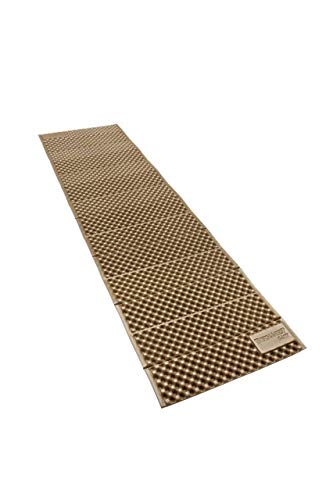
The Z Lite Original is a lightweight, compact closed-cell foam mat known for durability and affordability. Its accordion-style construction folds for easy packing, and the pad is designed to trap heat via dimples in the padding. It is best for hikers who need a dependable, low-profile base for rest in variable terrain. This pad is best for warm or mild conditions where a simple insulation layer is enough, and avoid it if you require high R-values for extremely cold nights.
Therm-a-Rest RidgeRest Classic Camping Pad

The RidgeRest Classic is a budget-friendly, classic closed-cell option with supportive peaks and heat-trapping valleys, delivering reliable insulation for most camping nights. Its R-Value around 2.0 makes it suitable for moderate cold, while its lightweight build suits backpackers who want a simple, rugged pad. Choose this if you want a straightforward, proven pad without extra frills, and avoid if you need top-tier insulation for extreme cold or extra cushioning.
Stansport Pack Lite Camping & Backpacking Sleeping Pad
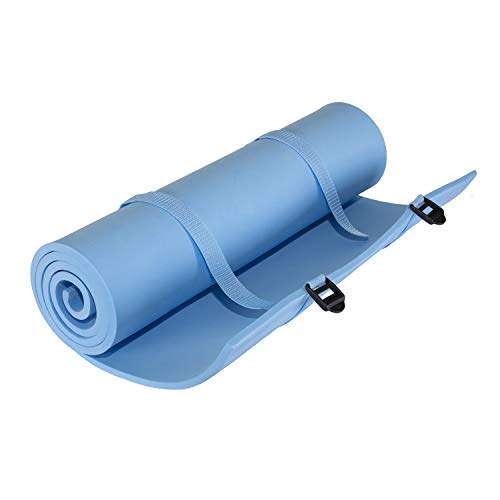
The Pack Lite is a lightweight closed-cell mat designed for roll-up portability, making it a practical option for hikers who value compact packing. It helps keep cold and dampness away from the body and fits well for solo trips on variable terrain. It’s best for casual hikers who want a straightforward, durable pad; consider its simpler design if you require additional insulation for extreme cold conditions.
Wakeman 1.25-Inch Foam Sleeping Pad

The Wakeman 1.25-Inch pad offers thicker cushioning than standard closed-cell mats, improving comfort on uneven ground. It features a non-slip surface and waterproof top layer, making it suitable for family camping or car camping where weight is less critical but portability remains important. Best for campers who want extra comfort without heavy gear; it may be heavier than ultra-light options, which could be a limitation for long-distance backpackers.
Ultralight Fitply Closed-Cell Foam Sleeping Pad

This ultralight pad uses XPE foam with heat-reflective aluminum film, delivering strong insulation for a lightweight footprint. Its ergonomic design includes raised nodes for added back support, and the pad nests with itself for compact storage. It’s best for minimalist backpackers who prioritize weight and packability; note that higher insulation often comes with trade-offs in thickness and comfort for some sleepers.
Buying Guide
What should you consider when choosing a closed-cell camping mat?
- Insulation and warmth: Look for R-values around 2.0–2.1 for general camping in cool nights. Higher values help in colder environments.
- Weight and packability: For backpacking, lighter mats that fold or roll compactly save space and energy.
- Comfort vs. ruggedness: Thicker pads or those with raised nodes provide more comfort but may add weight; choose based on terrain and personal comfort needs.
- Durability and waterproofing: Closed-cell foam is inherently durable and water-resistant, suitable for damp ground and rough use.
- Maintenance: Simple cleaning and quick drying help extend mat life in outdoor conditions.
Practical buying considerations
- For ultralight hikers: Prioritize ultra-light mats like the Fitply or Z Lite Originals that offer a compact profile with solid warmth.
- For family or car camping: Heavier, thicker options like Wakeman 1.25-Inch can add comfort without concern for hauls.
- For budget-conscious campers: Classic Therm-a-Rest RidgeRest or Stansport Pack Lite provide reliable insulation at lower cost.
- Storage and portability: Check folded dimensions to ensure your pack or vehicle storage accommodates the mat.
Frequently Asked Questions
- What is an insulation rating (R-value) and why does it matter? It measures the mat’s ability to resist heat flow. Higher values indicate better warmth, important for cold nights.
- Are closed-cell foam mats waterproof? Yes. They resist water and dry quickly, reducing ground moisture transfer.
- Can closed-cell mats be used on cots or elevated platforms? Yes, they work well on cots or uneven ground by providing a stable base and warmth.
- How do I store a folded closed-cell mat? Keep it rolled or folded as designed by the manufacturer to maintain shape and longevity.
- Which mat is best for ultra-light backpacking? Ultra-light options like the Fitply or Z Lite Original are ideal for weight-conscious hikers.
- Do thicker mats always mean more comfort? Not always; comfort depends on pad design and sleeper preference, plus the terrain you’re on.