When choosing a rectangular cold-weather sleeping bag, look for ample width, reliable insulation, and durability for wet or windy nights. The top picks below are designed for adults who want room to move while staying warm in temperatures from near-freezing to chilly nights. This guide highlights five rectangular- or semi-rectangular-style bags that balance warmth, space, and value. Ideal buyers include casual campers who prioritize comfort, tall sleepers who need extra length, and hikers who want a roomy interior without sacrificing insulation.
| Product | Best For | Temperature Range | Shape |
|---|---|---|---|
| Coleman Heritage Big & Tall 10°F Flannel Sleeping Bag | Tall adults up to 6’7″ | About 10°F limit | Rectangular |
| HiZYNICE Sleeping Bags for Adults Cold Weather | Big & Tall sleepers | 0°F limit, Comfort 30°F | Rectangular/Loose Semi-Rectangular |
| FARLAND Sleeping Bag for Adults | Winter camping and outdoor travel | 32°F to 50°F comfort, 14°F limit | Rectangular |
| Atarashi 3-4 Season Sleeping Bag | Outdoor adventurers needing room | 32-77°F | Semi-Rectangular |
| QEZER Down Sleeping Bag for Adults | Lightweight backpackers seeking warmth | 41-54°F comfort, 28°F limit | Semi-Rectangular |
Coleman Heritage Big & Tall 10°F Flannel Sleeping Bag
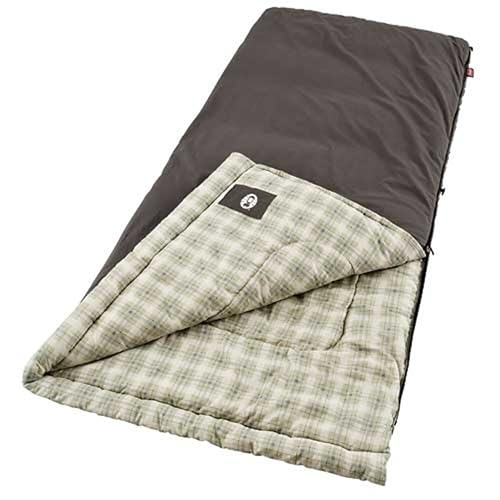
This large Coleman sleeping bag is designed for adults up to 6’5″ and features a 40″ x 84″ interior. It uses Holofill 808 insulation to help retain body heat in cold conditions, aiming to perform well down to 10°F. The design includes a no-snag patented zipper and FiberLock insulation to minimize shifting during movement. Best for tall campers who want extra width and a cozy feel in cold weather. Caution: size may be too long or bulky for compact backpacking or smaller tents.
Coleman Brazos 20/30°F Adult Cool-Weather Sleeping Bag

Designed for cool-to-mild nights, the Brazos bag is suited for campers up to 5’11” and features Thermolock draft tube along the zipper to reduce heat loss. It’s a practical choice for individuals who want a dependable rectangular bag in 20–30°F conditions. Best for average-height campers who value a streamlined, easy-care bag. Limitation: not ideal for taller users over 6 feet, due to length constraints.
FARLAND Sleeping Bag for Adults

This Farland bag emphasizes a water-resistant, windproof outer shell with a micro-plush fleece lining. It’s designed to keep warmth in across a range of cold-weather conditions, with a fill that aims to minimize heat loss. Best for users who want reliable warmth with a plush interior for winter and shoulder-season camping. Caution: the bag’s overall profile is somewhat bulky for ultralight backpacking.
Atarashi 3-4 Season Sleeping Bag

Atarashi offers a semi-rectangular design with a roomy cut suitable for side sleepers. It’s rated for 32–77°F, making it versatile for spring, fall, and mild winter camping. The bag features a DWR-treated nylon shell and a full-length draft tube for temperature regulation. Best for campers who want extra elbow and knee space without going fully rectangular. Limitation: the warmth may be insufficient in extreme cold without a liner or additional layering.
QEZER Down Sleeping Bag for Adults

QEZER uses 600-fill-power duck down to deliver warmth in an ultralight, semi-rectangular bag. It targets comfort around 41–54°F with a limit near 28°F, making it suitable for backpackers who want a compact, warm option. Best for hikers who prioritize low weight and pack size. Caution: down fill can lose loft if packed tightly for long periods; ensure proper loft on setup.
Buying Guide
Key considerations when choosing a cold-weather rectangular sleeping bag:
- Insulation type and warmth rating: Look for synthetic or down fill with a clear temperature range. Rectangular shapes typically balance space with warmth, but you may need a liner for very cold nights.
- Size and fit: Long or extra-long options are essential for taller sleepers. Width also influences comfort if you move around at night.
- Shell material and water resistance: A durable exterior with some water resistance helps protect against dew, rain, and damp ground.
- Ventilation and zippers: Zippers that allow side and bottom ventilation improve comfort when temperatures fluctuate.
- Care and maintenance: Machine-washable bags are convenient for families or frequent campers. Drying time can vary by insulation type.
- Weight and packability: Backpackers should prioritize lighter, more compact designs, even if it means trading some warmth.
Temperature and usage scenarios
Choose based on typical overnight conditions. If you expect near-freezing nights, favor bags rated around or below 10–20°F and consider a liner or sleeping pad with good insulation from below. For three-season use, semi-rectangular models can provide extra room and comfort without excessive bulk. Always pair your bag with a closed-cell or inflatable pad to optimize warmth and comfort.
Shape considerations
Rectangular bags excel in comfort and space. Semi-rectangular designs offer a middle ground, delivering extra room while maintaining heat-retaining seams. If you sleep on your side or like to shift positions, aim for semi-rectangular or true rectangular shapes for unrestricted movement.
Care tips
Follow manufacturer guidance for cleaning. Use a front-loading washing machine if available, and air-dry to protect loft in down-filled bags. Store loosely in a cool, dry place to maintain insulation efficiency.
FAQ
- What is the difference between rectangular and semi-rectangular sleeping bags? Rectangular bags offer maximum interior space, ideal for comfort and movement. Semi-rectangular bags taper toward the feet, saving weight and bulk while retaining warmth.
- Which bag is best for tall sleepers? The Coleman Heritage Big & Tall and HiZYNICE options provide extra length suited for taller users, delivering more room without compromising warmth.
- Can these bags be machine washed? Several listed bags advertise machine-washable functionality, but always check the care label and manufacturer instructions before washing.
- What should I pair with a cold-weather sleeping bag? Use a well-insulated sleeping pad to reduce heat loss to the ground and a moisture-wicking base layer to stay dry and warm.
- Are down-filled bags better than synthetic for cold weather? Down offers higher warmth-to-weight but requires careful care to maintain loft. Synthetic fills are typically more resistant to moisture and easier to care for.
- How do I choose the right temperature rating? Pick a bag rated for a few degrees below your typical coldest expected night. Consider layering with a liner for extra warmth in harsher conditions.