When camping in cold weather, the right sleeping pad matters as much as a proper sleeping bag. This guide highlights five top options that balance warmth, durability, and packability for American hikers and campers. Each product is chosen for cold-weather performance, insulation, and comfort, with clear notes on who it’s best for and any limitations to consider.
Summary of chosen products:
| Product | R-Value / Warmth Note | Best For | Notes |
|---|---|---|---|
| Hikenture Sleeping Pad | R-Value 6.2 | Extreme cold sleepers, multi-season camping | Reflective aluminum film; 3.2″ thick; lightweight |
| OGERY Self-Inflating Sleeping Pad | R-Value not stated; 3″ foam core | All sleepers seeking stable support and easy setup | Built-in foot pump; foam-and-air hybrid |
| Trekology Insulated Pad (4″ thick) | R-Value 5.5 | All-season hikers needing width and comfort | 4″ loft; wide rectangular design |
| Olaterior 7.2 R-Value Pad | R-Value 7.2 | Colder environments; winter backpacking | 3.9″ thick; inflatable with pump sack |
| MOBI GARDEN Gennye Pad | R-Value 6.5 | 4-season expeditions; extra warmth | Double-chamber design; 26″ wide |
Hikenture Sleeping Pad with R-Value 6.2
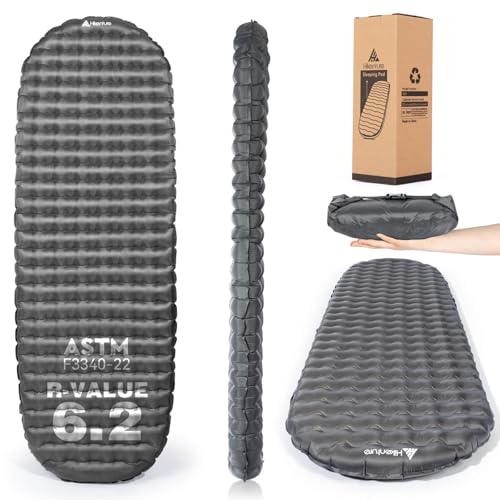
The Hikenture pad offers exceptional insulation with an ASTM 6.2 R-Value, designed to reflect body heat using aluminum film construction. This makes it a strong choice for extreme cold sleepers who still want lightweight gear. Its 3.2-inch thickness helps prevent bottoming out, providing comfortable support whether you’re sitting or lying down. At about 1.53 pounds, it is a portable option for hikers who prioritize warmth without bulk.
Who it’s best for: campers facing very cold nights who need high insulation without a heavy carry. Why selected: the high R-Value and reflective heat technology address cold ground exposure effectively. Limitation: the setup can require careful inflation to maximize loft and warmth.
OGERY Self-Inflating Pad With Built-In Foot Pump

OGERY combines a 3-inch foam core with an air-and-foam hybrid structure for stable, even support across sleeping positions. The built-in foot pump makes setup quick, allowing campers to fine-tune firmness without mouth blowing or separate pumps. Durable, abrasion-resistant fabric and a non-slip base help keep the pad in place on tent floors and car camping surfaces.
Who it’s best for: campers who want reliable support with easy inflation and a quiet, stable feel. Why selected: the foam core reduces “bouncy” sensation common to air pads, and the foot pump adds convenience. Limitation: exact R-Value isn’t specified, so warmth may depend on other layers or ground conditions.
Therm-a-Rest Z Lite Original
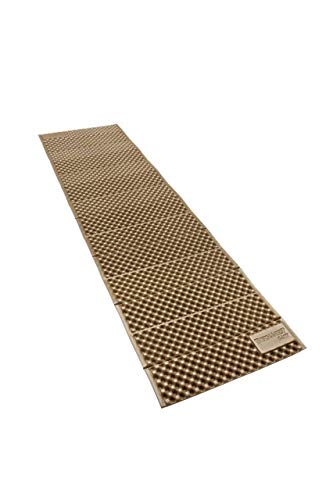
This classic closed-cell foam pad is lightweight, durable, and economical. Its accordion fold design makes it compact for packing, and its dimples help trap heat to provide warmth in cold conditions. With an R-Value around 1.7, it serves as a reliable base layer for milder cold or as a backup pad in colder setups when paired with a warmer sleeping bag.
Who it’s best for: minimalist hikers who value rugged, maintenance-free warmth and a low-cost option. Why selected: proven durability and portability. Limitation: relatively low R-Value means it’s not ideal for very cold ground on its own.
Trekology Insulated Sleeping Pad (4″ Loft)

And a strong choice for cold sleepers, this Trekology pad features SGS-certified R-Value of 5.5 and a generous 4-inch loft. The 75″x25″ rectangular design reduces the risk of sliding off and supports side sleepers with ample width. Heat-reflective layers help block ground chill for dependable all-season performance.
Who it’s best for: hikers who want a spacious, pillow-soft feel without sacrificing warmth. Why selected: its high R-Value and wide, stable design suit cold-ground camping. Limitation: bulkier than ultralight options when packed for backpacking.
MOBI GARDEN Gennye Insulated Pad

The Gennye pad uses a high R-Value around 6.5 and a double-chamber design to provide redundancy in insulation. Its wide 26-inch platform offers extra space for broader sleepers or those who move a lot at night. The combination of Mylar reflective layers and dense insulation cotton helps trap heat in very cold environments.
Who it’s best for: serious cold-weather trekkers who require extra warmth and a wider sleeping surface. Why selected: excellent insulation (R-Value 6.5) and a safety feature with a dual-chamber design. Limitation: heavier and bulkier than ultralight options, which could affect backpacking practicality.
Buying Guide: Key Considerations For Cold Weather Pads
Insulation value matters most in cold weather. Look for R-Value measurements from credible standards like ASTM. Balance warmth with weight and packed size to fit your trip length and mode of travel.
- R-Value and warmth: Higher values generally improve cold tolerance. Consider your typical minimum sleeping temperature when selecting a pad.
- Pad type: Foam pads are durable and low-maintenance but heavier. Self-inflating and inflatable pads offer comfort and adjustability but may require care to prevent leaks.
- Thickness and support: Thicker pads reduce bottoming out and improve comfort for side sleepers. Side sleepers may benefit from loft around 4 inches or more.
- Width and length: Wider pads reduce the chance of rolling off. Length should accommodate your height with some extra space for movement.
- Durability and puncture resistance: Consider fabrics, coatings, and multi-layer designs for rugged terrain. Look for dual-chamber or redundancy features if you expect rough conditions.
- Packability: If you hike long distances, weight and bulk matter. Some pads compress smaller than others, even at high insulation.
- Setup and adjustments: Built-in pumps or easy inflation mechanisms save time and effort after a long day outside.
Frequently Asked Questions
- What R-Value is best for winter camping?
For winter- camping in snow or freezing ground, aim for R-Value 5.5 or higher to ensure sufficient warmth, with higher values like 6.0–7.5 preferred for extreme cold.
- Is a wider sleeping pad worth it?
Yes, wider pads reduce the chance of rolling off and can improve comfort for large sleepers or those who move a lot at night.
- Can I use a foam pad with a sleeping bag in cold weather?
Yes, foam pads provide durable insulation and can be used as a base layer under a more comfortable inflatable pad in very cold conditions.
- Do I need a built-in pump?
A built-in pump speeds setup and helps achieve a consistent firmness without mouth inflation, which is advantageous after a long day outdoors.
- What should I consider beyond warmth?
Durability, weight, packability, and the likelihood of punctures or leaks are critical when choosing pads for rough or remote environments.
- Are inflatable pads safer than foam pads in cold weather?
Inflatable pads can provide superior comfort and warmth when properly inflated but require care to prevent punctures; foam pads are more rugged but heavier.