Searching for a composting toilet for a van? This guide highlights five top options that maximize space, minimize odor, and simplify off-grid living. Best for compact van builds, the OGO Origin and NOMAD models suit 12V fans and urine-diverting designs, while the Nature’s Head and Cuddy offer more traditional, self-contained setups. TROBOLO WandaGO provides a portable alternative for temporary campsites. The table below helps compare core traits to match your van’s layout and power access.
| Product | Urine-Diverting | Portable | Self-Contained | Self-Contained | Portable |
|---|---|---|---|---|---|
| Use Case | Built-in, van-ready | Adventures and remote spots | Small spaces with odor control | RVs, vans, boats | Temporary setups |
| Power | 12V motor | No power required | 12V fan | Electric-free | None |
| Odor Control | Urine separation reduces smell | Natural separation design | No odor with proper use | No chemicals or black tank | Odor control via evaporation |
OGO Origin Urine-Diverting Composting Toilet

Best for: Sprinter and Transit van builds where space is paramount. The smallest footprint (15″x16″) fits tight corners, leaving more legroom and a clean, modern layout. The 12V electric agitator eliminates manual cranking, streamlining daily use. The urine-diverting system keeps liquids separate to reduce odors and simplify storage. Ideal for owners who want a near-traditional toilet experience with minimal space impact.
Why chosen: Compact design, electric agitation, and a proven urine-separation method. It is a strong choice when space is the sole constraint and a more permanent, built-in solution is preferred. Consider this if you have a dedicated van bathroom corner that demands a tidy, modern appliance look.
Limitation: Requires 12V power; installation may need space planning for the rear solids bin and the liquid bottle.
OGO NOMAD Portable Composting Toilet
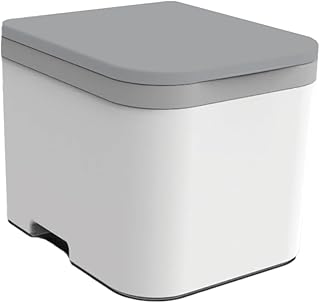
Best for: Outdoor adventurers and truck campers who need a simple, power-free solution. No wiring or plumbing required makes NOMAD ideal for remote campsites, tiny shelters, or rental vans. It’s compact and easy to transport, with a robust urine-diverting design to curb odors without chemicals.
Why chosen: Lightweight, portable, and affordable for off-grid use. Choose this if you want a straightforward, no-fuss unit for frequent relocations or for guests in an off-grid setup.
Limitation: Not a fixed install; best for temporary or seasonal van setups rather than a full-time built-in bathroom.
Nature’s Head Self Contained Composting Toilet

Best for: Small spaces where odor control and maintenance are critical. Nature’s Head is known for its robust construction and straightforward installation for cabin, van, or boat bathrooms. A close-quarters design helps maximize usable area while maintaining reliable performance.
Why chosen: High emphasis on odor control and a simplified maintenance profile. Appropriate for buyers who want predictable performance and a widely recognized design in compact self-contained units.
Limitation: Can be heavier and may require more extensive mounting and venting considerations than truly portable options.
Cuddy Composting Toilet

Best for: Those seeking a complete, odor-conscious, waterless option for vans, boats, or tiny homes. The 3.9 gallon capacity and integrated 12V fan support ease daily use and maintenance in tight spaces. The unit’s no-chemicals approach aligns with low-maintenance off-grid setups.
Why chosen: A balanced blend of compact size, effective odor control, and easy cleaning. Good for buyers who want a more traditional, cabinet-compatible composting toilet with reliable performance.
Limitation: Installation may require specific mounting space and venting considerations for optimal operation.
TROBOLO WandaGO Portable
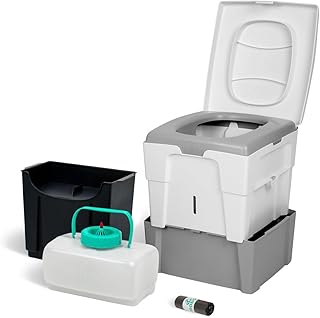
Best for: Van owners who want a flexible, surface-mitting option for occasional use or temporary setups. WandaGO emphasizes portability and ease of deployment, making it ideal for campers who switch vehicles or travel with minimal built-in fixtures.
Why chosen: A practical, compact, no-install solution for adventurers who prefer a temporary or modular approach to composting toilets. It provides urine-diverting benefits in a portable format.
Limitation: Not designed as a fixed bathroom component; best used where a portable solution is acceptable.
Buying Guide: Key Considerations For Choosing A Van Composting Toilet
What matters most when selecting a van composting toilet? Power needs, space, waste handling, and odor control top the list. For built-in vans with limited footprint, urine-diverting models like the OGO Origin can dramatically reduce odors and tank volume. If you prefer a free-standing or temporary setup, NOMAD’s portability and simple deployment shine. For those prioritizing odor control and a proven self-contained unit, Nature’s Head offers a robust option. Consider your power accessibility, daily use, and how you plan to vent or store waste.
Choosing by usage pattern:
- Frequent, permanent install in a small van: OGO Origin or Nature’s Head depending on venting ability and space.
- Temporary or seasonal van work: NOMAD or WandaGO for easy transport and setup.
- Boats or ultra-tiny spaces: compact, self-contained models with efficient odor management.
Installation and maintenance tips:
- Plan for venting where applicable to maximize odor control.
- Ensure the waste bin capacity aligns with your travel range to avoid frequent emptying.
- Test fit in your van’s bathroom area before committing to a permanent installation.
FAQ
- What is a urine-diverting toilet? It separates liquids from solids to reduce odors and simplify waste storage.
- Do these toilets require power? Some use 12V fans or electric agitators; others are manual or entirely portable without wiring.
- Is venting always necessary? Not always, but venting improves odor control in closed spaces.
- Can I install these myself? Most models are designed for DIY installation, but some may require professional mounting for best results.
- Which is best for a tiny van? A compact urine-diverting model like OGO Origin offers strong space efficiency and odor control.
- What maintenance is typical? Regular emptying, cleaning, and verifying seals and fans are functioning properly.